
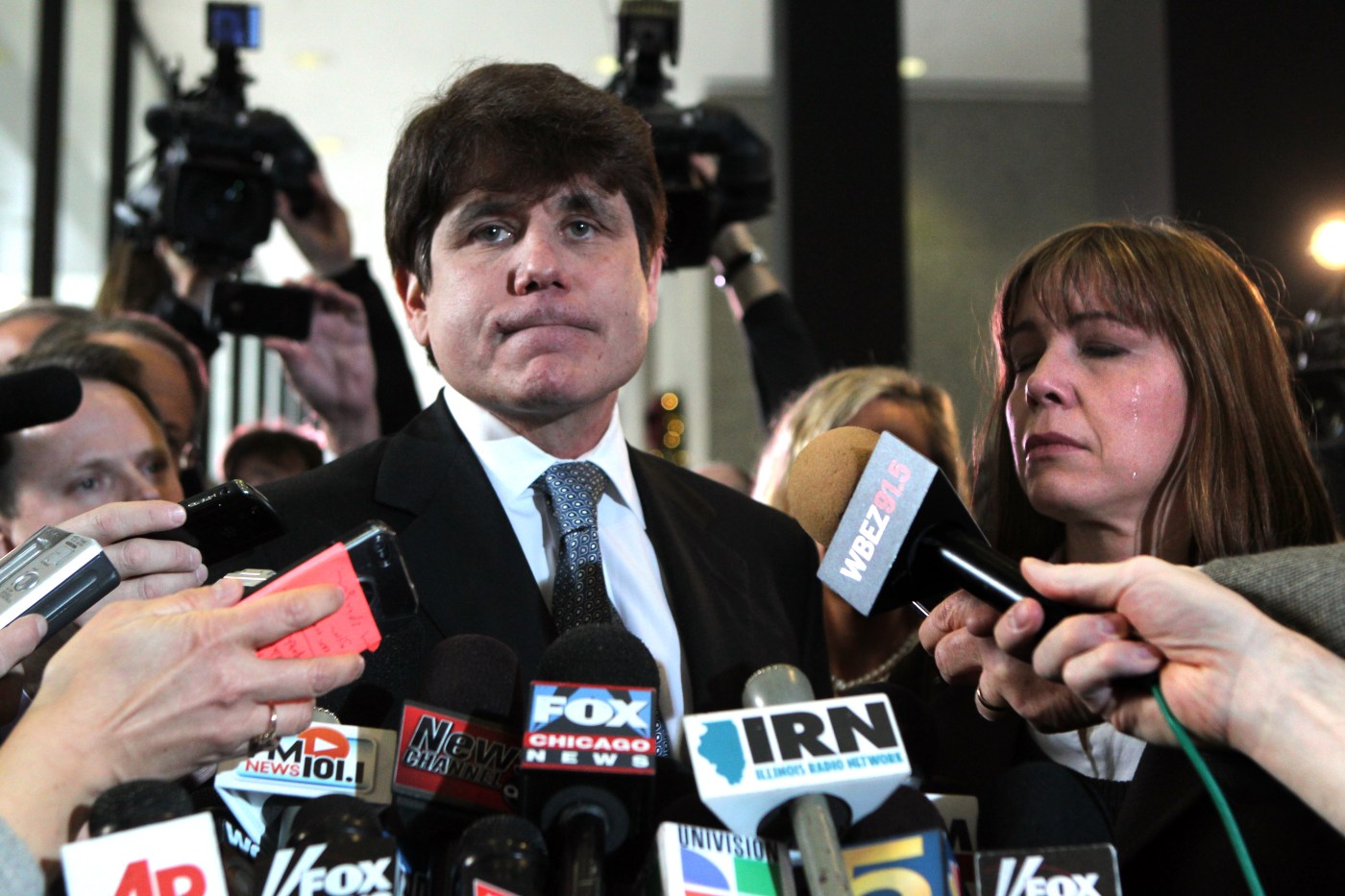
UPDATE: Former Illinois Governor Rod Blagojevich was sentenced to 14 years in federal prison on December 7, 2011, marking a significant moment in Chicago’s history of public corruption. This ruling represents the second-longest sentence ever handed down in a federal court in Chicago for corruption-related offenses.
Blagojevich was found guilty of attempting to sell or trade the U.S. Senate seat vacated by President Barack Obama in 2008. His actions shocked the nation and highlighted the pervasive corruption in Illinois politics. The sentencing occurred at a time when the public demanded accountability from elected officials, and Blagojevich’s fall from grace resonated deeply within the community.
The case drew significant media attention, leading to widespread discussions about ethics and integrity in government. Blagojevich’s sentence reflects the serious consequences of corruption, sending a clear message that such behavior will not be tolerated.
While serving his sentence, Blagojevich maintained his innocence and sought clemency. In a surprising twist, President Donald Trump commuted his sentence on February 18, 2020, reducing it to about eight years served. This controversial decision reignited discussions about the implications of political favors and the justice system.
In the broader context, the December 7 date is not only marked by Blagojevich’s sentencing but also by various historical events in Chicago. On this day in 1956, a fire on a CTA train resulted in one fatality and several injuries, and in 1966, a train derailment killed two people near 40th Street and Indiana Avenue. These incidents remind us of the city’s tumultuous past and the ongoing challenges faced by its public transportation system.
As we reflect on Blagojevich’s case, it serves as a powerful reminder of the need for transparency and integrity in government. The implications of his actions continue to influence public perception of political leaders in Chicago and beyond.
Moving forward, observers will be keen to see how this case impacts future legislation aimed at combating corruption and promoting ethical governance. The legacy of Rod Blagojevich is a cautionary tale that underscores the importance of accountability in public office.
For more updates on this developing story and other significant events in Chicago history, follow our channels for real-time information and analysis.