
A child in Riverside County, California, has tested positive for measles, marking the first confirmed case of the virus in the county for 2026. Public health officials report that the child is currently recovering at home and was not vaccinated against the disease. Notably, the child has no recent history of travel outside the state or internationally.
The Riverside University Health System – Public Health confirmed that this case adds to a concerning trend in Southern California, where neighboring counties such as Orange, Los Angeles, and San Bernardino have also reported recent measles cases.
Public Health Response and Recommendations
In light of this development, Riverside County Public Health Officer Dr. Jennifer Chevinsky emphasized the growing risk of measles in the area. “As we see growing reports of measles from our neighboring counties, the risk of measles is no longer remote,” she stated. “It’s now also impacting us here in our own county, even among those with no recent international or out-of-state travel. The importance of timely vaccination is clear.”
Public health officials recommend that children receive one dose of the Measles, Mumps, and Rubella (MMR) vaccine at 12 months of age, followed by a second dose between ages 4 and 6. For children traveling internationally, a dose may be administered as early as six months of age.
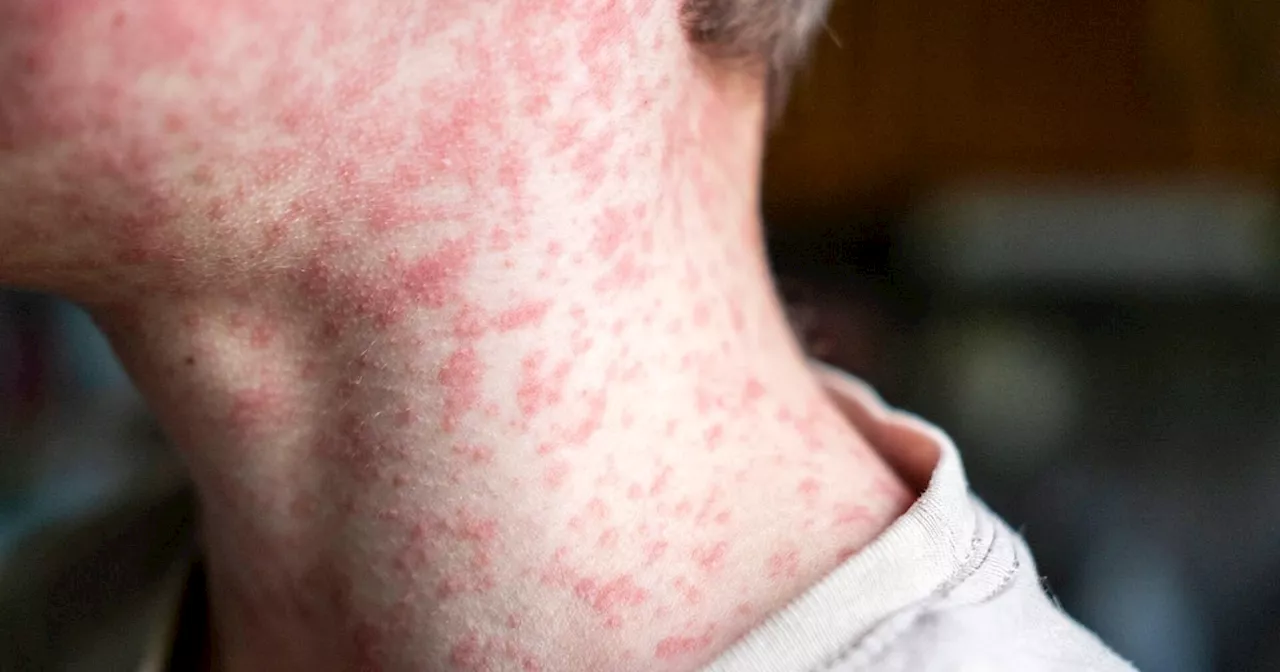
Measles symptoms typically manifest between seven and 21 days after exposure. Initial symptoms include fever, cough, red eyes, and a runny nose, followed by a distinctive rash that starts on the face and spreads across the body. The virus is highly contagious, spreading through the air via coughs, sneezes, or even when an infected person speaks.
Protecting Vulnerable Populations
To mitigate the risk of transmission, public health authorities stress the importance of early identification of symptoms and staying home while ill. This approach is crucial for protecting vulnerable groups, including infants under six months who are too young to be vaccinated, pregnant women at risk for severe disease, and individuals with compromised immune systems.
For more information on vaccination schedules and the importance of immunization, residents can visit local health department resources. Public health officials continue to monitor the situation closely and encourage all eligible individuals to stay updated on their vaccinations.