
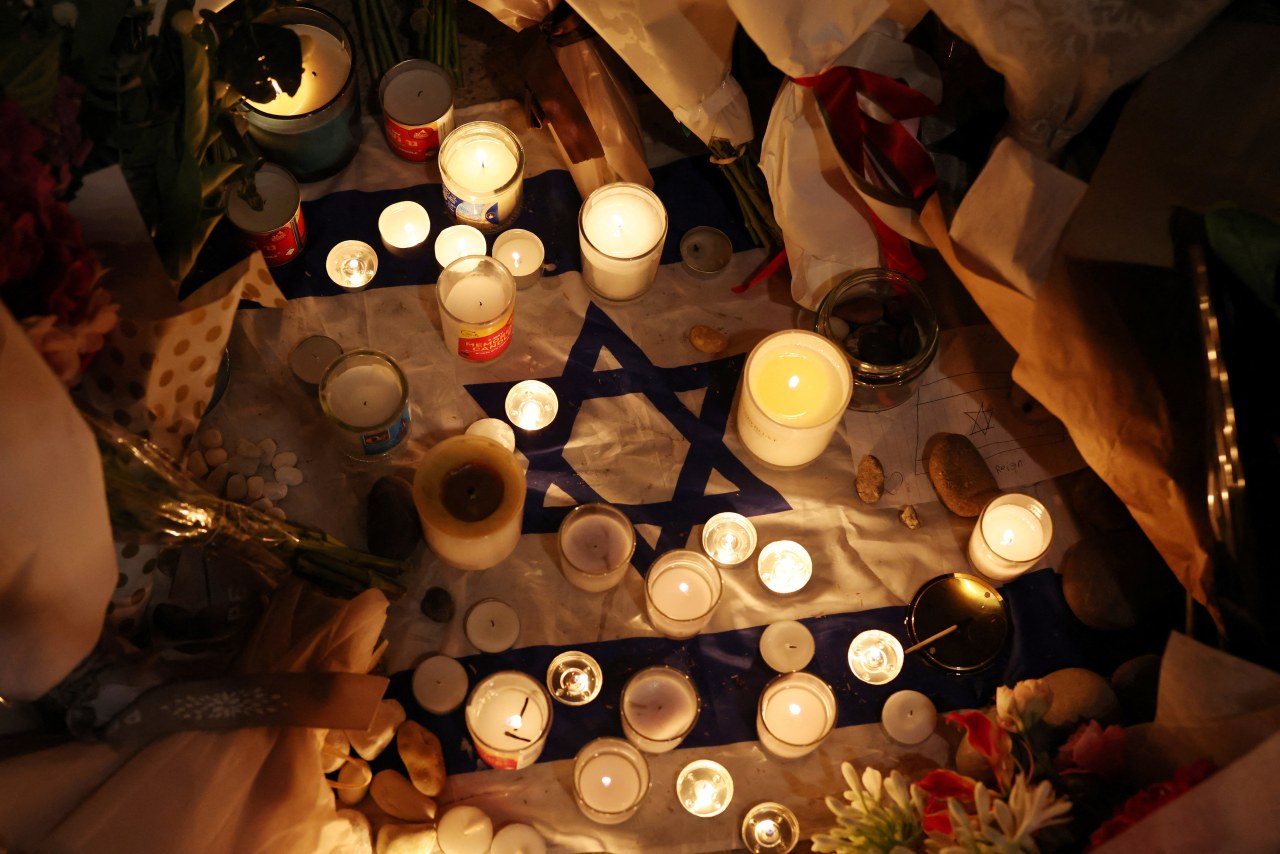
Violent antisemitism has surged in Australia following recent protests that have drawn significant attention, particularly in areas like Bondi Beach. Demonstrators, some of whom have expressed solidarity with Hamas, have faced backlash from various communities, particularly those within the Jewish population. The situation has escalated tensions, leading to a national discussion about the implications of such protests and their connection to rising antisemitic sentiments.
In October 2023, protests erupted across major Australian cities, with demonstrators calling for a “globalization of the Intifada,” a term that has raised alarm among many. Critics argue that this rhetoric not only incites violence but also contributes to a broader atmosphere of hostility towards Jewish communities. As a result, reports of antisemitic incidents have spiked, with organizations such as the Executive Council of Australian Jewry noting a marked increase in hate speech and physical assaults.
The protests, while centered on political grievances related to the Israeli-Palestinian conflict, have become intertwined with expressions of antisemitism that many find unacceptable. According to the Australian police, there has been a notable rise in reported incidents, with at least 50 cases of antisemitic behavior logged since the protests began. This rise has prompted condemnation from various political leaders and civil rights organizations, who have called for a unified stance against hate speech.
Hamas has long been a controversial figure in discussions about the Israeli-Palestinian conflict. In recent years, some leftist groups have expressed solidarity with the organization, viewing it as a legitimate resistance movement. However, this has led to growing concerns regarding the normalization of antisemitic rhetoric in political discourse. The implications of such sentiments are profound, particularly for Jewish communities already grappling with the impact of global antisemitism.
Organizations representing Jewish interests, such as the Australian Jewish Association, have voiced their concerns, stating that the conflation of criticism of Israel with antisemitism is damaging. They emphasize the need for clear distinctions in political discussions to prevent further alienation of the Jewish community. Statements from community leaders have called for solidarity among all Australians against hate, urging a return to civil discourse.
As the protests continue, the dialogue surrounding freedom of speech and the limits of political expression remains contentious. Many argue that while peaceful demonstration is a fundamental right, it should not come at the cost of inciting hatred against specific groups. The Australian government has been urged to take a firmer stance against antisemitism, with calls for stronger policies to protect vulnerable communities.
The situation at Bondi Beach serves as a microcosm of a larger issue facing many nations today: the challenge of balancing free expression with the need to protect communities from hate. As debates unfold, the impact on societal cohesion remains a critical concern.
In light of these developments, it is essential for all stakeholders, including political leaders, community organizations, and citizens, to engage in constructive dialogue. This will help ensure that Australia remains a place where diversity is celebrated and where all individuals, regardless of their background, can feel safe and respected.