
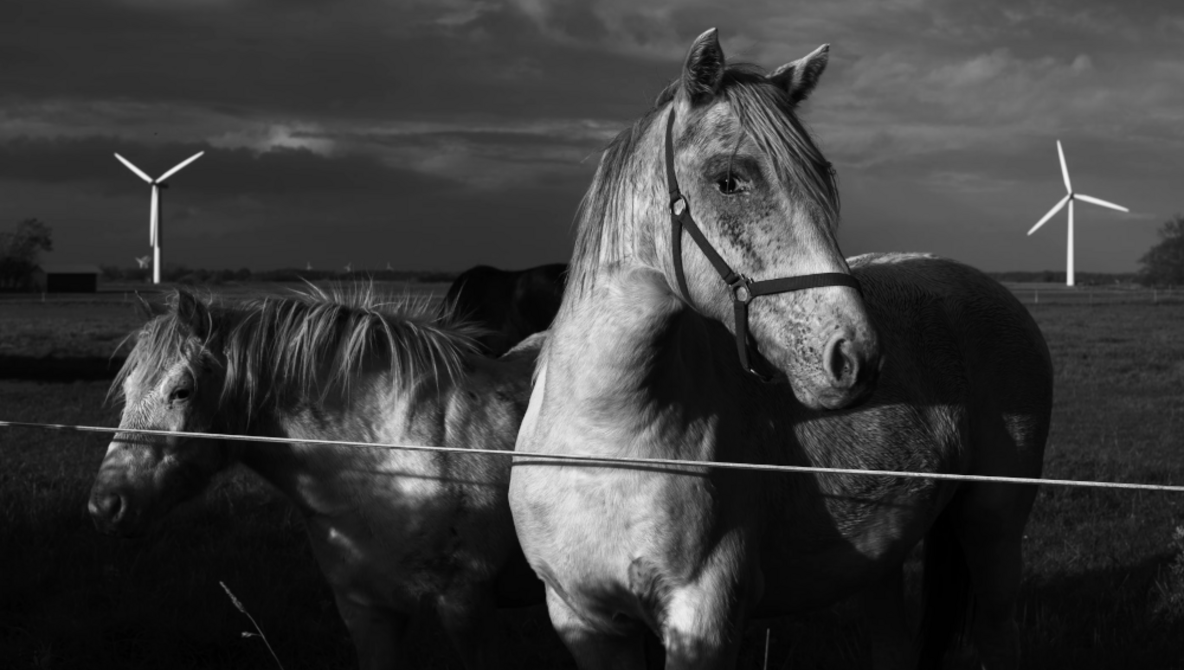
The launch of the Ricoh GR IV Monochrome camera marks a significant advancement in black and white photography. Unlike traditional cameras, this model features a dedicated monochrome sensor, prioritizing the capture of light without color. For photographers who frequently shoot in black and white, this design choice fundamentally alters how they approach exposure, texture, and ISO settings.
In a recent video by photographers Lintaro and Landberg, they delve into the camera’s unique attributes that differentiate it from its predecessors. The video emphasizes the importance of the matte black finish and subtle monochrome styling, which contribute to the camera’s overall handling and aesthetic before any images are captured. The duo highlights a built-in physical red filter within the lens, allowing photographers to achieve classic dark-sky separations without the need for additional filters.
This camera’s design emphasizes a commitment to monochrome photography from the moment of capture. As Landberg notes, this is not about simply setting a mode to monochrome later; it requires a dedicated mindset from the outset. His enthusiasm becomes evident as he discusses how often he relies on a red filter during monochrome shoots, showcasing how integral this feature is to the camera’s function.
The video further explores the camera’s performance at various ISO levels, extending from ISO 160 to a staggering ISO 409,600. This testing phase prompts critical questions about grain acceptance in small APS-C cameras. Rather than a technical analysis, the video focuses on practical implications: do photographers embrace high ISO grain as an artistic element or prefer to add artificial grain in post-processing? Landberg presents this grain as a creative tool, reshaping the narrative around high ISO performance.
In discussing the image quality, Lintaro mentions that previous models displayed a notable difference between JPEG and raw files. However, the GR IV Monochrome narrows that gap considerably, elevating the JPEG output to a level that no longer feels like a compromise. They propose a new workflow where photographers can shoot in raw, conduct in-camera edits, and save the final JPEGs directly to internal storage, shifting away from the traditional reliance on software like Lightroom for post-processing.
In practical testing, Lintaro takes the camera out into heavy snow, demonstrating its resilience and performance in challenging conditions. A moment of flash failure necessitates relying solely on the camera’s sensitivity, underscoring its capability in low-light situations. The handling of the camera is also assessed, with features such as a tighter front dial and more tactile buttons enhancing the overall user experience. Notably, Lintaro drops the camera in the snow yet continues shooting, illustrating its durability.
Beyond technical specifications, the video addresses the broader context of monochrome photography. Lintaro outlines various monochrome styles that connect to the rich history of black and white imagery. There is also speculation about potential firmware updates that could introduce new looks, suggesting that this camera may evolve further over time.
As the video concludes, the pricing of the Ricoh GR IV Monochrome is discussed, alongside the debate about whether a dedicated monochrome sensor is necessary for producing compelling black and white images. This argument encourages photographers to consider their needs and creative preferences rather than simply following trends.
For those interested in a deeper understanding of the GR IV Monochrome’s capabilities, the full video by Lintaro and Landberg provides a comprehensive overview of this innovative camera. The insights shared by Alex Cooke, a Cleveland-based photographer and meteorologist, further enrich the discussion surrounding this unique addition to Ricoh’s lineup, making it a noteworthy option for enthusiasts of black and white photography.