
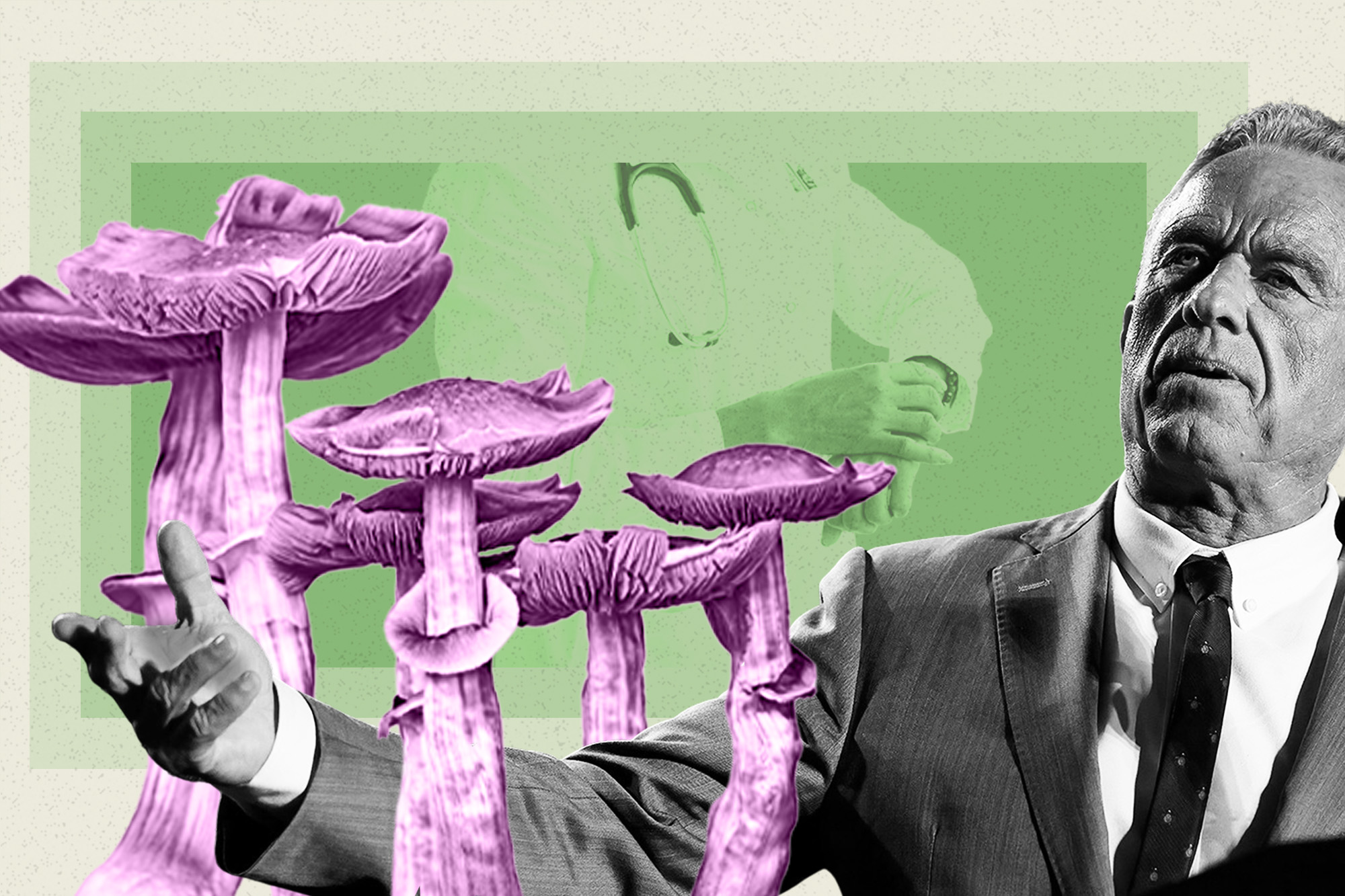
The anticipated revolution in psychedelic medicine, which advocates hoped would gain traction under the leadership of Robert F. Kennedy Jr., has not materialized. As the head of the U.S. Department of Health and Human Services, Kennedy was viewed by many as a pivotal figure capable of ushering in a new era of mental health treatment. However, advocates for psychedelic therapy now find themselves waiting for meaningful change.
Supporters of psychedelic medicine have long championed the potential of substances like psilocybin and MDMA to treat conditions such as depression, anxiety, and PTSD. Following Kennedy’s appointment in 2023, there was a surge of optimism among these advocates. They believed that his position would facilitate the necessary regulatory changes to allow for greater access to these treatments. Yet, nearly a year into his tenure, significant progress has been elusive.
Regulatory Landscape Remains Stagnant
Despite substantial scientific evidence supporting the therapeutic benefits of psychedelics, the U.S. Food and Drug Administration (FDA) has not yet approved these substances for widespread medical use. Current regulations still classify many psychedelic compounds as Schedule I drugs, which severely restricts research and access. This classification is a significant barrier, preventing healthcare providers from incorporating these treatments into mainstream practices.
Advocates had hoped that Kennedy would push for reforms that would allow for more extensive studies and clinical trials. The National Institutes of Health (NIH) has funded some research, but the process remains slow and hampered by bureaucratic challenges. As of now, only a limited number of facilities are authorized to conduct research involving psychedelics, leaving many questions unanswered about their full potential.
One of the most notable studies, conducted at Johns Hopkins University, demonstrated that psilocybin can lead to substantial improvements in patients suffering from major depressive disorder. However, without governmental support for broader application, these findings remain confined to research settings rather than being implemented in healthcare facilities across the country.
Advocacy and Public Opinion
A growing number of public figures, researchers, and mental health advocates continue to campaign for the reform of psychedelic regulations. Initiatives in states like California and New York aim to decriminalize these substances, fostering a more supportive environment for research and therapeutic use. Despite these state-level efforts, the federal government remains a significant barrier to progress.
In March 2023, a coalition of over 100 mental health professionals and advocates sent an open letter to Kennedy, urging him to prioritize psychedelic medicine in his health agenda. They highlighted the urgent need for innovative treatments, especially in light of the ongoing mental health crisis exacerbated by the COVID-19 pandemic.
While public interest in psychedelics has surged, the lack of federal action has left many feeling frustrated and disillusioned. Advocates argue that the current mental health system is inadequate, and they see psychedelics as a crucial part of the solution. Yet, without the necessary regulatory changes, their visions remain unfulfilled.
The promise of psychedelic medicine, once seen as a near-future reality, has now shifted into a waiting game. Advocates continue to push for change, hoping that Kennedy and his administration will recognize the potential benefits these treatments can offer. With the right support and regulatory adjustments, they believe a significant transformation in mental health care could still be within reach.