
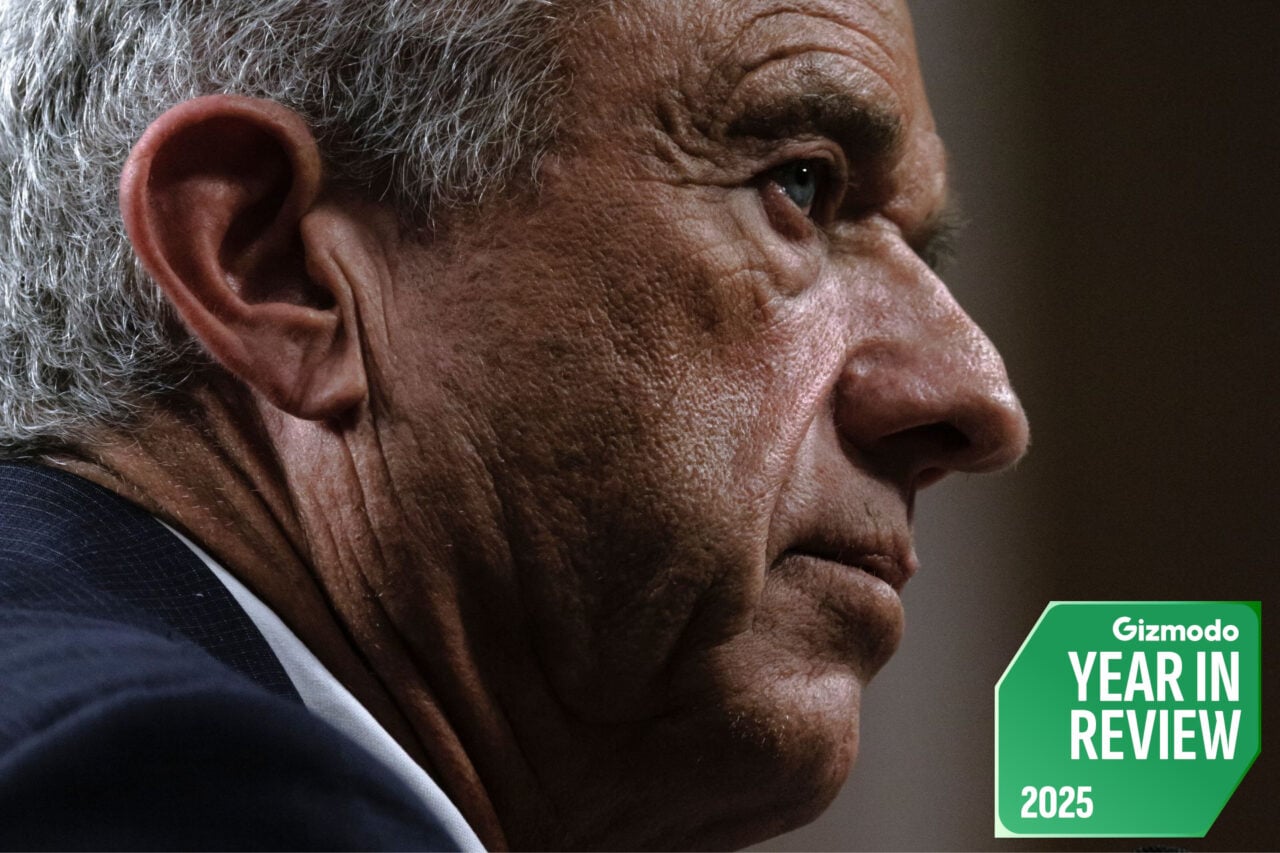
Public health in the United States has faced significant challenges in 2025, largely attributed to the actions of Robert F. Kennedy Jr., the current Secretary of Health and Human Services (HHS). Since his appointment in February, Kennedy has enacted policies that critics argue have weakened the nation’s public health infrastructure and emboldened anti-vaccine movements. This article examines key actions taken by Kennedy and their implications for public health.
Controversial Changes in Vaccine Policy
In June 2025, Kennedy made headlines by dismissing all 17 members of the Advisory Committee on Immunization Practices (ACIP), the panel responsible for guiding vaccine policy in the U.S. He subsequently appointed individuals aligned with his anti-vaccine beliefs, many of whom have previously misrepresented vaccine safety or have financial ties to anti-vaccine advocacy. This new ACIP has since advocated for the weakening or elimination of several vaccines, including a significant vote to overturn the longstanding recommendation for infants to receive the hepatitis B vaccine at birth. This decision, which has historically contributed to a dramatic decrease in hepatitis B cases, raises concerns about the resurgence of vaccine-preventable diseases among children.
The impact of this policy shift could be far-reaching, as numerous health organizations and medical professionals express their intent to disregard these new recommendations. Nevertheless, the potential exposure of children to diseases like hepatitis B could increase as a direct consequence of these changes.
Challenges Faced by the CDC
Kennedy’s influence has also extended to the Centers for Disease Control and Prevention (CDC), leading to significant changes within the agency. In August, he orchestrated the dismissal of former CDC Director Susan Monarez shortly after her appointment, citing her refusal to endorse the new ACIP recommendations without proper review. This dismissal triggered a wave of resignations among senior CDC officials, who voiced concerns over the agency’s direction under Kennedy’s leadership.
Demetre Daskalakis, the former director of the CDC’s National Center for Immunization and Respiratory Diseases, highlighted the severity of the situation, stating, “Federal public health has now been compromised—it has been taken over by ideology.” The CDC’s credibility has come into question as it appears to align more closely with Kennedy’s agenda than with established public health principles.
Funding Cuts and Impact on Research
The administration has implemented extensive funding cuts across various scientific branches, particularly affecting the National Institutes of Health (NIH). Kennedy has approved the termination of billions in federal grants meant for health departments and research organizations, often without full awareness of the implications. For instance, the HHS announced a revocation of nearly $500 million in funding designated for mRNA vaccine research, a move justified by Kennedy through unfounded claims about vaccine safety.
These funding cuts have already disrupted numerous clinical trials, affecting approximately 74,000 patients and stalling the progress of young scientists reliant on federal support.
Resurgence of Measles and Other Diseases
The ramifications of Kennedy’s anti-vaccine stance are becoming evident, with nearly 2,000 reported cases of measles across 47 outbreaks this year—the highest number since the virus was declared eliminated in the U.S. over 25 years ago. The potential loss of the nation’s measles-free status looms large as public health experts worry that inadequate vaccination rates may lead to further outbreaks.
While Kennedy is not solely responsible for this resurgence, his policies and rhetoric have bolstered the anti-vaccination movement, complicating access to vaccines and contributing to the current public health crisis.
Controversial Claims and Public Miscommunication
In September, Kennedy made headlines with claims linking acetaminophen, commonly known as Tylenol, to autism when used during pregnancy. This assertion, reiterated by former President Donald Trump, lacked substantial scientific backing and has been widely criticized by health experts. Despite the scientific consensus supporting acetaminophen’s safety, Kennedy’s administration continues to pursue this narrative, potentially misguiding pregnant women and affecting their health choices.
Kennedy’s approach to public health has drawn scrutiny for its promotion of unverified theories while neglecting significant research into real health issues. For instance, while he advocates for examining links between mass shootings and antidepressants, substantial evidence suggests that the focus should be on more pressing public health factors.
As 2025 progresses, the implications of Kennedy’s policies on public health remain a critical concern. The combination of weakened vaccine protocols, undermined health organizations, and misinformation campaigns presents a daunting challenge for public health advocates striving to protect the well-being of communities across the United States.