
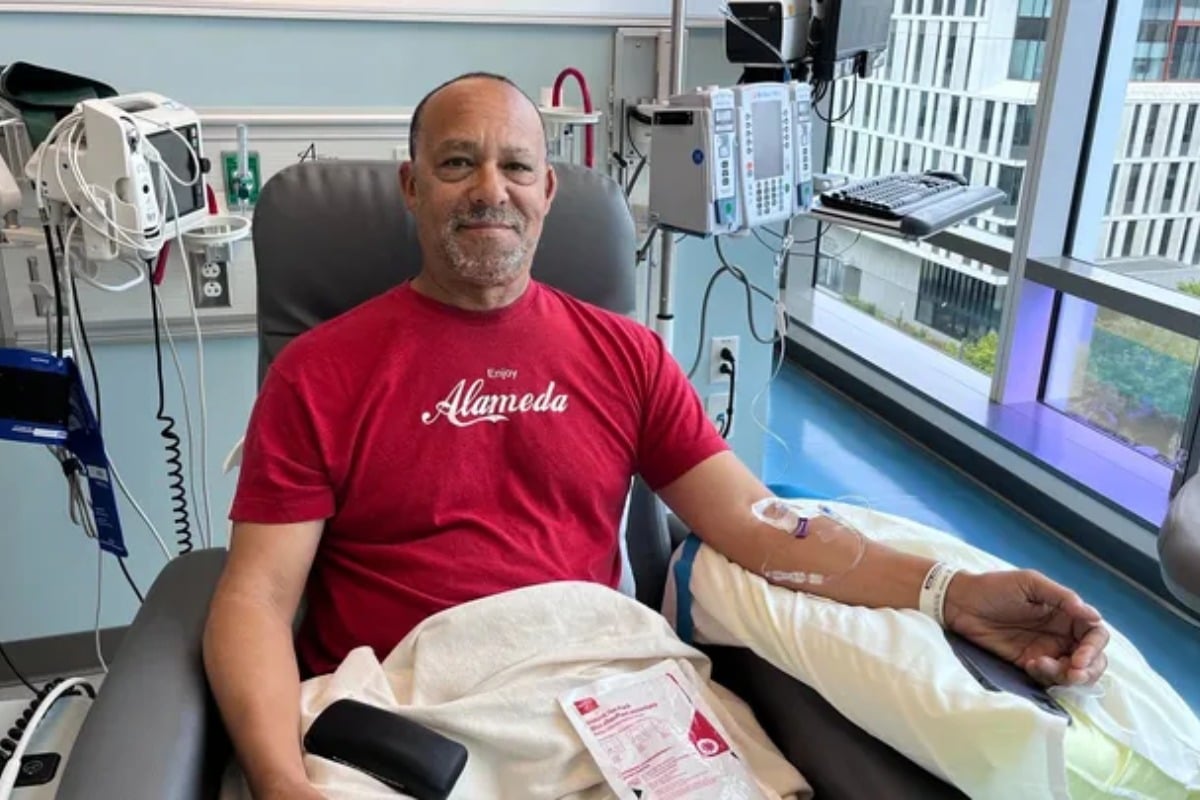
A retired firefighter in San Francisco is fighting not only a terminal illness but also his insurance provider for critical cancer treatment. Ken Jones, 70, diagnosed with stage 4 lung cancer in March 2025, was recently denied coverage for a chemotherapy and immunotherapy regimen recommended by his oncologists at UCSF. This denial, issued by Blue Shield of California, has thrust Jones and his family into a dire situation, forcing them to consider paying approximately $50,000 out of pocket for treatment or watching his health deteriorate.
The news reached Jones just as he stood ready to begin what could be life-saving treatment last Wednesday. The insurer classified the prescribed therapy as “outside the standard course of care,” despite an appeal from his medical team. Jones’s wife, Helen Horvath, a former firefighter herself, expressed her deep concern at a recent health board meeting, stating, “That denial is causing serious harm to Ken’s health and is now threatening his life.”
A Pattern of Coverage Denials
Jones’s case is not an isolated incident. Since the city switched its employee health plan from UnitedHealthcare to Blue Shield in January 2025, numerous retired firefighters have reported similar difficulties in obtaining coverage. Fred Sanchez, a former deputy fire chief and current leader of the nonprofit Protect Our Benefits, highlighted the issue, stating that many elderly retirees simply give up after receiving denials.
This situation has sparked broader concerns about the effectiveness of the city’s choice of insurer. In June, Supervisor Matt Dorsey and City Attorney David Chiu had to intervene in a contract dispute between Blue Shield and UC Health, which threatened to leave thousands of city workers without access to their doctors. Although that situation was resolved by July, the ongoing issues with Jones’s treatment have reignited discussions about the city’s decision to switch insurers.
Legal Protections and Health Risks
California law recognizes the increased health risks firefighters face, particularly concerning cancer. Under California Labor Code Section 3212.1, cancer is presumed to be work-related for firefighters due to their exposure to hazardous materials over decades. The Firefighter Cancer Support Network notes that firefighters have a 9% higher chance of being diagnosed with cancer and a 14% higher risk of dying from it compared to the general population.
Jones’s diagnosis of adenocarcinoma came after years of dedicated service. By the time Blue Shield denied his treatment in January 2026, his oncologist, Dr. Matthew Gubens, had submitted a comprehensive appeal detailing the necessity of his treatment plan. Dr. Gubens expressed shock at the denial, emphasizing the urgency of the situation.
At a recent Health Service Board hearing, Jones remained silent in the back of the room while his daughter, Rachel Jones, spoke passionately on his behalf. “Today I’m forced to stand here and beg because an insurance company decided that profits matter more than the life of a man who spent his career protecting this city,” she said tearfully. The hearing drew significant attention, with several retired firefighters expressing solidarity with Jones.
The emotional testimonies included remarks from former Fire Chief Jeanine Nicholson, a cancer survivor herself, who underscored the unfairness of the situation. “Firefighters, whether active or retired, should never have to beg for their lives,” she stated, highlighting the systemic issues affecting those who have served the public.
Community Support and Official Responses
Faced with the prospect of covering treatment costs themselves, Jones’s family launched a GoFundMe campaign with a goal of $50,000. The campaign quickly reached its target, reflecting the community’s support but also underscoring the shortcomings of the current insurance system.
Blue Shield has refrained from commenting on specific cases, citing privacy laws. A spokesperson remarked, “Blue Shield values our relationship with the City and County of San Francisco and is committed to working closely with the Health Service Board.” Supervisor Dorsey has pledged to hold the insurer accountable, stating that the board will seek answers regarding whether the recent practices signify a decline in service quality.
While the Health Service Board lacks the authority to directly reverse a claim denial, it does oversee health plan contracts, providing a platform to influence Blue Shield’s approach to city employee medical claims.
Jones’s situation highlights a national trend of insurance denials for firefighters suffering from work-related cancers. A 2023 investigation by Public Health Watch revealed that even with laws in place, many cities continue to deny or delay workers’ compensation claims. In Texas, for instance, a significant percentage of cancer claims have faced initial denials, despite strengthened legal protections.
The urgency of Jones’s case is amplified by San Francisco’s recent commitment to firefighter health. Last month, Mayor Daniel Lurie announced a $3.6 million initiative to provide all frontline firefighters with PFAS-free protective gear by December, marking a significant step in safeguarding their health.
As of now, Jones continues to battle cancer while navigating the complexities of an insurance system that appears to be obstructing his access to necessary care. The fight for treatment is not just personal; it symbolizes the broader struggles faced by many retired first responders seeking the support they deserve.