
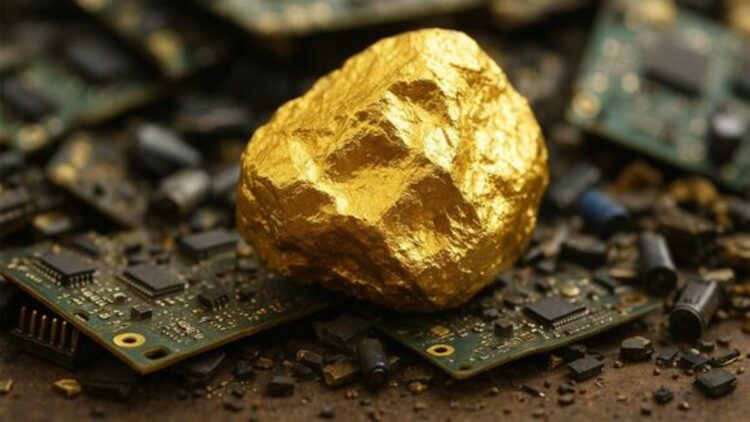
Researchers at ETH Zurich in Switzerland have developed a groundbreaking method for extracting gold from electronic waste, potentially transforming discarded devices into valuable resources. This innovative approach not only highlights the precious metals present in everyday electronics but also creates new job opportunities within the recycling sector.
The study reveals that electronic devices, even those weighing as little as 25 grams, can contain up to 450 milligrams of 22-karat gold. This gold is often found in components such as motherboards, chips, and small circuits, which are frequently overlooked when consumers dispose of their gadgets. The researchers advocate for a shift in perspective regarding electronic waste, emphasizing both environmental and economic benefits.
New Method for Gold Recovery
According to research published by ETH Zurich, the extraction of gold involves a unique chemical process utilizing sponges made from protein fibrils, a byproduct of the cheese industry. These sponges, when immersed in metal solutions derived from dissolved electronic components, effectively attract and retain gold ions. Following this, a heat treatment converts these ions into small nuggets, allowing for significant quantities of gold to be recovered from discarded devices.
The potential for this method is notable. For instance, from just 20 old motherboards, researchers have managed to extract up to 450 milligrams of gold. This process necessitates trained personnel, including chemists, technicians, and waste management specialists, paving the way for a new field of employment focused on e-waste recycling and processing.
Advantages of E-Waste Gold Recovery
The introduction of this gold recovery technique offers several advantages. Firstly, it reduces reliance on traditional mining methods, which are often environmentally damaging. Secondly, as demand grows for skilled workers in the recycling sector, job creation becomes a significant benefit of this initiative. Furthermore, the reduction of electronic waste contributes to lower pollution levels and encourages the reuse of materials.
In recent years, technological consumption has surged, leading to an alarming increase in electronic waste. Many consumers remain unaware of the hidden value in their outdated devices. The approach proposed by ETH Zurich not only addresses environmental concerns but also seeks to establish a sustainable economic model. This model fosters a circular economy, where economic growth, waste recycling, and reduced environmental impact are interconnected.
As society moves toward more sustainable practices, the recovery of precious metals from electronic devices represents a promising solution. By tapping into the potential of e-waste, this initiative could significantly contribute to both environmental sustainability and economic development.