
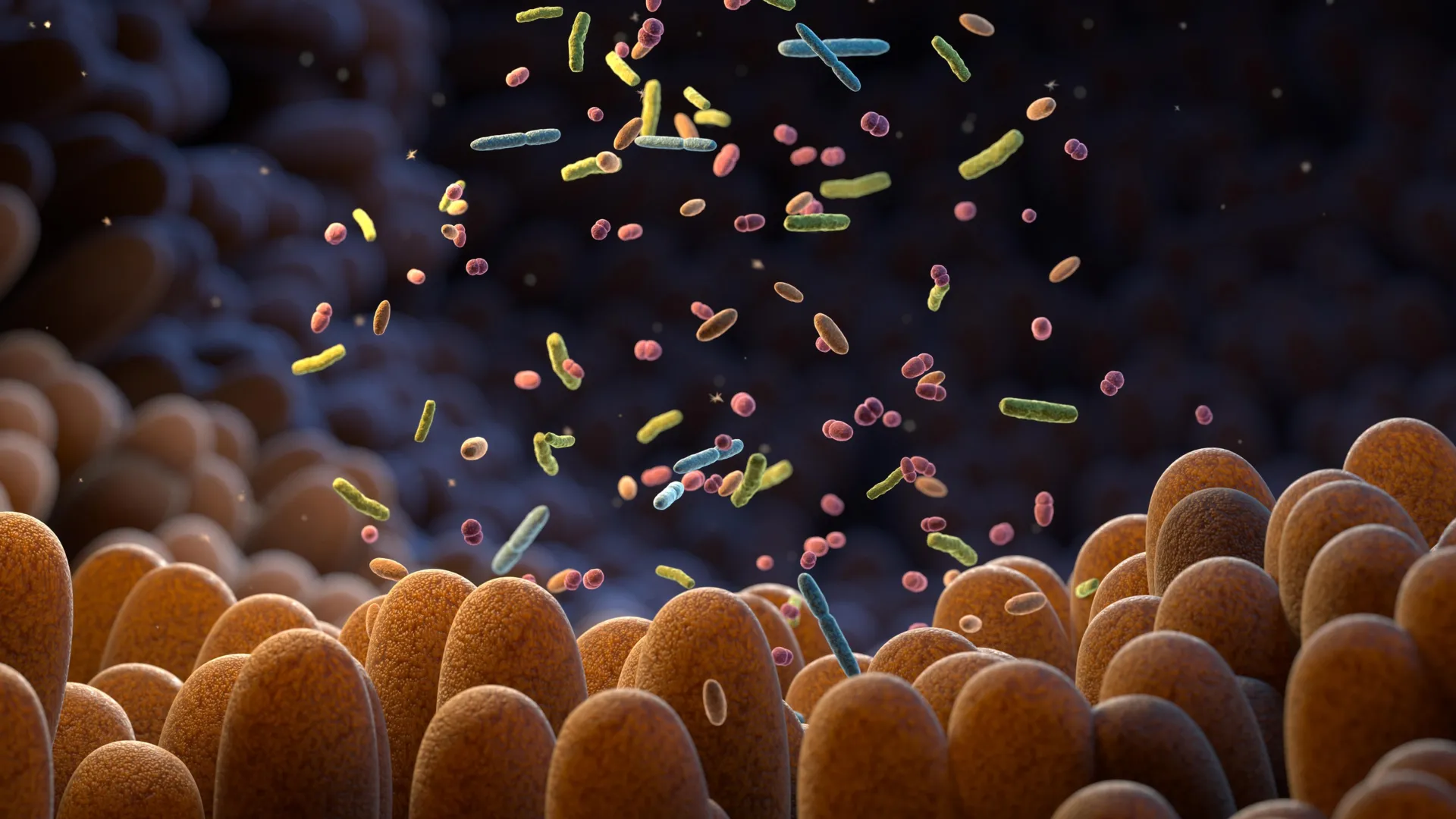
Researchers at the University of Cambridge have identified 168 common chemicals that can disrupt the growth of beneficial gut bacteria, leading to serious implications for human health. The findings, published on December 2, 2025, reveal that many of these substances—found in food, drinking water, and household products—were previously thought to have no impact on living organisms.
This study highlights the urgent need for safety testing of chemicals to consider their effects on gut health. The research team conducted a comprehensive laboratory investigation involving 1,076 chemical contaminants and assessed their impact on 22 species of gut bacteria. The results indicate that some chemicals, including pesticides and industrial substances like flame retardants, significantly hinder the growth of microbes essential for good health.
Impact of Chemicals on Gut Microbiome
The gut microbiome comprises an estimated 4,500 different types of bacteria that collaborate to support various bodily functions. An imbalance in this system can lead to health issues related to digestion, weight regulation, the immune system, and even mental health. The study found that as gut bacteria adapt to chemical pollutants, some may develop resistance to antibiotics, raising concerns about the treatment of infections.
Dr. Indra Roux, first author of the study, stated, “We’ve found that many chemicals designed to act only on one type of target, say insects or fungi, also affect gut bacteria. We were surprised that some of these chemicals had such strong effects.” This highlights the complexity of chemical interactions within the human body, particularly concerning substances not originally intended for human contact.
Professor Kiran Patil, senior author and member of the research team, emphasized the importance of their findings. “The real power of this large-scale study is that we now have the data to predict the effects of new chemicals, with the aim of moving to a future where new chemicals are safe by design,” he noted. This predictive capability could transform how chemicals are evaluated before they enter the market.
The Need for Comprehensive Safety Assessments
The study underscores a critical gap in current safety evaluations. Standard assessments typically overlook the potential effects of chemicals on gut bacteria, as most are designed to target specific organisms, such as insects. “Safety assessments of new chemicals for human use must ensure they are also safe for our gut bacteria,” said Dr. Stephan Kamrad, another member of the research team. This approach could mitigate risks associated with chemical exposure through food and water.
While the laboratory findings are compelling, the researchers acknowledge that there is still much to learn about how environmental chemicals influence the gut microbiome in real-world settings. Future research will be essential to track total chemical exposure and determine the actual risks posed to human health.
As the study opens new avenues for understanding chemical impacts, the researchers recommend practical measures to reduce exposure. These include thoroughly washing fruits and vegetables before consumption and limiting pesticide use in home gardens.
The results of this study, along with the innovative machine learning model developed to predict chemical risks to gut health, are detailed in the journal Nature Microbiology. The findings could pave the way for more informed policy decisions regarding chemical safety, ultimately contributing to better public health outcomes.