
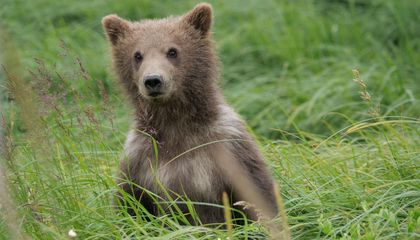
Scientists are now exploring the potential of artificial intelligence (A.I.) to identify individual bears in the wild. This innovative approach could significantly enhance wildlife management efforts, allowing researchers to track bear populations more accurately and identify aggressive animals that pose risks to humans.
The University of Alberta is at the forefront of this research, collaborating with Bear Conservation International. The team is developing a facial recognition system specifically designed for bears. Using this technology, researchers can analyze images captured in the field and match them against a growing database of known bears.
Enhancing Wildlife Monitoring
The implications of A.I. facial recognition technology for wildlife management are substantial. Traditionally, biologists have employed various methods to monitor bear populations, such as tagging or direct observation. These methods can be labor-intensive and may not always provide accurate data regarding population sizes or individual bear behavior.
By contrast, A.I.-driven systems can process vast amounts of photographic data swiftly. According to the research team, this technology can not only assist in tracking population sizes but also help identify bears that have engaged in aggressive behavior. Such insights are crucial for preventing human-bear conflicts, particularly in areas where human encroachment into bear habitats is increasing.
In a recent study, researchers demonstrated the effectiveness of their A.I. system using images from wildlife cameras placed throughout British Columbia. The system successfully recognized individual bears with an accuracy rate exceeding 90%. This level of precision suggests that A.I. can become a vital tool in conservation strategies moving forward.
Potential for Broader Applications
The use of A.I. in wildlife tracking is not limited to bears. The technology has the potential to be adapted for various species, enhancing conservation efforts globally. As wildlife habitats continue to face threats from climate change and human activity, the need for effective monitoring becomes increasingly urgent.
Researchers emphasize that while A.I. can significantly aid in wildlife management, it should complement traditional methods rather than replace them. The combination of technology and field expertise can lead to more informed decision-making and better outcomes for wildlife conservation.
As this project progresses, the team plans to collaborate with other conservation organizations to refine the technology further. If successful, the A.I. facial recognition system could revolutionize how biologists study and protect wildlife, ensuring that both bears and humans can coexist more safely in shared environments.
With the potential for widespread application, the integration of A.I. into wildlife research marks a significant step forward in conservation science. The findings from the University of Alberta and Bear Conservation International could pave the way for new methodologies that enhance our understanding of wildlife and their habitats, ultimately supporting efforts to preserve these vital ecosystems for future generations.