
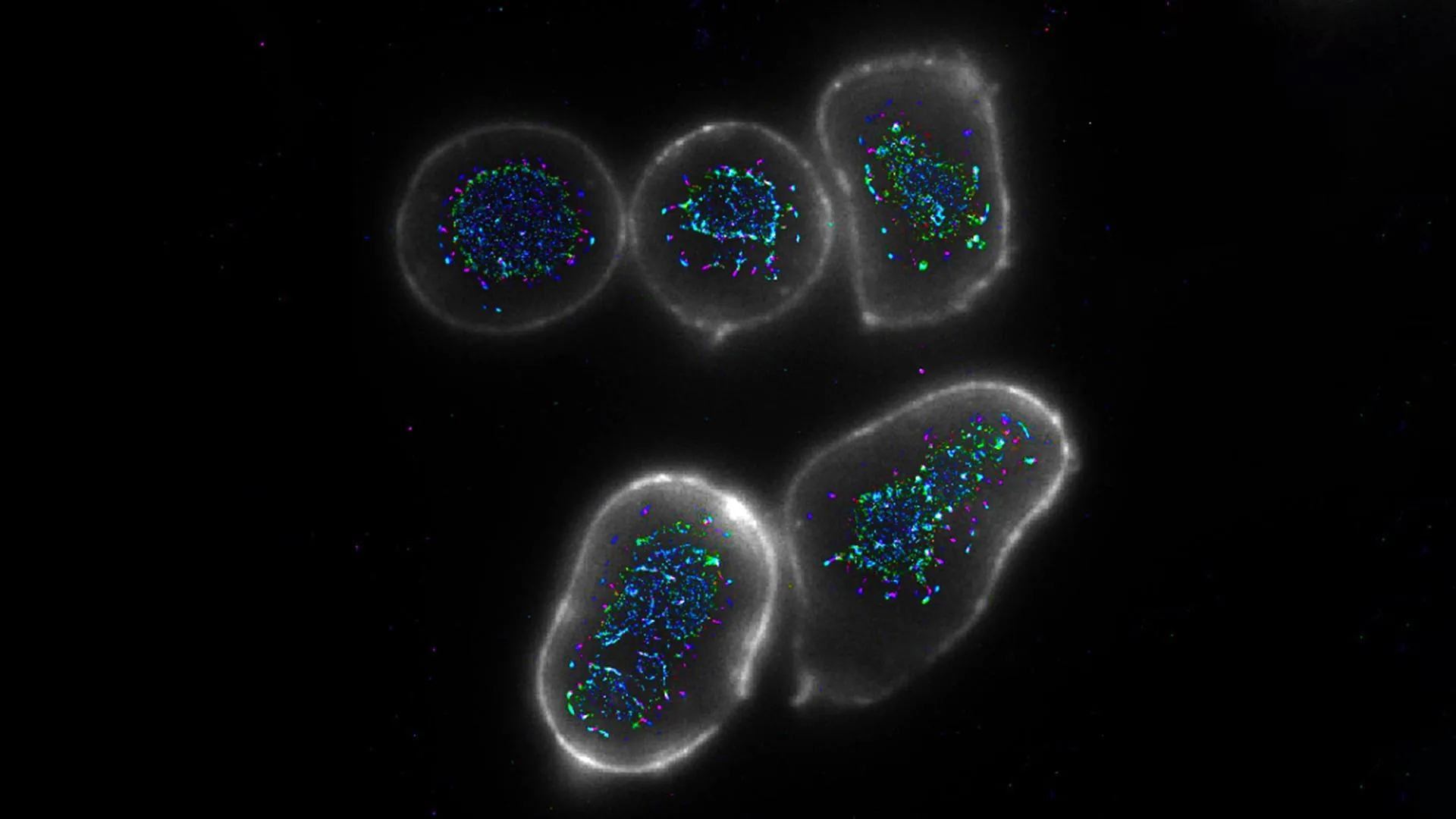
Scientists at the University of Southampton have made significant strides in cancer treatment by creating a novel class of antibodies aimed at boosting the immune system’s ability to combat cancer. Announced on January 9, 2026, this innovative approach enhances the activation of T cells, crucial for targeting and destroying cancer cells.
The breakthrough research was published in the journal Nature Communications and reveals how these specially engineered antibodies can cluster immune cell receptors to amplify the signals that prompt T cells to attack tumors. This advancement not only increases the effectiveness of the immune response but also opens new avenues for immunotherapy treatments.
Mechanism Behind the Antibodies
The newly developed antibodies operate by simultaneously binding to multiple receptors on immune cells. This is a departure from traditional antibodies, which typically have a Y-shaped structure with only two binding arms. The four-pronged design of these new antibodies allows them to engage more receptors at once, enhancing the strength of the activation signal for T cells.
Professor Aymen Al Shamkhani, who led the research, explained the significance of focusing on the CD27 receptor. This receptor requires a specific ligand to activate T cells, a molecule that is often absent in cancer cells. As a result, T cells receive weak signals, which diminishes their ability to effectively target and eliminate tumors.
The research team’s innovation lays the groundwork for therapies that can more effectively engage the immune system against cancer. By increasing the concentration of CD27 receptors through clustering, the antibodies closely mimic the natural activation process occurring during infections.
Enhanced Efficacy in Preclinical Trials
Laboratory tests conducted on mice and human immune cells demonstrated that the novel antibodies significantly outperformed standard Y-shaped antibodies in activating CD8+ T cells. These cells are integral to the immune system’s defense against cancer, often referred to as the special forces due to their effectiveness in directly destroying cancerous cells.
The enhanced activation observed with the new antibodies led to a notably stronger anti-tumor response. This finding suggests that therapies leveraging this technology could substantially improve outcomes for cancer patients who do not adequately respond to existing treatments.
Professor Al Shamkhani noted, “This approach could help improve future cancer treatments by allowing the immune system to work closer to its full potential.” The study highlights the ongoing efforts at the Centre for Cancer Immunology to pioneer innovative strategies in cancer therapy.
The research was supported by Cancer Research UK, underscoring the collaborative efforts to advance cancer immunotherapy and better harness the immune system’s natural capabilities against malignancies. As scientists continue to explore the potential of these new antibodies, the promise of more effective cancer treatments is becoming increasingly tangible.