
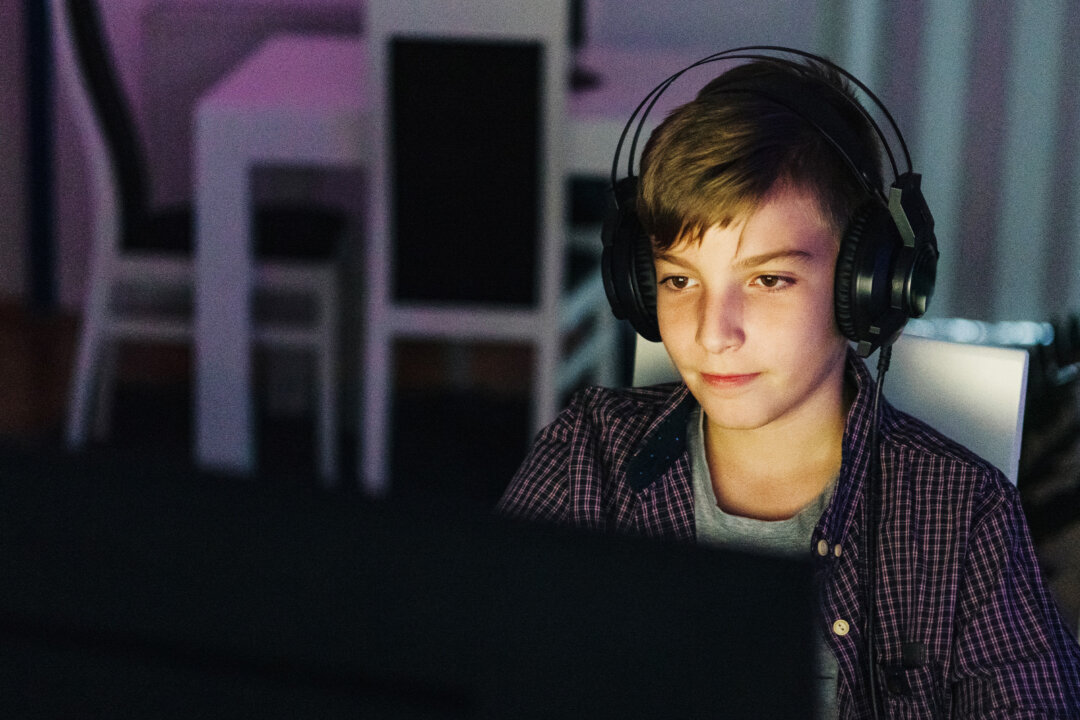
Video gaming serves as a popular outlet for many teenagers, offering a means to unwind from the pressures of school and social dynamics. While most engage in gaming as a temporary escape, for some, it transforms into a problematic compulsion that disrupts their daily lives. Understanding the line between healthy gaming habits and detrimental behavior is crucial for parents and caregivers.
Understanding the Role of Gaming in Teen Life
In today’s digital landscape, video games are more than just entertainment; they provide an immersive experience that can help teens relax after a long day. According to a study by the Entertainment Software Association, approximately 70% of teens engage in gaming regularly, using it as a way to relieve stress and enhance social connections. For many, this activity is a harmless way to decompress alongside homework and family responsibilities.
However, issues arise when gaming shifts from a temporary respite to a primary coping mechanism. When teens begin to rely on gaming to manage emotions, it can lead to increased isolation and stress, counteracting the intended benefits. Parents may notice signs that indicate gaming is no longer a healthy pastime.
Identifying Signs of Problematic Gaming
Several indicators can suggest that a teen’s gaming habits may have become problematic. If gaming consistently takes precedence over academic responsibilities, family interactions, or social opportunities, it is essential to address the situation. Signs of concern include:
– **Neglecting Responsibilities**: Failing to complete homework or chores due to gaming.
– **Withdrawal from Family and Friends**: Spending excessive time gaming at the expense of real-life relationships.
– **Increased Irritability**: Displaying frustration or anger when unable to play.
– **Sleep Disruption**: Staying up late to game, impacting their overall health and alertness during the day.
If these behaviors appear, it is vital to engage teens in conversation about their gaming habits. Open dialogue can help them reflect on their activities and understand potential consequences.
Research indicates that gaming can release dopamine, a neurotransmitter associated with pleasure. This can create a cycle where teens feel compelled to play longer to experience the same gratification. It’s crucial for parents to guide their children in establishing healthy boundaries around screen time.
Finding Healthy Alternatives
Developing effective coping strategies is essential for emotional well-being. Encouraging teens to explore various activities can foster a balanced approach to stress management. Options may include sports, arts, or social clubs, which can help them connect with peers while reducing reliance on gaming.
Parents can play a proactive role by setting limits on gaming time and promoting alternative activities. According to the American Academy of Pediatrics, it is beneficial for families to participate in activities together, reinforcing bonds and creating a supportive environment.
Recognizing when gaming has become a problem is not just about monitoring hours spent in front of a screen. It involves understanding the underlying emotional needs that gaming may be fulfilling. By maintaining open communication and promoting a diverse range of coping mechanisms, parents can help their teens navigate the challenges of adolescence while fostering healthier habits.
In summary, while video games can offer a valuable escape for many teenagers, it is crucial to remain vigilant about the potential for compulsive behavior. By identifying signs of unhealthy gaming and promoting balanced lifestyles, parents can support their teens in finding effective and fulfilling ways to cope with life’s pressures.