
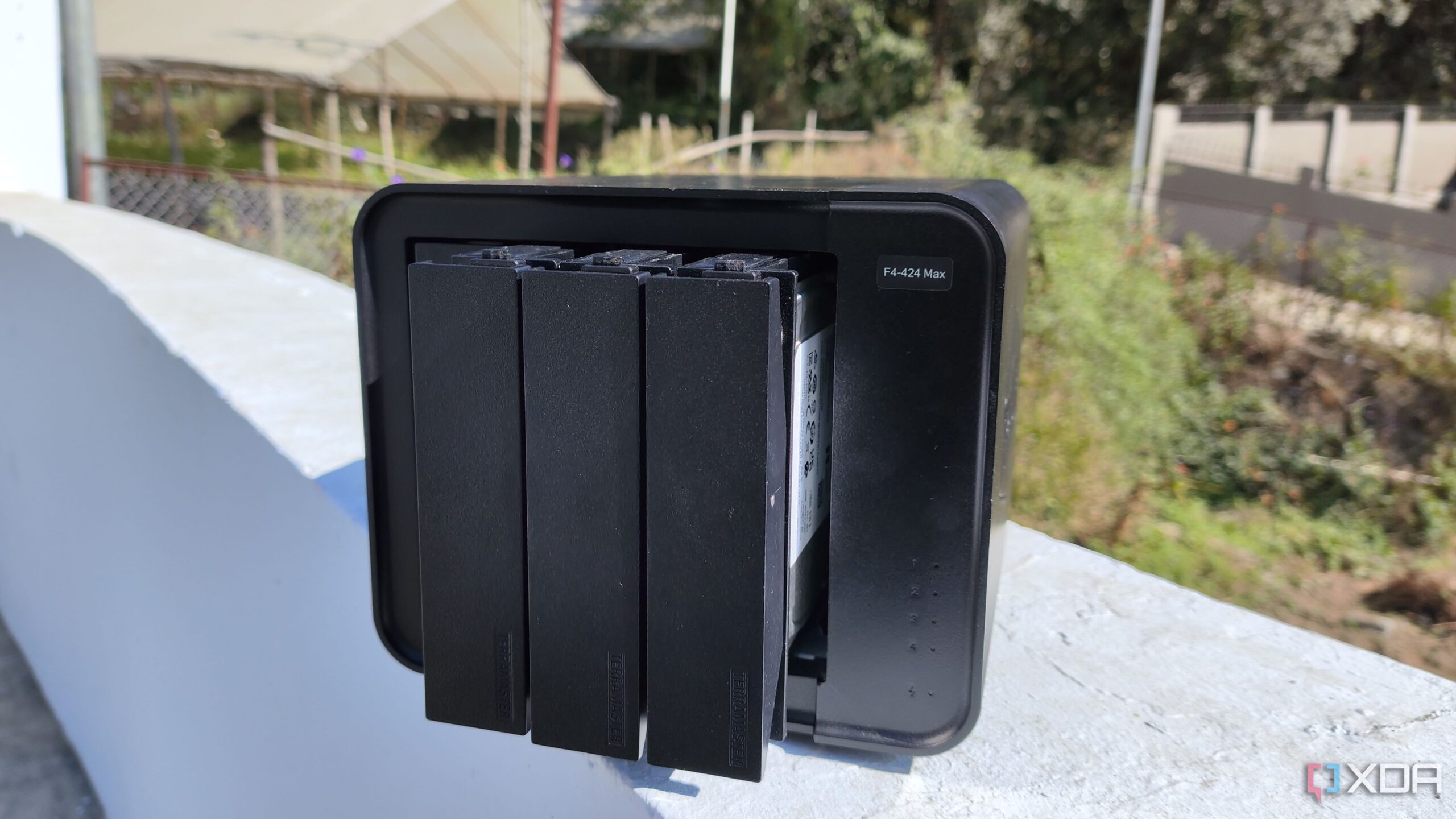
URGENT UPDATE: The technology behind RAID 5 is rapidly becoming obsolete as modern, high-capacity hard disk drives (HDDs) compromise its effectiveness for Network-Attached Storage (NAS) systems. Experts are raising alarms about the limitations of RAID 5, emphasizing the need for users to reconsider their storage strategies now.
As data storage needs explode, especially in businesses and homes with vast digital libraries, users are urged to rethink their approach to file systems and RAID configurations. While RAID 5 was once a reliable solution for ensuring data redundancy, recent evaluations highlight its declining relevance in today’s landscape of large HDDs.
Many users are unaware that RAID configurations, while enhancing fault tolerance, are not without their flaws. The inherent vulnerabilities of RAID 5, particularly when paired with contemporary hard drive technology, can expose users to significant data loss risks. The call to action is clear: it’s critical to formulate a strategic plan for your NAS before diving into storage solutions.
Experts warn that without adapting to modern standards, users risk jeopardizing their essential files. As the demand for efficient storage solutions increases, the RAID landscape is shifting. Users are encouraged to explore alternative RAID levels or storage configurations that can better safeguard their data in this evolving digital environment.
What’s Next? The technology community is poised for a significant shift as discussions around the future of RAID continue to gain momentum. Users need to stay informed about the best practices for NAS configurations to avoid potential pitfalls.
Stay tuned for further updates on this developing story, as experts continue to analyze the implications of these changes on data storage solutions worldwide.