
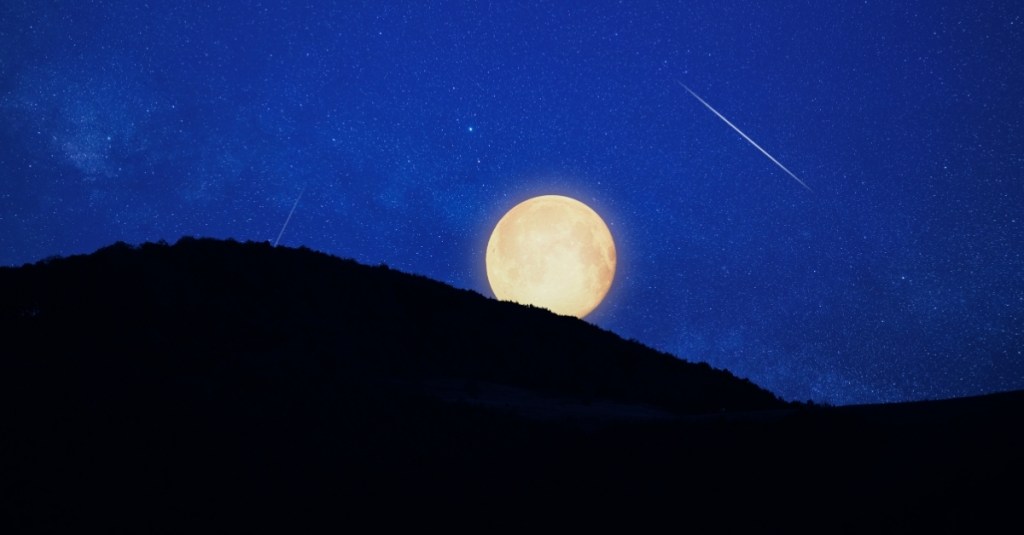
UPDATE: The first major meteor shower of the year, the Quadrantid meteor shower, is peaking tonight, but a bright supermoon is expected to significantly limit visibility. Stargazers are urged to make plans now to catch glimpses of the meteors before the moon’s light overpowers them.
The Quadrantids are predicted to reach their peak from Friday night into early Saturday morning, January 6, 2024, with ideal conditions allowing for approximately 25 meteors per hour. However, the supermoon, which occurs when the moon is at its closest point to Earth, will likely reduce that number to fewer than 10 meteors per hour for most observers.
“The biggest enemy of enjoying a meteor shower is the full moon,” says Mike Shanahan, director of the Liberty Science Center. He emphasizes that the bright light from the supermoon will overshadow the fainter meteors, making it a challenging night for enthusiasts.
Meteor showers happen when Earth passes through debris left by comets or asteroids, causing tiny space rocks to burn up in the atmosphere and create brief streaks of light. The Quadrantids, known for their short but intense display, can be unpredictable, and this year’s supermoon adds another layer of complexity to the viewing experience.
Astronomers recommend that stargazers take advantage of early evening hours to catch brighter fireballs before the moon dominates the sky. Alternatively, viewing just before dawn on Sunday may provide a better chance as the radiant point of the shower climbs higher.
No special equipment is necessary to view the meteors—just give your eyes time to adjust to the darkness, avoid screens, and scan the entire sky for quick white flashes rather than long streaks.
The Quadrantids take their name from a now-defunct constellation, reflecting their tendency to get overshadowed, much like their visibility this weekend. After this event, the next major meteor display, the Lyrids, will not occur until April.
Tonight’s supermoon marks the end of a four-month stretch of supermoons, with the next one not scheduled until late 2026. While the supermoon may steal the spotlight, even a diminished meteor shower is worth braving the cold to witness.
Don’t miss out—head outside tonight or early tomorrow to witness this celestial event! The skies may be challenging, but the thrill of catching a shooting star is an experience you won’t want to miss.