
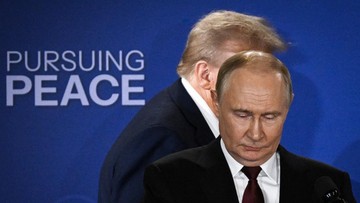
Russian President Vladimir Putin has stated that Russia is beginning to feel the repercussions of the ongoing energy crisis, attributed to the escalating conflict between Iran and the United States along with Israel. This acknowledgment comes as global energy markets experience significant volatility, raising concerns about supply and pricing.
During a recent address, Putin emphasized that the situation is affecting Russia’s energy sector, which has been a cornerstone of its economy. He pointed to a combination of geopolitical tensions and the ripple effects of sanctions as primary contributors to the crisis. The conflict in the Middle East has not only disrupted supply chains but has also heightened fears of further destabilization in the region.
Energy Market Turbulence
The energy crisis has led to soaring prices globally, with natural gas and oil witnessing dramatic fluctuations. According to reports from the International Energy Agency (IEA), oil prices surged by over 30% in the past month alone, reaching levels not seen since early 2022. The IEA’s data indicates that the crisis could lead to higher inflation rates worldwide, impacting economies far beyond the immediate conflict zones.
Putin remarked that Russia’s energy exports are crucial during this turbulent time, and the country is looking for ways to adapt to the shifting market dynamics. He noted that while Russia has traditionally been a major player in global energy supplies, the current geopolitical climate complicates matters. The president highlighted the need for long-term strategies to mitigate the effects of the crisis on both domestic and international fronts.
Global Implications
Economic analysts warn that the ongoing conflict will have lasting repercussions not only for Russia but also for countries heavily reliant on energy imports. The European Union, for instance, faces increased pressure to secure alternative energy sources as tensions escalate. Many European nations, which have historically depended on Russian energy supplies, are now scrambling to diversify their energy portfolios to reduce vulnerabilities.
As the situation develops, Putin’s government is reportedly considering various measures to stabilize the national economy. The Kremlin is expected to engage in discussions with key partners to explore new trade agreements aimed at ensuring energy security.
The potential fallout from this crisis is significant. With high energy prices likely to persist, lower-income households around the world may struggle to afford basic utilities. The ramifications of the conflict in the Middle East extend far beyond regional borders, signifying a critical juncture in global energy politics.
In conclusion, the acknowledgment by Vladimir Putin regarding Russia’s exposure to the energy crisis highlights the interconnected nature of global economies. As the situation evolves, the world will be watching closely to see how Russia adapts to the challenges posed by both the energy crisis and the geopolitical landscape.