
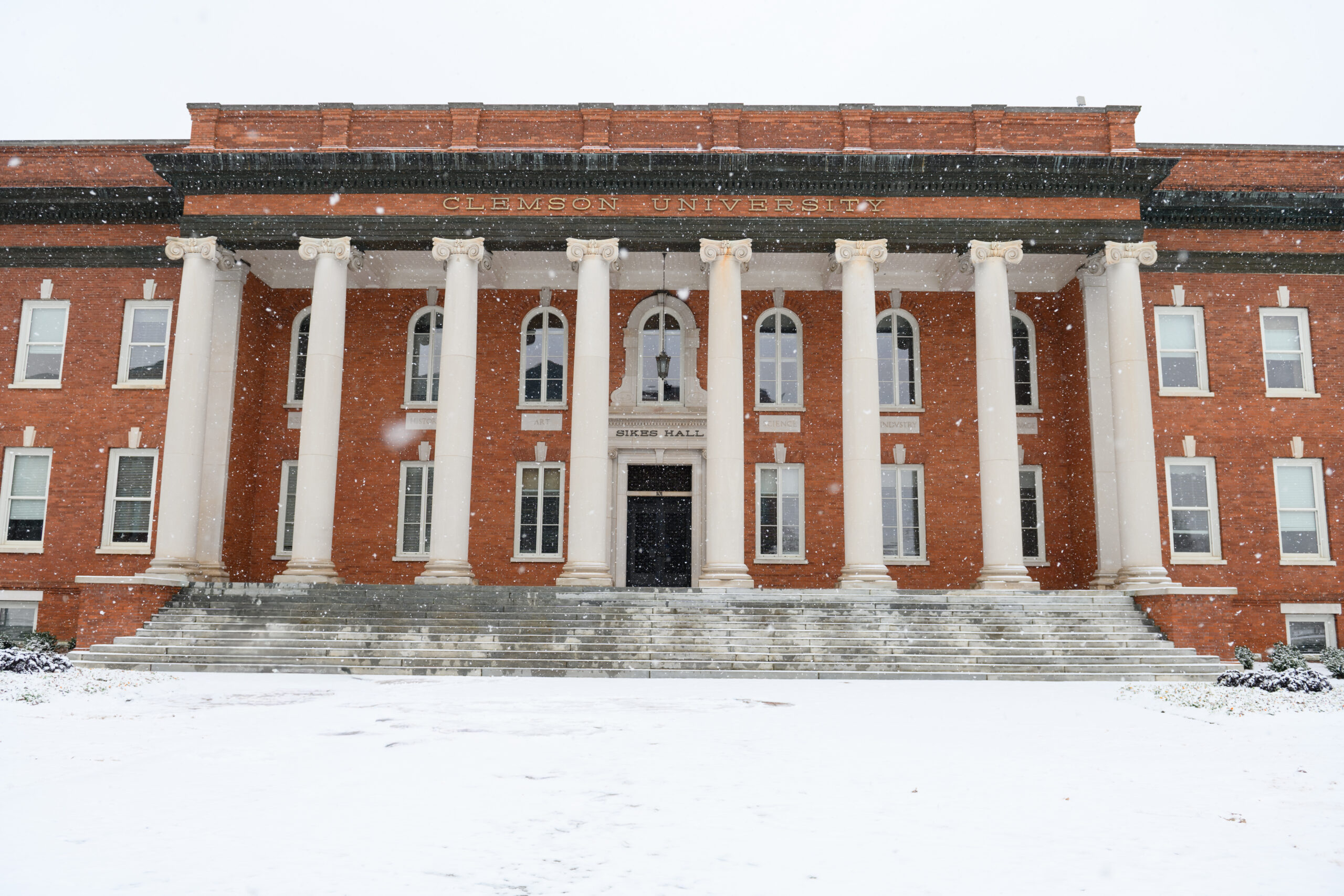
As winter weather approaches, concerns about frozen pipes and power outages become increasingly relevant. The Facilities team at Clemson University has provided valuable recommendations to help residents protect their homes and stay warm during challenging conditions. With a focus on practical solutions, the team emphasizes preparation to mitigate the risks associated with freezing temperatures.
Preventing Frozen Pipes
One of the most critical steps in safeguarding against frozen or burst pipes is proper insulation. Chris Miller, Strategic Operations Manager at Clemson University, suggests insulating exposed pipes, especially in areas like basements, crawlspaces, attics, garages, and exterior walls. It’s essential to remember that hot water lines can freeze more quickly than cold water lines, making insulation for both types crucial.
Another effective strategy is to keep water moving. Residents should turn on the faucet farthest from their water heater, adjusting the hot and cold water to create a slow stream. For single-handle faucets, setting the handle to the center position allows for an even mix of hot and cold water. Additionally, opening cabinet doors where plumbing is located allows warm air to circulate and helps prevent freezing.
Closing crawlspace vents during winter months is also advised. Once temperatures rise in spring, homeowners can reopen them to ensure proper air flow. Outdoor faucets should be protected by shutting off outside water lines and draining them. If a shutoff valve is not accessible, using insulating foam covers can provide additional protection.
For those living in mobile or modular homes, RVs, or barns, wrapping water lines in heat tape can offer added safeguard against freezing.
Responding to Frozen or Burst Pipes
Residents should be prepared to act if a pipe freezes or bursts. Knowing the location of main water shutoff valves is crucial. Common locations include near the foundation, at the water meter, or above the water heater.
If water flow unexpectedly stops, it may indicate a frozen pipe. Homeowners should turn on all faucets to help melt any blockages. If no water flows from the faucets, it’s possible that the main water line is frozen. Keeping all faucets in the open position until temperatures rise can help alleviate the issue.
In the unfortunate event of a burst pipe, residents should remain calm and shut off the water at the main valve. Opening the lowest faucet in the home to drain water, such as a utility sink, and a higher faucet to assist with drainage can help manage the situation. If the burst pipe is a hot water line, it’s advisable to turn off the shutoff valve above the water heater, allowing for continued use of water in the rest of the home, provided that hot water faucets are set to cold only.
If there are signs of hidden leaks, such as the small dial on the water meter spinning, it is best to contact a licensed plumber for repairs. This approach reduces liability and ensures the issue is addressed properly.
Staying Warm During Power Outages
In addition to protecting plumbing, residents should also prepare for potential power outages during winter storms. Investing in a backup generator is one effective way to ensure essential appliances like HVAC systems and water heaters remain operational. Utilizing natural gas as a backup can provide further security, as gas appliances are less affected by power disruptions.
In the event of severe storms, it is advisable to stay on lower levels to avoid potential hazards like falling trees. If the main concern is warmth, gathering in a small or upstairs room can help conserve body heat.
Safety is paramount, and homeowners should never use a gas stove to heat an enclosed space, as this poses significant risks. Instead, having a backup plan to stay with friends or family, knowing the nearest warming shelter, and checking on neighbors can greatly enhance safety during cold weather events.
By following these guidelines, residents can effectively prepare for winter’s challenges, minimizing the risks of frozen pipes and ensuring warmth during power outages. For further information on the initiatives and services of Clemson University Facilities, additional resources are available on their official website.