
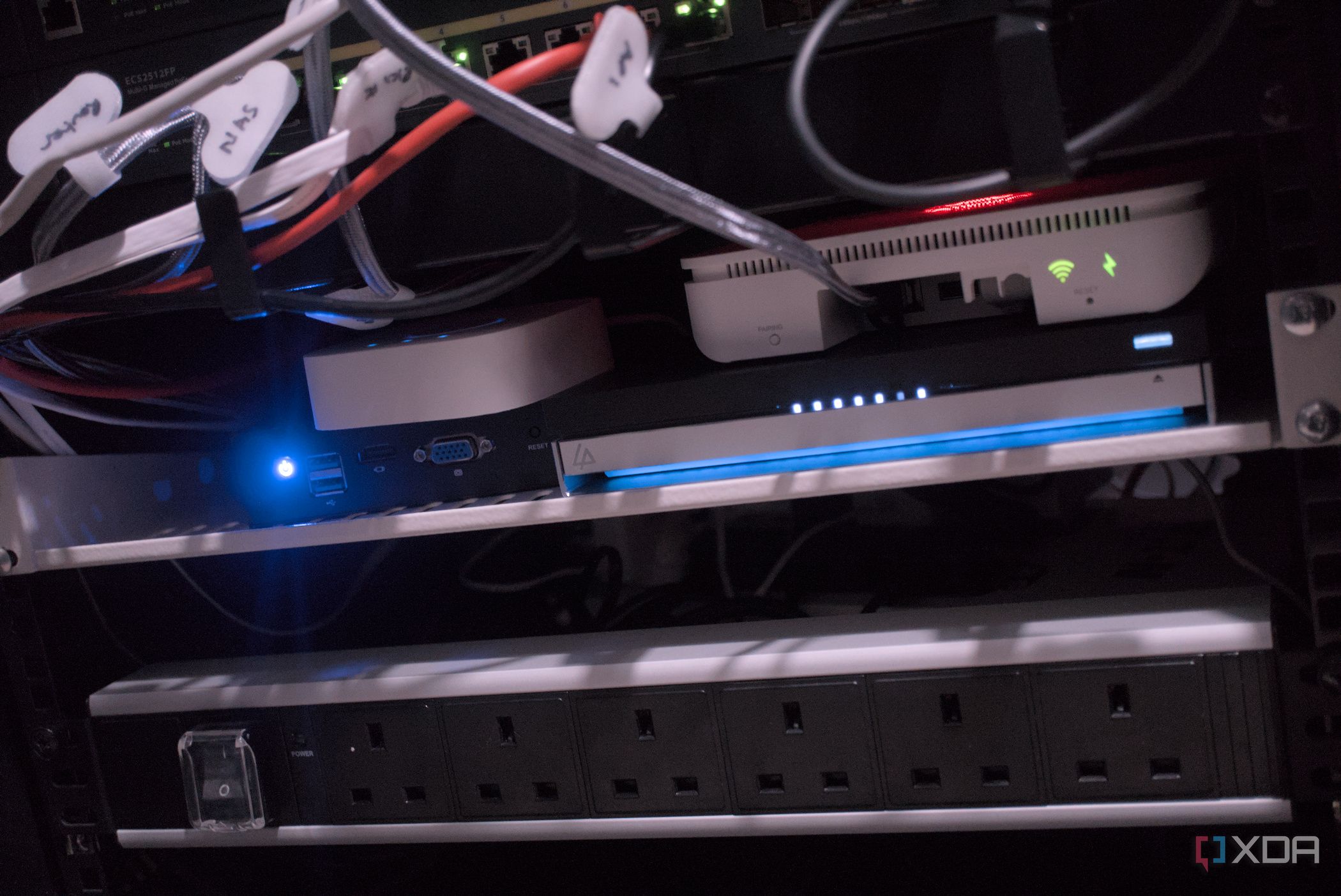
UPDATE: Home networking has just taken a giant leap forward as users report a staggering 50% reduction in power adapters thanks to the adoption of Power over Ethernet (PoE). This game-changing technology allows both data and electrical power to travel through a single Ethernet cable, simplifying setups and dramatically cutting down on cable clutter.
In a home lab setting, network closets often become chaotic with tangled wires and bulky power adapters. With multiple devices demanding their own transformers, many users have found themselves overwhelmed by the mess. However, those who have switched to PoE are experiencing a wave of relief and efficiency, transforming their network environments into tidy and functional spaces.
The latest reports highlight the struggles faced by home lab enthusiasts managing devices like mini PCs, IP cameras, and Wi-Fi access points. Previously, each device required its own AC adapter, leading to a crowded space filled with power strips. Disconnecting devices became a hassle, and the heat generated from numerous adapters added to the discomfort of cramped working conditions.
One user shared their personal experience: “After years of dealing with the chaos, I finally decided to take PoE seriously. It allowed me to cut my power adapters in half, and the difference is unbelievable,” they explained. By using a PoE switch, they were able to consolidate power and data into a single Cat6 cable, leading to a cleaner and more efficient setup.
The shift to PoE is not just about aesthetics; it also enhances performance. Users report improved uptime and reliability due to the integration with Uninterruptible Power Supplies (UPS). This means that network infrastructure like access points can continue to function even during power outages, a critical advantage for anyone relying on stable Wi-Fi.
When selecting a PoE switch, experts recommend considering capacity and management features. A recent purchase of a YuanLey YS25-04-02M switch, equipped with four 2.5Gb ports and two 10Gb uplinks, allowed users to power all necessary devices with ease. This switch not only supports PoE but also provides valuable insights into power allocation across connected devices.
Despite its advantages, users are reminded to monitor power consumption to ensure that total device draw remains within the switch’s budget. With PoE, adding new hardware becomes straightforward, eliminating the need for multiple power outlets and reducing overall complexity.
As home networking continues to evolve, the adoption of PoE stands out as a transformative solution. Users are encouraged to share their experiences and join the conversation as this technology reshapes the future of smart home labs.
Stay tuned for ongoing updates on this developing trend and how it impacts home networking globally. The shift to Power over Ethernet is not just a technical upgrade; it’s a revolution in how we manage our digital lives.