
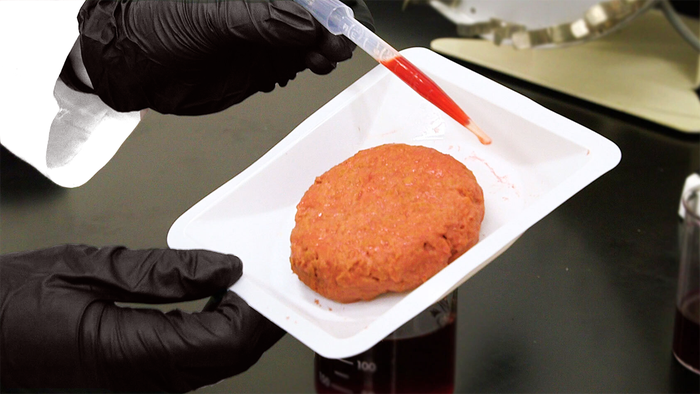
The plant-based meat industry, which saw remarkable growth in 2019, is currently facing significant challenges. Following a surge in investment—amounting to hundreds of millions of dollars—companies like Beyond Meat and Impossible Foods captured the attention of consumers and investors alike. Major fast-food chains, including McDonald’s and Burger King, introduced plant-based burgers on a national scale, while endorsements from celebrities such as Snoop Dogg and Katy Perry bolstered the movement. However, this momentum has slowed considerably since the early 2020s.
Sales of plant-based meats have cooled, and prices have remained high, leading to questions about the sustainability and appeal of these products. Critics are increasingly scrutinizing the ultra-processed nature of many plant-based offerings, with some industry groups promoting traditional meat through targeted advertising campaigns and lobbying efforts. This backlash has created a challenging landscape for plant-based meat producers.
Factors Behind the Decline
Several factors contribute to the current situation of the plant-based meat market. First, the novelty that fueled initial consumer interest has diminished. As more options entered the market, customers became discerning about quality and taste. Additionally, the pandemic disrupted supply chains, affecting production capabilities and driving costs higher.
According to a report from the Good Food Institute, plant-based meat sales reached approximately $1.4 billion in the United States in 2020, but growth rates have significantly slowed since then. By 2023, the market saw only a modest increase, prompting questions about the long-term viability of plant-based alternatives.
Another critical issue is the perception of healthfulness. While many consumers associate plant-based products with healthier eating, the reality is more complex. Many plant-based meats are highly processed and can contain high levels of sodium and additives. This has led some health-conscious customers to reconsider their choices, especially in light of growing awareness about nutrition and food quality.
The Cost Barrier
Despite the initial promise, the high cost of plant-based meats continues to be a barrier for many consumers. The production of these products often involves advanced technologies and ingredients that drive up prices. For instance, the cost of key ingredients like pea protein or mung bean protein can fluctuate widely, impacting overall pricing.
Current prices for plant-based alternatives remain significantly higher than their animal-based counterparts. A 2023 survey indicated that a typical plant-based burger costs about $1.50 more than a conventional beef burger. This price disparity limits the appeal of plant-based meats to a broader audience, particularly in a climate of rising food prices.
To combat these challenges, companies are exploring ways to reduce costs. Innovations in production processes and ingredient sourcing may help to lower prices over time. Partnerships with agricultural producers could also enhance supply chain efficiency, ultimately benefiting consumers.
While the plant-based meat industry has made strides in recent years, the road ahead remains complex. As the market adjusts to consumer preferences and economic pressures, the future of plant-based meats will depend on how effectively companies can address these challenges. The potential for growth still exists, but it hinges on overcoming barriers related to price, perception, and quality.