
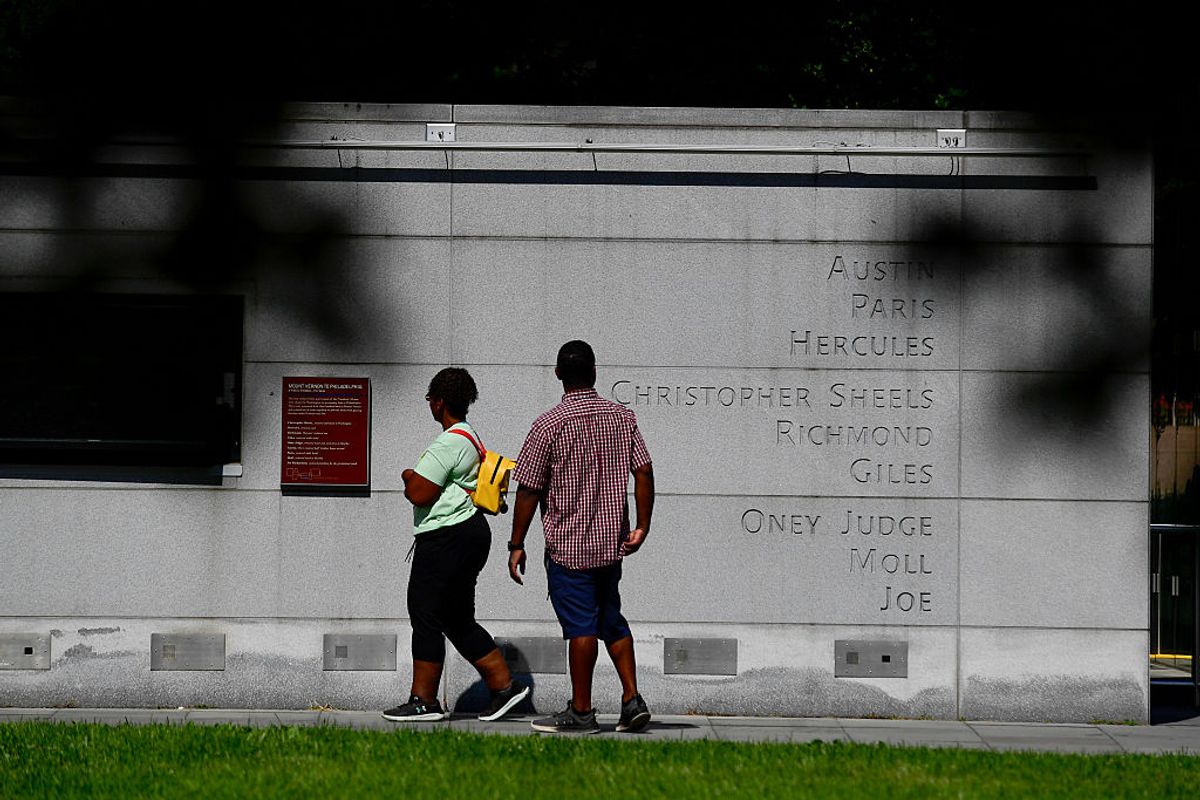
Philadelphia has filed a lawsuit against the U.S. Department of the Interior and the acting director of the National Park Service, demanding the reinstatement of slavery-related exhibits at the President’s House Site. This action comes after the city learned that the National Park Service had removed educational displays and artwork referencing slavery from the historic site, part of Independence National Historical Park.
The lawsuit, submitted to a federal court, seeks a preliminary injunction to restore the exhibits, which are crucial for understanding the historical context of the site. According to the complaint, the removal of these materials is linked to Executive Order No. 14253, signed by President Donald Trump in March 2020. The executive order claims that American history has been rewritten with ideological motives, stating that such revisionism undermines the achievements of the nation.
The lawsuit highlights the removal of educational panels that addressed the realities of slavery, stating, “The National Park Service has removed artwork and informational displays at the President’s House site referencing slavery.” Philadelphia City Council President Kenyatta Johnson condemned this action, characterizing it as an attempt to “whitewash American history.” He emphasized that history cannot be erased simply because it is uncomfortable.
Footage from NBC Philadelphia captured scenes of individuals removing panels, including one that read “The Dirty Business of Slavery.” The city asserts that it was not notified about these changes, which it describes as “arbitrary and capricious.” The lawsuit criticizes the lack of explanation from the National Park Service for the removal of these significant historical displays.
Elizabeth Peace, a spokesperson for the Interior Department, stated, “The President has directed federal agencies to review interpretive materials to ensure accuracy, honesty, and alignment with shared national values.” Following this review, the National Park Service is reportedly removing or revising materials deemed inappropriate under the executive order. This order mandates that interpretive content should avoid disparaging portrayals of Americans, focusing instead on the “greatness of the achievements” of the American people.
The President’s House, where America’s first President, George Washington, lived, is a site of historical significance, further complicated by the fact that Washington owned slaves who lived in the house. The site also housed John Adams, the nation’s second president. The National Park Service had previously recognized the enslaved individuals who lived there following a request from the House of Representatives in 2003.
According to reports, the city and the National Park Service entered a cooperative agreement in 2006 to establish an exhibit about the President’s House, underscoring the importance of these displays in educating the public about the nation’s complex history.
In response to the removal of the educational panels, a local group called The Black Journey, which conducts walking tours focused on Black history in Philadelphia, asserted that the past cannot be erased. They stated, “Just because Trump ordered the panels taken down doesn’t erase the history. The truth still lives here.”
Political figures have also voiced their concerns. U.S. Representative Brendan Boyle, whose district includes part of Philadelphia and the President’s House, emphasized the importance of an honest accounting of history, stating, “Philadelphia and the entire country deserve an honest accounting of our history, and this effort to hide it is wrong.”
As the lawsuit unfolds, the outcome may significantly impact how American history, particularly the narratives surrounding slavery, is presented to the public. The city seeks to ensure that the historical record remains accessible and reflective of the full scope of the nation’s past.