
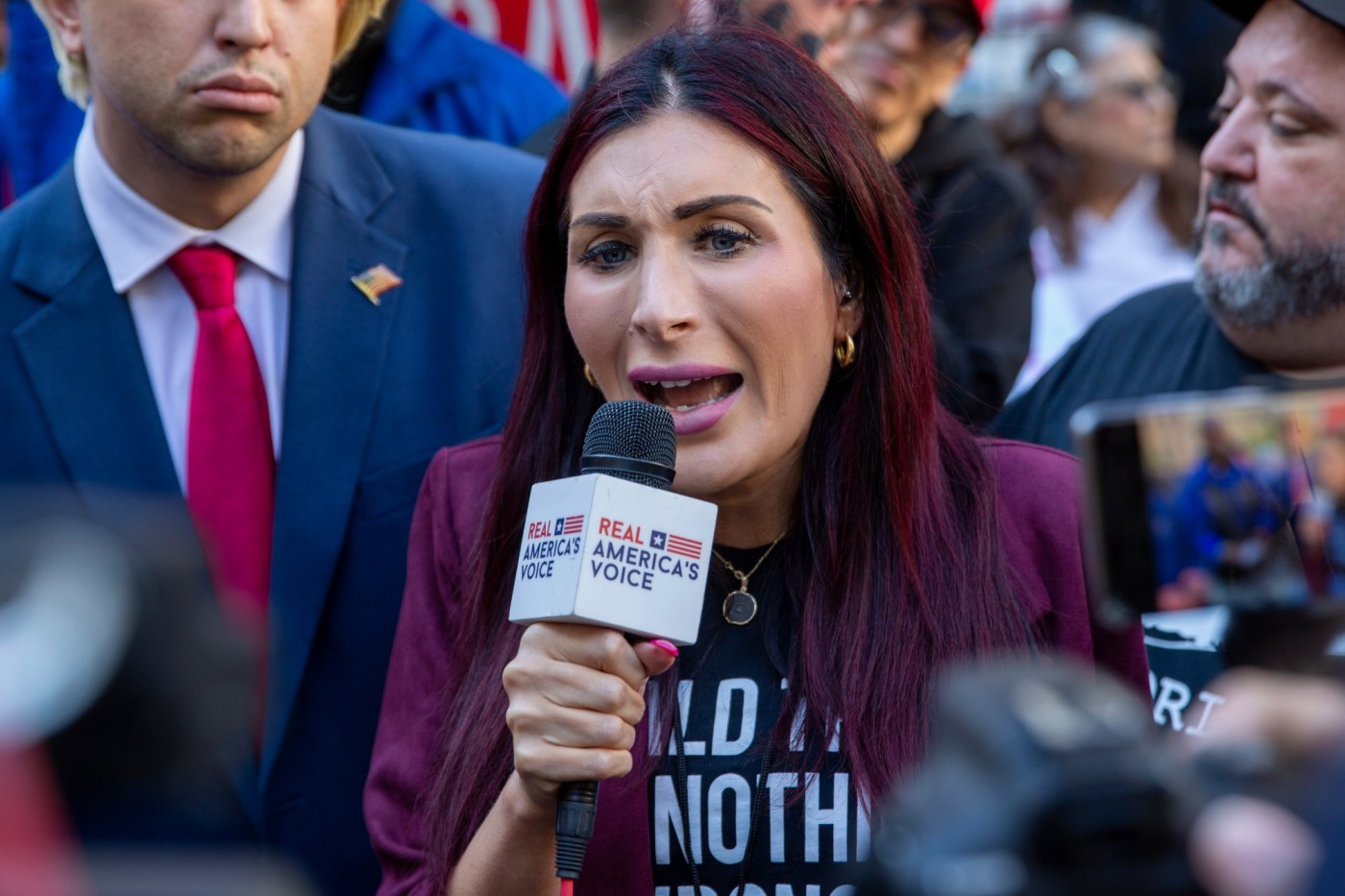
The Pentagon’s recent decision to revoke press credentials from established journalists has ignited controversy within the media landscape. As a response to a new requirement imposed by the Trump administration, many prominent news organizations, including Fox News, refused to sign a pledge restricting their reporting on the Department of Defense without prior authorization. This refusal resulted in a significant shift, allowing various non-traditional media figures to occupy press seats during Pentagon briefings.
During a briefing last Tuesday, Pentagon press secretary Kingsley Wilson welcomed a group of individuals described as “kooky amateurs” to replace credentialed reporters. Wilson remarked, “Legacy media chose to self-deport from this building. The American people don’t trust these propagandists because they stopped telling the truth.” The atmosphere was strikingly different, as the briefing featured commentary from controversial figures such as Matt Gaetz and Laura Loomer.
Matt Gaetz, a former congressman known for his polarizing statements, raised a question regarding the potential military intervention in Venezuela, implying that service members from the Venezuelan government might be labeled as “narcoterrorists.” This prompted laughter and disbelief among those familiar with the political landscape. Loomer, characterized as a “pro-white nationalist,” also seized the opportunity to voice her opinions on foreign relations, particularly regarding the Qatari emir and his connections to former President Donald Trump.
The unusual nature of the briefing raised eyebrows, particularly as it deviated from typical press interactions with the Pentagon. A participant challenged Loomer’s assertions, questioning if the U.S. was reassessing its relationship with Israel after her claims about Israeli funding for Hamas. This unexpected exchange highlighted the growing tension between traditional journalism and the emerging voices in the political arena.
The Pentagon’s new requirements have drawn criticism not only from mainstream media but also from conservative outlets like Newsmax, which labeled the pledge as “unnecessary and onerous.” The shift has provoked concern about the future of press freedom and the ability of journalists to fulfill their roles without governmental constraints.
Defense Secretary Pete Hegseth expressed satisfaction with the current state of media access, stating, “Press no longer roams free.” This comment underscores a significant change in the relationship between the government and the press, marking a departure from over 250 years of journalistic independence in the United States.
The implications of this situation extend beyond the immediate impact on press freedoms. It invites broader questions about the role of the media in democracy, the importance of accountability, and the responsibilities of journalists to inform the public accurately.
As the situation unfolds, it remains crucial for credible news organizations to maintain their commitment to delivering verified information. The experiences of journalists like Larry Wilson of the Southern California News Group serve as a reminder of the challenges faced in upholding journalistic integrity in an environment increasingly dominated by misinformation and sensationalism.