
The Pentagon authorized the use of an anti-drone laser by U.S. Customs and Border Protection (CBP), leading to a brief closure of airspace over El Paso, Texas, on February 14, 2024. This decision, made without prior coordination with the Federal Aviation Administration (FAA), resulted in a 10-day airspace restriction that ultimately lasted only a few hours, stranding some travelers in the process.
The FAA announced the closure due to concerns over incursions by drones reportedly operated by Mexican drug cartels. The situation escalated rapidly as travelers found themselves caught off guard. Jorge Rueda, a 20-year-old from Las Cruces, New Mexico, expressed relief that the closure was lifted after just two hours, allowing him to proceed with his Valentine’s Day weekend plans.
Sen. Tammy Duckworth of Illinois criticized the incident, stating it exemplifies the ongoing lack of coordination between the FAA and the Pentagon. The issue has gained attention particularly following a midair collision near Washington, D.C., in which 67 lives were lost due to insufficient communication between aviation and military authorities.
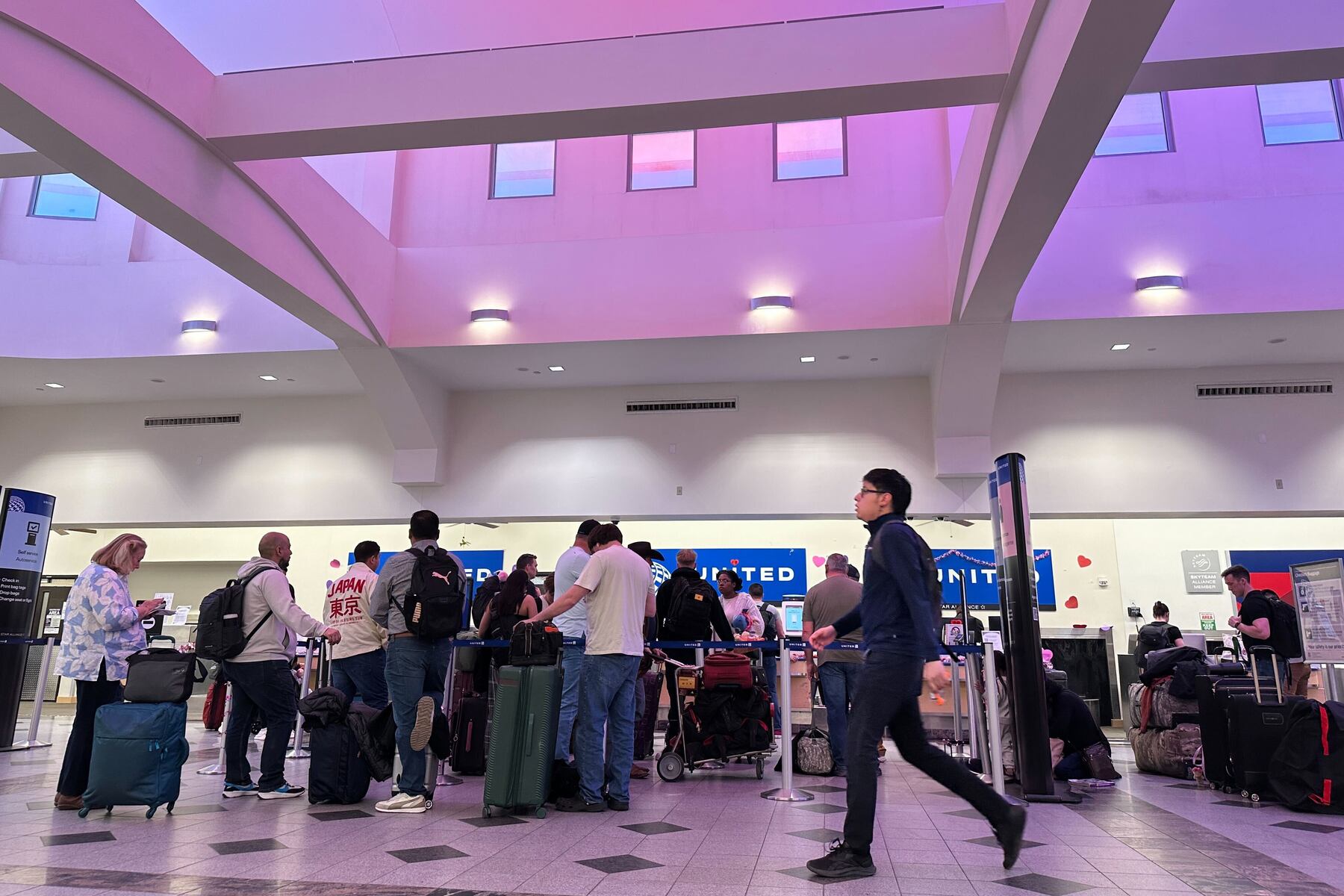
The swift closure of El Paso airspace was particularly unusual for a major airport, which typically remains operational even during security incidents. Travelers lined up at ticket counters and car rental desks, navigating the chaos that ensued. Normal flight operations resumed after the FAA lifted the restriction, following the cancellation of seven arrivals and departures, including some medical evacuation flights.
Transportation Secretary Sean Duffy stated that the airspace closure was a necessary measure to counteract the drone threat, which authorities have increasingly recognized as a serious issue along the U.S.-Mexico border. Rep. Veronica Escobar, whose district includes El Paso, noted that neither her office nor local officials received advance notice of the closure, raising questions about federal communication protocols. She emphasized the need for an explanation regarding the abrupt nature of the incident.
The Pentagon, in response to inquiries, reiterated Duffy’s statement, asserting that the decision was taken in alignment with national security priorities. Rep. Tony Gonzales, representing a district along the Texas-Mexico border, confirmed that drone sightings from cartels have become commonplace. He remarked, “For any of us who live and work along the border, daily drone incursions by criminal organizations are everyday life for us.”
While the FAA has not elaborated on the specifics of the airspace closure, officials acknowledged that cross-border drone activity is a persistent concern. In a report to Congress, Steven Willoughby, deputy director of the counter-drone program at the Department of Homeland Security, indicated that cartel drones are frequently employed to smuggle drugs and conduct surveillance on law enforcement agencies.
Mexican President Claudia Sheinbaum questioned the U.S. explanation regarding the use of drones, asserting that her government had no prior knowledge of such activities. She stated that Mexican defense officials would seek clarity during discussions with U.S. Northern Command.
El Paso serves as a vital hub for cross-border commerce, with Ciudad Juárez, Mexico, located just across the border. The airport facilitates significant travel for residents of both cities, making the sudden airspace closure particularly disruptive. Mayor Renard Johnson criticized the lack of communication from federal authorities, stating that the decisions made “without notice and coordination” pose risks to public safety and create unnecessary confusion.
As airspace restrictions remain a rare occurrence, this incident has drawn scrutiny from various political figures. Sen. Ben Ray Luján of New Mexico indicated he would pursue answers from the FAA and the Trump administration regarding the decision-making process that led to the sudden closure.
The situation underscores the critical need for better coordination between federal agencies, particularly in matters concerning airspace safety. With cross-border issues continuing to evolve, effective communication and collaboration will be essential in addressing the challenges posed by drone activity and ensuring the safety of air travel in the region.