
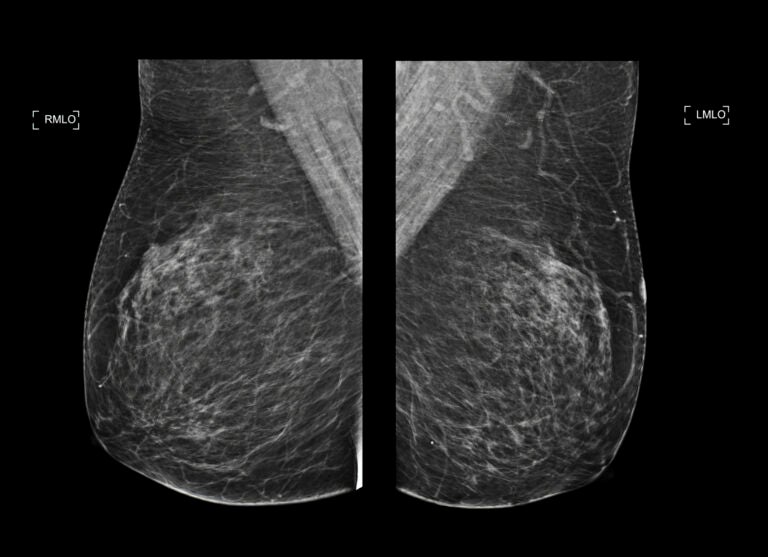
Health professionals in Pennsylvania are expanding the use of mammograms beyond breast cancer screening to detect early signs of heart disease in women. This innovative approach focuses on identifying calcium buildup in the blood vessels of the breast, known as breast arterial calcification (BAC), which can indicate an increased risk of cardiovascular issues.
Traditionally, mammograms are recommended for women starting at age 40 to screen for breast cancer. However, recent research indicates that BAC may also serve as an important marker for heart health. According to Dr. Matthew Nudy, a noninvasive cardiologist and assistant professor at Penn State College of Medicine, evidence now shows that the presence of calcium deposits in breast blood vessels correlates with a higher risk of heart attack and stroke as women age.
The clinical community is optimistic that making patients aware of their BAC levels can enhance overall heart health among women. “If a patient knows that they have a BAC, they may be more in tune with what their blood pressure is,” Nudy explained. “They may be more likely to get medications, and they may be more aware of their health.”
Linking Mammograms and Heart Health
Calcium buildup in arterial walls has long been recognized as a precursor to cardiovascular disease. Medical professionals typically assess heart disease risk through coronary artery calcium scans, a noninvasive imaging technique. However, as Nudy pointed out, mammograms can also reveal calcium deposits in breast blood vessels, which may contribute to stiffer and narrower vessels—both indicators of heart disease.
The advantage of this dual use is that more women over the age of 40 undergo mammograms than coronary artery calcium scans. “It’s already being done for breast cancer screening across large numbers of patients in the population,” Nudy noted.
In August 2023, Jefferson Health facilities in the Greater Philadelphia area began incorporating BAC information into their mammogram reports. A few days prior to a scheduled mammogram, patients receive a flyer detailing BAC, its implications, and the importance of seeking a comprehensive cardiovascular assessment if necessary.
Dr. Jason Shames, assistant professor of radiology at Thomas Jefferson University, emphasized the educational aspect of this initiative, stating it aims to empower patients without adding undue stress to an already anxiety-inducing procedure. “It’s not just a shock and awe, but it’s something that helps provide a positive impact for the patient,” he said.
Innovative Approaches to Cardiovascular Risk
Radiologists review every mammogram for evidence of BAC and inform patients accordingly. This proactive approach allows doctors to connect women with specialists for further heart health evaluations. Jefferson Health, in collaboration with Solis Mammography, has also launched the Mammo+Heart program, which employs artificial intelligence to analyze BAC in mammogram images more comprehensively. This optional service incurs an additional cost but offers deeper insights into heart health.
While the absence of BAC does not eliminate the risk of heart disease, experts believe that identifying BAC via mammograms presents a crucial opportunity for early intervention. Shames remarked, “I think this is one of those pieces of information that is hopefully going to start the conversation,” encouraging patients to engage in discussions about lifestyle changes and health management with their primary care providers.
Research efforts led by Nudy aim to investigate how these BAC notifications might influence women’s health choices. Questions remain regarding whether awareness of BAC will lead to increased medication adherence or healthier lifestyle decisions. “Does that maybe increase statins? Does that mean patients eat healthier or exercise more?” he pondered.
As this innovative approach continues to gain traction, it holds the potential to significantly impact women’s heart health, ultimately leading to fewer heart attacks, strokes, and related fatalities. The integration of BAC assessments into routine mammograms could mark a pivotal moment in preventative healthcare for women, emphasizing the need for a holistic view of health that encompasses both breast and heart health.