
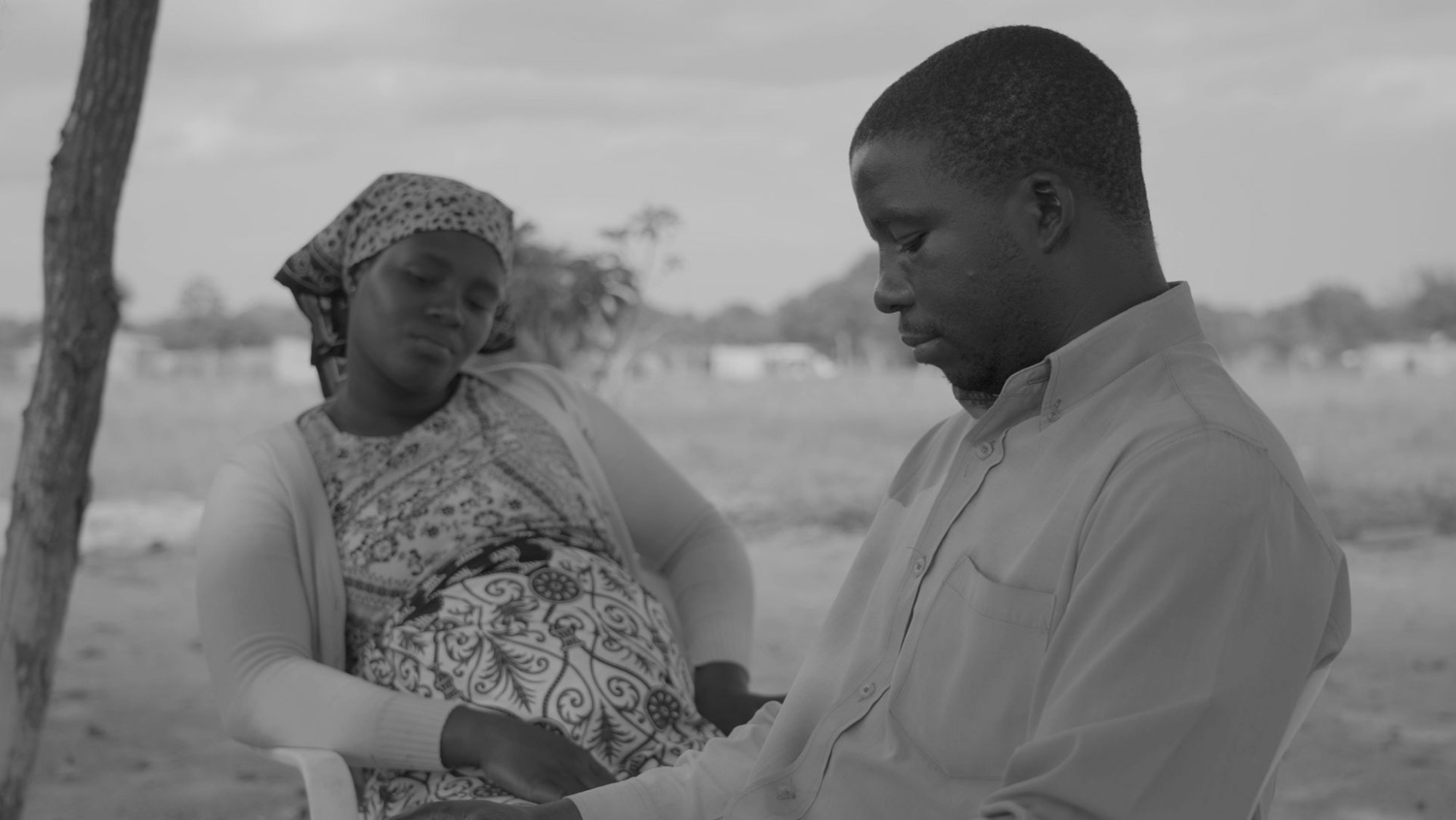
Mozambican writer-director Ique Langa presents his debut feature film, O profeta (The Prophet), which is set to premiere on January 30, 2024, at the International Film Festival Rotterdam (IFFR). The film, notable for its striking black-and-white aesthetic, delves into themes of doubt and spiritual exploration through the lens of a pastor grappling with his faith.
Filmed over a nine-year period in the small town of Manjacaze, Mozambique, the narrative follows Pastor Hélder as he wrestles with his diminishing belief and turns to witchcraft in a desperate attempt to reclaim his connection with the divine. Langa emphasizes the consequences of such choices, stating, “Be careful with the doors you open,” a central idea that resonates throughout the film.
The cast features a mix of non-professional actors, including Admiro De Laura Munguambe, Nora Matavel, and Alexandre Masnado Coana. This choice reflects Langa’s commitment to authenticity and community involvement in the filmmaking process. He explains, “This movie was all done with non-actors. Nobody’s a professional,” highlighting the local experiences that shaped their performances.
Exploring Personal and Cultural Themes
Langa’s connection to the film is deeply personal, rooted in his childhood experiences in the village where the story unfolds. He notes a significant rise in the number of self-proclaimed pastors in Mozambique, many of whom are rumored to possess alternative powers. “I went to visit my aunt one time, and there was one church like that. When I went back two months later, there were three such churches,” he recalled, illustrating the rapid transformation of his community.
The film not only addresses the pastor’s struggles but also touches on broader spiritual themes, including the coexistence of traditional beliefs and Christianity in Mozambique. Langa reflects on the impact of ancestral spirits in local culture, stating, “We have a belief that once someone we love passes away, they become a spirit, and then eventually they become an ancestor.” This adds depth to the narrative, allowing audiences to engage with the complexities of faith and human desire.
The juxtaposition between Pastor Hélder and his wife, who represents a more grounded perspective, creates a compelling dynamic. Langa describes her as “a lot more connected to something profound,” emphasizing her role in anchoring the pastor to his true self amidst the chaos of his spiritual quest.
Aesthetic Choices and Future Aspirations
The decision to shoot the film in black and white was a fundamental aspect of Langa’s vision. He recalls that despite suggestions to use color, the imagery in his mind was always monochromatic. Influenced by directors such as Robert Bresson and Yasujirō Ozu, Langa aims to evoke thought and reflection through the use of silence and visual pauses.
The film’s aesthetic draws from various sources, including the work of renowned Mozambican artist Malangatana Ngwenya. Langa emphasizes a collaborative approach, stating, “We found [the aesthetic] as a collective.” This collaboration extended beyond the visual style to the storytelling itself, incorporating local traditions and experiences.
As he prepares to unveil O profeta, Langa reflects on the emotional journey of its creation, noting the loss of two cast members during production. “I think those experiences affected some of the energy of the story as well,” he said, highlighting how their memories are integrated into the film.
Looking ahead, Langa is already working on his next project, titled Chapa 100, which focuses on the lives of aging street vendors in Maputo, the capital city of Mozambique. He describes it as a magical story about an older couple meeting later in life, showcasing his commitment to exploring the nuances of human relationships.
As Ique Langa prepares for the premiere of O profeta, he is excited to share this personal and culturally rich narrative with global audiences. “It’s been a long, long journey of nine years,” he reflects, eager to see how viewers will engage with the themes of faith, doubt, and the quest for understanding.