
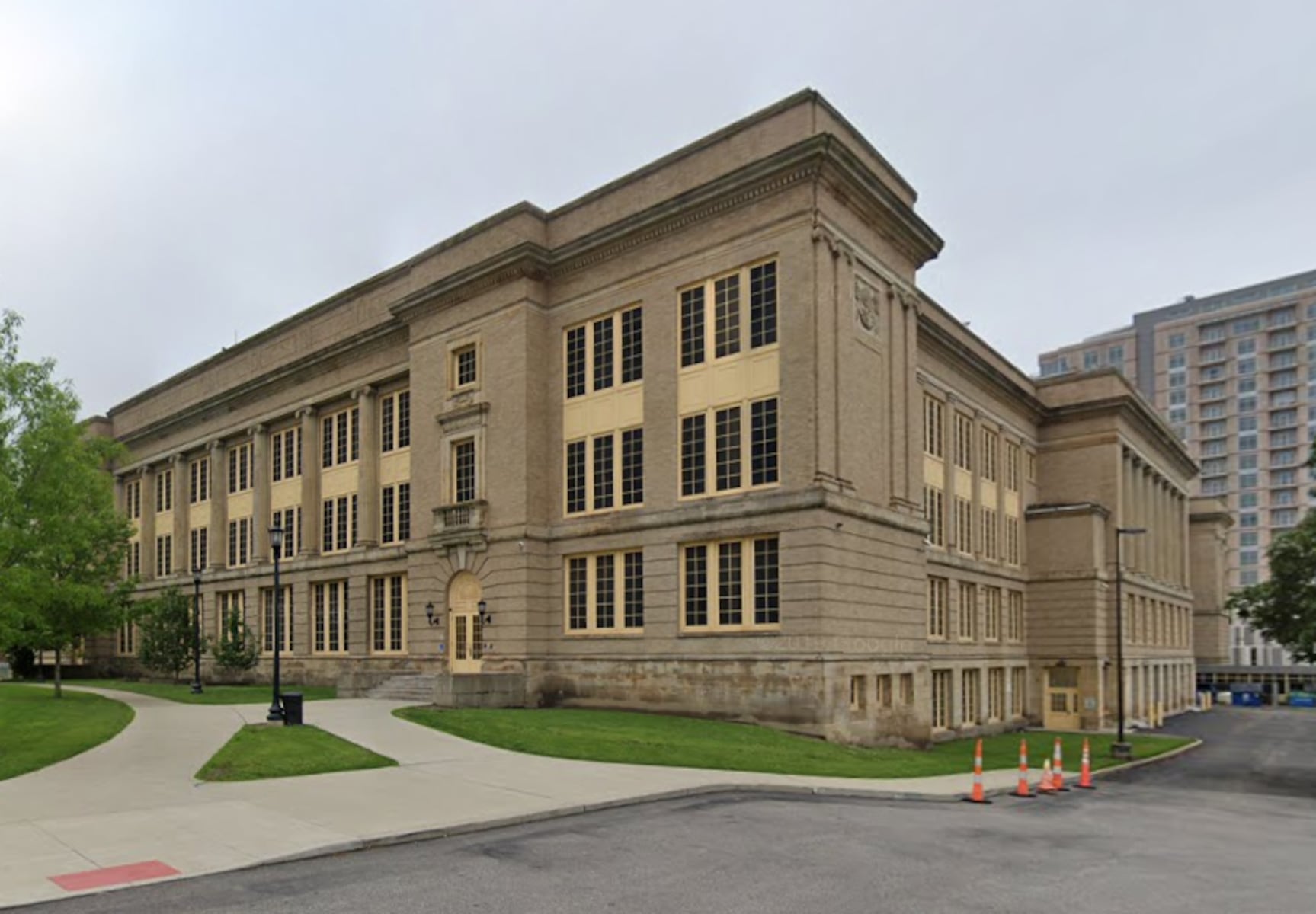
Public schools in Cleveland are at the center of a heated discussion regarding the separation of church and state after Pastor R.A. Vernon of The Word Church spoke at several high schools within the Cleveland Metropolitan School District. This month-long speaking tour has elicited mixed reactions from students, parents, and educators, reigniting concerns over the role of religion in public education.
The principle of separation of church and state is enshrined in the First Amendment of the United States Constitution, which guarantees the freedom of religion. This tenet asserts that the government should neither endorse nor impede religious beliefs. As such, public institutions, including schools, are expected to maintain a neutral stance on religious matters. Yet, the influence of faith-based organizations in public life remains a recurring topic, particularly in Ohio.
In recent years, the Center for Christian Virtue has gained significant traction in the Ohio Statehouse, advocating for legislation that aligns with its religious views. These include proposals aimed at limiting transgender rights and increasing public funding for private education through scholarships. A notable recent development is the passage of a bill in the state Senate that permits the display of the Ten Commandments in public school classrooms, further blurring the lines between religious expression and state endorsement.
Pastor Vernon’s engagement in local high schools has raised questions about the appropriateness of religious leaders addressing students in public settings. Critics argue that such actions could infringe on the principles of religious neutrality that public schools are meant to uphold. Conversely, supporters believe that Vernon’s messages of hope and inspiration can benefit students, especially in challenging times.
Amid this debate, various stakeholders are weighing in. Some parents express concern that inviting a pastor to speak in schools may lead to an implicit endorsement of specific religious beliefs, potentially alienating students of diverse faiths or those who identify as non-religious. Others assert that fostering dialogue about faith can be an enriching experience for students, encouraging them to explore different perspectives.
As discussions continue, it is evident that the intersection of education and religion is a sensitive issue in Cleveland and beyond. The legislative landscape in Ohio is evolving, with increasing attention on how public institutions navigate these boundaries.
The implications of Pastor Vernon’s speaking engagements, coupled with recent legislative actions, will likely continue to shape the conversation around church-state separation in the region. As educational institutions strive to provide inclusive environments, the challenge remains to balance respect for religious expression with adherence to constitutional principles.
In other news from Cleveland, local developments include the city’s plans to hire a new Community Development Director following a significant loss in grant funding, and the upcoming Cleveland Auto Show which will showcase hundreds of vehicles at its final event at the I-X Center. Additionally, a new bill is under consideration that would allow for voluntary firearm access restrictions as a suicide prevention measure, reflecting ongoing discussions about public safety and mental health in the state.
As the dialogue surrounding religion in public schools unfolds, Cleveland residents remain engaged in a broader conversation about the values and principles that should guide their community and its institutions.