
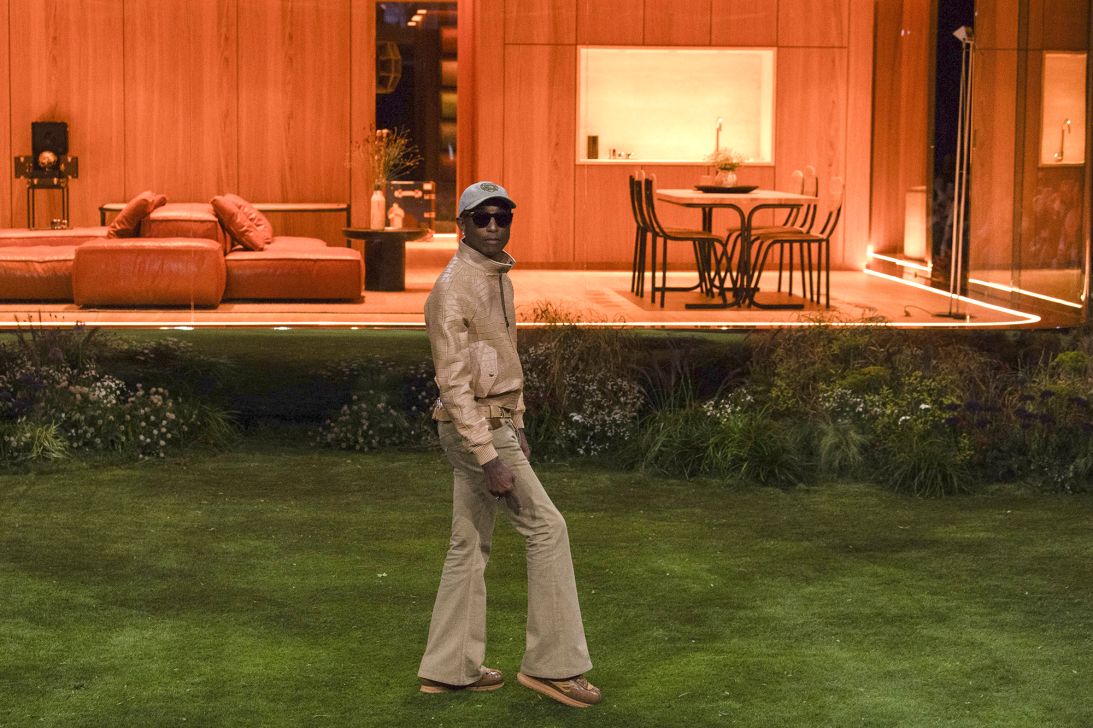
Paris Men’s Fashion Week has once again spotlighted the evolving landscape of men’s fashion, pushing boundaries and challenging traditional notions of masculinity. This year, designers showcased collections that include daring pieces such as midi skirts and vibrant hues like burnt orange, dusty pink, and magenta. The presentations set the stage for a potential shift away from the neutral tones that have dominated men’s wardrobes in recent years.
Redefining Masculinity Through Fashion
The debate surrounding masculinity and fashion gained traction in late 2025 after a $168 pink sweater from J.Crew became a flashpoint for discussions on gender expression. Conservative commentator Juanita Broaddrick ignited controversy with a post on X, questioning the appropriateness of such a color for men. Reactions ranged from outright dismissal to claims of “feminization” of men.
In contrast, the latest offerings from Paris suggest a different narrative. Designers from various backgrounds, including Ryota Iwai of Auralee, Amiri from Los Angeles, and the luxury brand Louis Vuitton—led by creative director Pharrell Williams—are advocating for a more inclusive approach to menswear. By incorporating bold colors and unconventional silhouettes, they are redefining what it means to dress as a man.
Fashion’s Response to Cultural Norms
The Paris catwalks reveal a stark contrast to the sentiments found in certain online communities, often referred to as the “manosphere,” where traditional values and gender roles are staunchly upheld. Many influencers within these circles have openly criticized trends that deviate from established masculine norms. Yet, the push for a more fluid and inclusive fashion ideology is gaining momentum, evident not only on the runways but also on red carpets. Male celebrities like Harry Styles and Alexander Skarsgård have embraced styles that defy traditional gender boundaries.
The question remains whether fashion should cater to everyday practicality or challenge the status quo with avant-garde designs. For many years, the industry has witnessed a gradual shift away from rigid heteronormative standards, embracing diversity and expression. Yet, the backlash against items like the pink sweater underscores the ongoing tension between progressive fashion and traditional masculinity.
As fashion continues to evolve, the industry faces the challenge of appealing to a wide range of consumers. For those who remain hesitant to adopt more unconventional styles, options remain available. Traditional menswear continues to flourish alongside experimental pieces, allowing for personal expression within the confines of established norms.
As the Fall-Winter 2026 collections unfold, the juxtaposition of avant-garde and conventional offerings will likely spark further discussions on the future of men’s fashion and masculinity itself.