
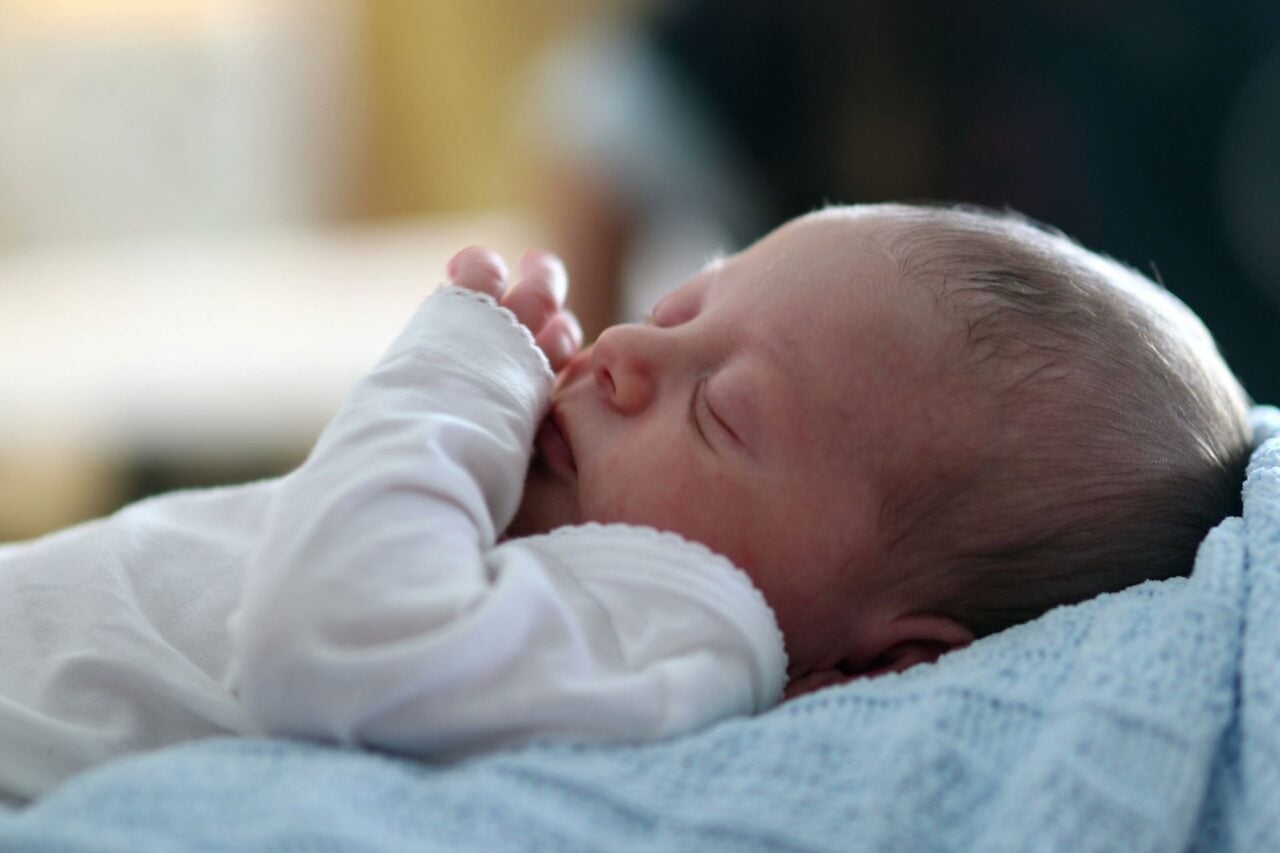
A growing number of parents in the United States are opting out of administering a crucial vitamin K injection to their newborns, according to new research from The Children’s Hospital of Philadelphia (CHOP). This trend raises significant health concerns, as vitamin K plays a vital role in preventing severe bleeding in infants.
Researchers analyzed the medical records of approximately 5 million newborns from 2017 to 2024 and found that the percentage of infants not receiving the vitamin K injection increased from 2.92% in 2017 to 5.18% in 2024, marking a 77% relative increase. This data, published in the journal JAMA, indicates a concerning shift in parental attitudes towards this important health intervention.
Understanding the Importance of Vitamin K
Vitamin K is essential for the production of proteins that help blood clot. While dietary sources and gut bacteria provide some vitamin K, newborns have notably low levels at birth. Breast milk usually does not contain sufficient vitamin K, leading to the risk of a rare but serious condition known as vitamin K deficiency bleeding (VKDB). This condition can be life-threatening, especially if it occurs in the brain, potentially resulting in a stroke.
Since 1961, health organizations, including the American Academy of Pediatrics, have recommended that all newborns receive a single intramuscular dose of vitamin K shortly after birth. This practice has virtually eliminated the risk of VKDB in infants across the United States. Nevertheless, the recent study reveals a worrying decline in compliance, as more parents choose to refuse this preventative measure.
Factors Influencing Parental Decisions
The reasons behind the increasing refusal of vitamin K remain unclear. The researchers noted that there have been no significant changes in medical guidelines that might explain this trend. One possibility is that the COVID-19 pandemic has contributed to a general mistrust of public health recommendations. The pandemic has amplified the influence of the anti-vaccination movement, which has spread misinformation regarding vaccines and other medical interventions.
Interestingly, the rate of vitamin K refusal began to rise before the pandemic in 2019, suggesting that other factors may also be at play. Some parents may be mistakenly equating vitamin K shots with vaccines, leading to hesitancy about both. This overlap could indicate a broader skepticism towards medical recommendations among certain groups.
Lead author and neonatologist Kristan Scott expressed concern about the implications for affected infants, stating, “Unfortunately, opting out of vitamin K for a newborn is akin to gambling with a child’s health, forgoing a straightforward and safe measure that effectively prevents severe complications.”
This trend is part of a larger pattern of declining vaccine acceptance and other health recommendations in the U.S. Last week, a government-organized advisory panel led by health secretary Robert F. Kennedy Jr. rejected a long-standing recommendation for universal hepatitis B vaccination at birth, further highlighting the evolving landscape of public health measures.
As parents navigate their choices for their newborns, the implications of refusing essential health interventions like vitamin K could have serious consequences. The medical community continues to advocate for informed decisions based on established health guidelines to ensure the safety and well-being of infants.