
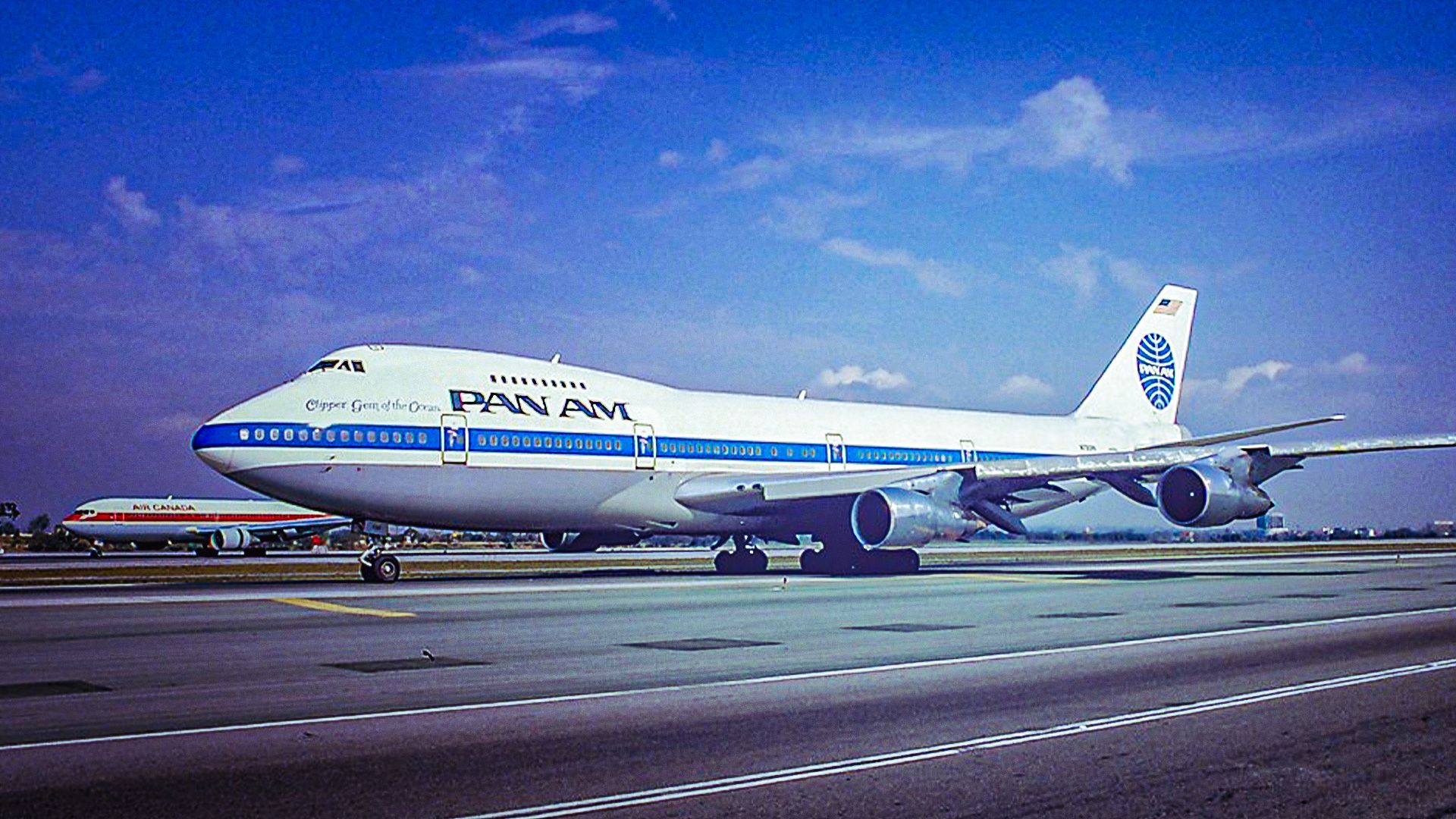
The iconic Pan American World Airways, commonly known as Pan Am, ceased operations on December 4, 1991, marking the end of an era in American commercial aviation. Once hailed as the flagship airline of the United States, Pan Am blazed trails in long-haul routes and the jet age, but struggled to adapt to a rapidly changing industry landscape.
Pan Am’s decline can be traced back to a series of financial challenges and external pressures. After the deregulation of the U.S. airline industry in 1978, competitors with extensive domestic networks could easily funnel passengers into international flights. This left Pan Am vulnerable, as it lacked the necessary infrastructure to support its extensive global operations. A failed attempt to acquire National Airlines in 1980 only compounded its financial issues, leading to significant debt.
The airline’s troubles intensified with the 1988 Lockerbie bombing, which severely damaged its reputation. This tragedy, along with the 1990-1991 Gulf crisis that drove fuel prices up, placed additional strain on its finances. After filing for Chapter 11 bankruptcy protection in January 1991, Pan Am attempted a turnaround by selling off key assets, including parts of its transatlantic operations to Delta Air Lines. Despite these efforts, the airline could not regain stability and ultimately ceased operations.
From Humble Beginnings to Global Leader
Founded in 1927 as a small airmail service, Pan Am quickly evolved under the leadership of Juan Trippe. The airline expanded its reach, launching scheduled commercial flights between Key West, Florida, and Havana, Cuba. By the 1930s, it was already a dominant force in Latin America and began pioneering long-distance flights using “Clipper” flying boats.
Pan Am’s innovative spirit was evident as it adopted the Boeing 707 in the 1950s, helping to usher in the jet age. The airline became synonymous with modern international travel, operating a vast network that connected cities across continents. By the late 1960s and early 1970s, Pan Am was at its peak, operating 150 jets and serving 86 countries. The blue globe logo became a symbol of international travel, and Pan Am’s luxurious service set the standard for the industry.
The airline’s ability to adapt to new technologies, such as the introduction of the Boeing 747 in 1970, solidified its reputation as a leader in aviation. This aircraft transformed international travel into a more accessible experience for ordinary passengers. Onboard, Pan Am offered a comprehensive travel experience, complete with lounges and uniformed service, making it feel like an extension of American diplomacy.
The Challenges of a Changing Industry
Despite its illustrious past, Pan Am faced mounting challenges as the airline industry evolved. The deregulation era shifted the financial dynamics, favoring airlines with robust domestic networks. Lacking such support, Pan Am struggled to maintain profitability. Its high fixed costs, associated with international operations and premium services, further complicated its financial situation.
The airline’s reliance on asset sales and short-term financing to bridge gaps ultimately reduced its strategic flexibility. After the oil shocks of the early 1970s, Pan Am’s financial health deteriorated. The NATIONAL AIR AND SPACE MUSEUM notes that by the time of its bankruptcy, Pan Am had a fleet of 226 aircraft and served 87 countries, but its operational capacity was severely compromised.
The final blow came in 1991, following the reputational hit from the Lockerbie bombing and the subsequent financial mismanagement. The airline’s plan to streamline operations around Miami International Airport was insufficient to recover from its mounting losses. After a brief attempt to relaunch services, Pan Am ended operations, leaving thousands of employees without jobs and its routes to be absorbed by competitors.
Pan Am’s legacy may be one of caution, illustrating the perils of debt and the importance of adaptability in business. Its pioneering spirit and contributions to international travel remain influential, shaping the modern aviation landscape.
As discussions continue about the potential revival of the Pan Am brand, its impact on commercial aviation is undeniable. The airline not only set the stage for the growth of international air travel but also contributed to the establishment of standards in service and safety that persist to this day. Even in its absence, Pan Am remains a significant chapter in the history of global aviation, symbolizing both innovation and the challenges of a rapidly changing industry.