
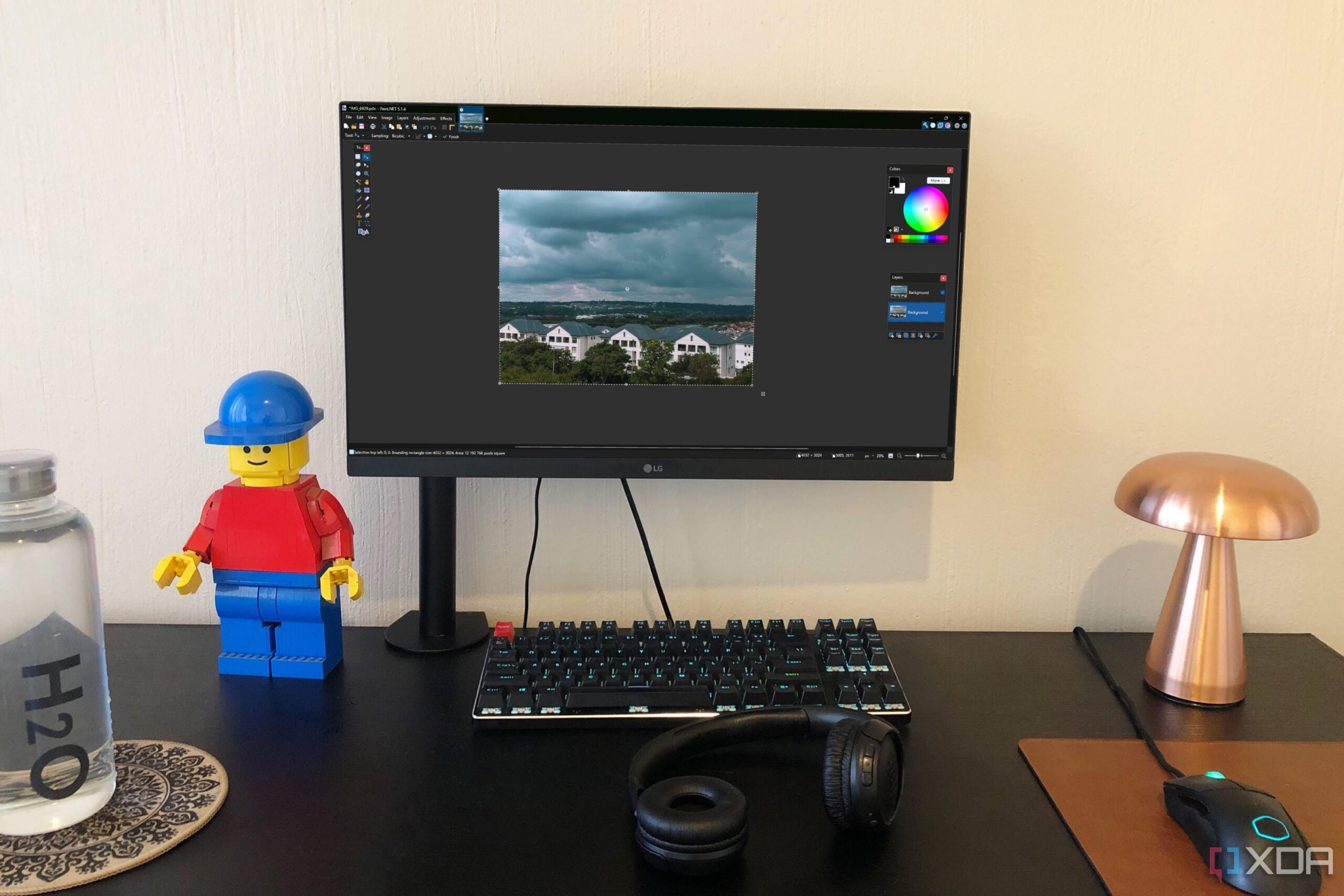
URGENT UPDATE: The free graphics tool Paint.NET is gaining significant attention as an accessible alternative to Adobe Photoshop, particularly among casual users and those seeking a simpler editing experience. With its intuitive interface and robust functionality, Paint.NET is rapidly becoming the go-to solution for users who want powerful editing capabilities without the hefty price tag of $20.99 per month for Photoshop.
New reports indicate that Paint.NET’s user base is expanding, attracting those who previously relied on complex software like GIMP or Affinity Photo. Many users are excited to discover that Paint.NET is not just a basic tool but offers advanced features that allow for sophisticated image manipulation, including layering, opacity adjustments, and a variety of effects such as blur and red-eye removal.
Why does this matter NOW? In a world where digital content creation is booming, having access to user-friendly yet powerful graphic tools is essential. Paint.NET, often overlooked, is proving to be a viable option for social media managers, content creators, and graphic design beginners who want to enhance their work without breaking the bank.
Paint.NET stands out with its ability to create and blend layers, mimicking some of the core features of Photoshop. Users can quickly flip, rotate, and apply effects to images, making it perfect for those working on social media content or personal projects. The application launches almost instantly, allowing users to edit photos without the hassle of navigating through complicated menus.
Additionally, Paint.NET boasts an active community that contributes various plugins to enhance its functionality. Users can easily download plugins that support features like PSD file compatibility, allowing them to work with files from Photoshop without needing to purchase the software. This flexibility is a game-changer for those who want to utilize advanced editing features without the complexities of professional-grade software.
However, Paint.NET is not without its limitations. As of now, it lacks advanced AI tools like the Generative Fill feature popularized by Photoshop. Users seeking a non-destructive editing workflow may find the current setup challenging, as it requires duplicating image layers to preserve original content.
Despite these drawbacks, Paint.NET’s strengths lie in its simplicity and depth, appealing to beginners and semi-professionals alike. Users who have previously relied on basic tools like Microsoft Paint are finding Paint.NET to be a refreshing upgrade, offering a powerful alternative without overwhelming complexity.
As discussions around graphic editing software intensify, Paint.NET is finally carving out its niche. While tools like GIMP and Affinity Photo receive much attention, Paint.NET deserves recognition for its user-friendly approach and robust capabilities.
For those looking to make a switch to a graphics tool that offers substantial features without a pricey subscription, Paint.NET should definitely be on your radar. Its rising popularity underscores a growing demand for accessible, effective editing solutions in the digital age.
Stay tuned for more updates as Paint.NET continues to evolve and gain traction among users worldwide.