
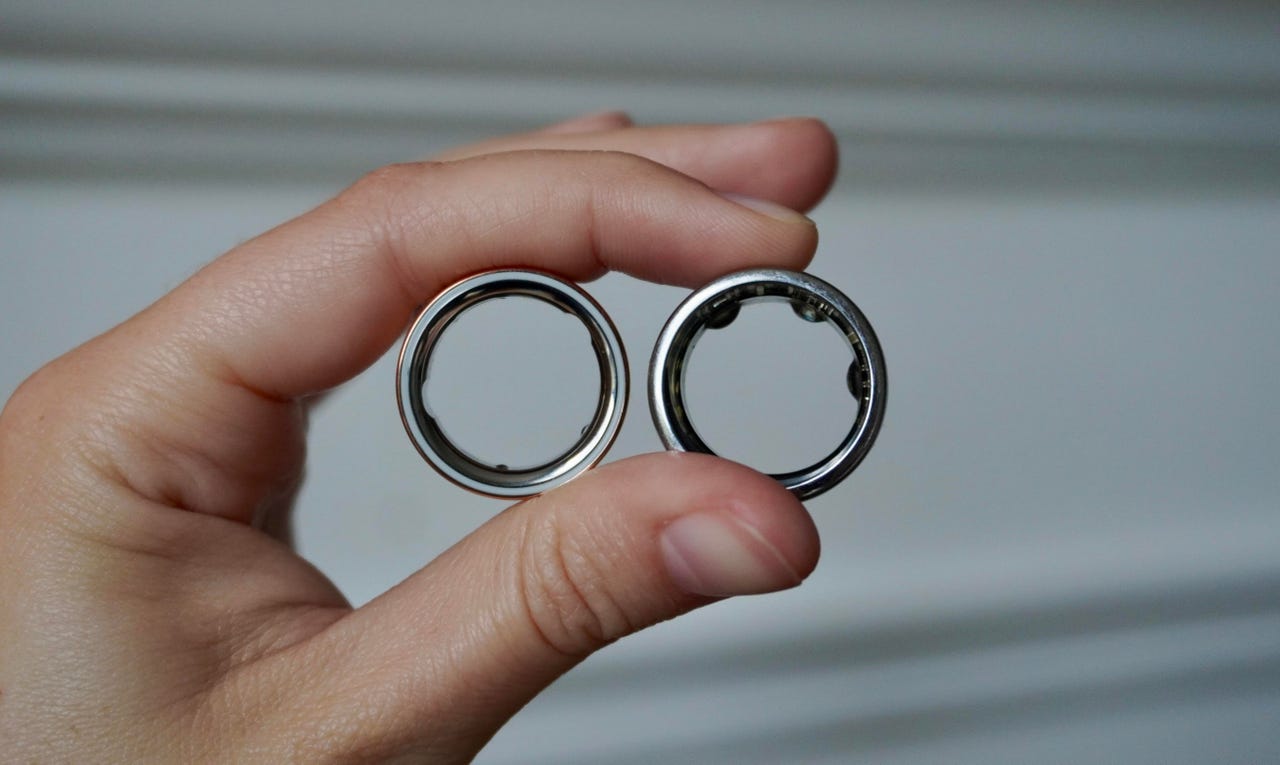
The launch of the Oura Ring 4 has prompted significant interest among consumers looking to track their health metrics. The new model features enhanced capabilities and comfort compared to its predecessor, the Oura Ring 3. As the Oura Ring 3 is now available at discounts of up to $200, potential buyers face the decision of whether to invest in the latest version or opt for the more affordable older model.
Comparing Features and Comfort
One of the standout improvements in the Oura Ring 4 is its advanced smart sensor technology. This new model utilizes 18 signal pathways for data collection, significantly more than the eight pathways found in the Oura Ring 3. This upgrade not only enhances data accuracy but also contributes to a more comfortable fit. The sensors in the Oura Ring 4 are designed to recede into the ring itself, eliminating the raised domes that users of the Oura Ring 3 found uncomfortable.
Having tested the Oura Ring 3 for eight months, I noted that the protruding sensor domes often left indentations on my skin. In contrast, the Oura Ring 4’s flatter design provides a noticeably lighter wear, making it suitable for individuals sensitive to the bulkiness of health trackers. This aspect is particularly important for those who prefer a less constrictive accessory.
Another significant upgrade in the Oura Ring 4 is its sizing options. The earlier model offers sizes ranging from six to 13, while the new version expands this range to sizes four through 15. This broader selection enables more users to find a suitable fit, potentially increasing its market appeal.
Battery Life and Software Updates
Both the Oura Ring 3 and Oura Ring 4 feature impressive battery life. The third generation offers up to seven days of use, although users often report a typical duration of about four days. The newer model claims a maximum battery life of eight days, with my testing yielding around five and a half days. For those who prefer not to charge their devices daily, the Oura Ring 4 presents a more convenient option, while the Oura Ring 3 may suffice for users willing to charge their ring regularly.
Despite the advancements in the Oura Ring 4, many software features have been made available to the Oura Ring 3 following updates. These features include automatic heart rate monitoring during workouts and enhancements to the Oura app that allow users to log meals, track workouts, and monitor their physiological stress levels with ease. The inclusion of these updates means that existing Oura Ring 3 users can still benefit from many of the functionalities of the newer model without needing to upgrade.
Currently, the Oura Ring 3 is available for approximately $200, a considerable reduction from its original price, making it an attractive option for budget-conscious consumers. In contrast, the Oura Ring 4 starts at $350 with a monthly subscription fee of $6 to access all features. If you are already using an Oura Ring 3 and do not mind the bulkier design, the need to switch to the Oura Ring 4 may not be necessary.
For those new to Oura’s offerings, the decision between the two rings hinges on personal preferences regarding comfort, size, and budget. The Oura Ring 4 may be ideal for individuals seeking a sleeker design and improved features, while the Oura Ring 3 still holds value for those who prioritize cost and functionality.
Alternatives such as the Samsung Galaxy Ring and the Ultrahuman Ring Air also warrant consideration. The Samsung Galaxy Ring integrates seamlessly with the Samsung Health app and boasts a seven-day battery life. In contrast, the Ultrahuman Ring Air offers a subscription-free model compatible with both Android and iOS devices, appealing to users looking for flexibility.
Ultimately, the choice between the Oura Ring 3 and Oura Ring 4 will depend on individual needs and preferences.