
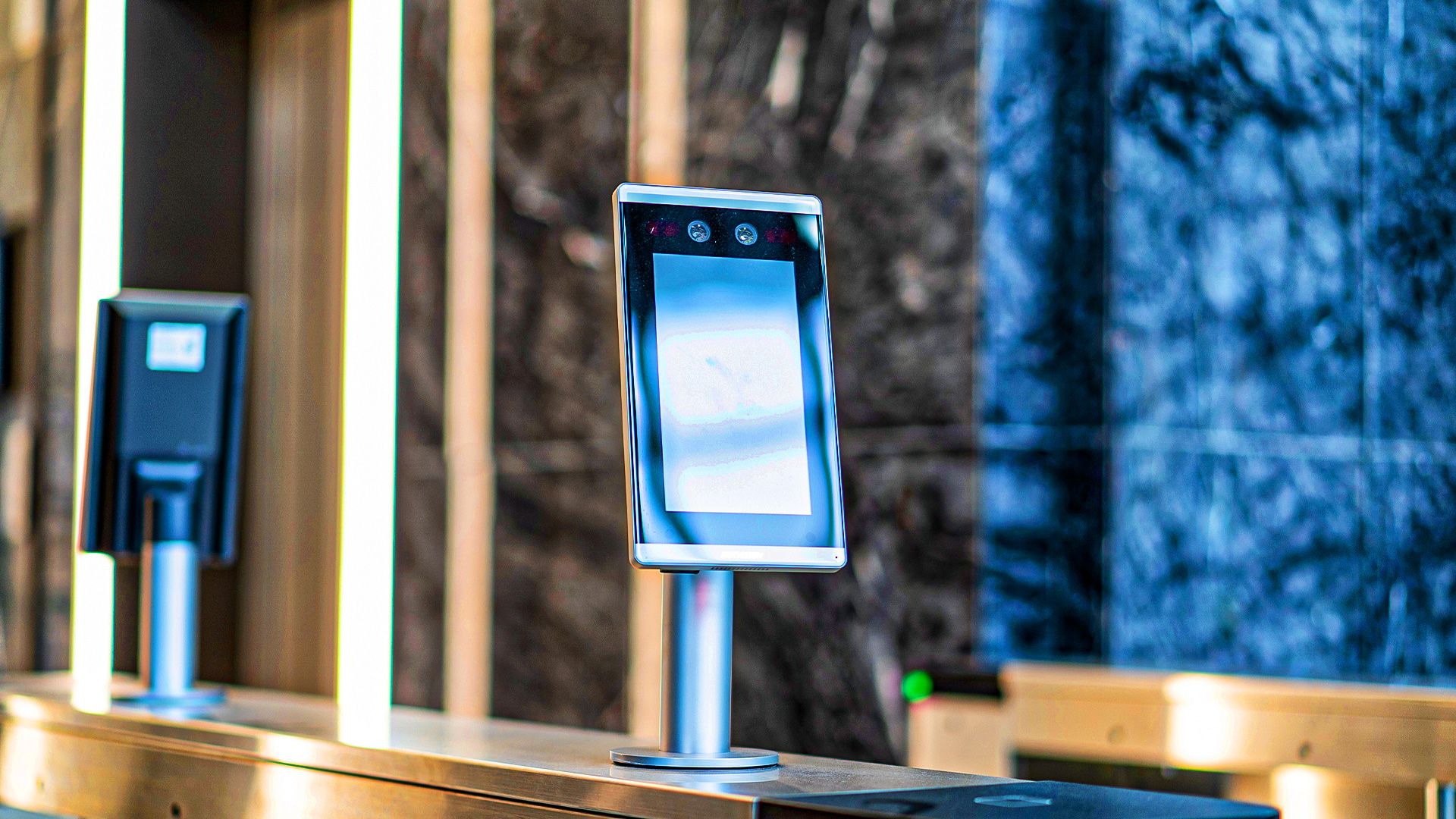
Orlando International Airport (MCO) is now piloting a groundbreaking facial recognition technology designed to streamline international travel. As part of a 90-day program, travelers can pass through select international gates without presenting their passports or boarding passes. The system, which matches live facial images against government identity records, aims to enhance efficiency and reduce congestion at one of the United States’ busiest airports.
Officials at Orlando International Airport have described this pilot as a significant step in modernizing the travel experience. Passengers moving through the designated corridors are met with a series of cameras that capture their faces and verify their identities within seconds. This innovation is not just about convenience; it addresses the growing need for efficient processing as international travel continues to rebound post-pandemic.
How Facial Recognition Enhances Travel Efficiency
The technology being tested relies on advanced biometric scanning. When travelers approach the departure gates, cameras capture their facial images, which are instantly compared to stored passport records. This system eliminates the traditional document checks, effectively saving time during peak travel periods. With an estimated 57 million passengers expected to pass through Orlando’s terminals this year, the airport’s leadership sees biometric boarding as a solution to alleviate stress and enhance the passenger experience.
The pilot program will involve multiple biometric systems and is not simply a demonstration. Instead, it aims to evaluate performance under real-world conditions. Airport officials are keen to expand this technology to other checkpoints, including baggage drop-off and security lanes, making the overall travel experience more seamless and touchless.
Global Trends in Airport Biometric Systems
The initiative at Orlando International Airport is part of a larger global trend towards automated border controls and digital identification systems. Major international airports are adopting similar technologies to manage increasing passenger volumes while adhering to safety standards. Programs like India’s Digi Yatra and SmartGate in Australia and New Zealand exemplify this shift, facilitating faster processing through facial recognition.
Despite the potential benefits, the implementation of facial recognition technology in airports raises significant privacy and civil liberties concerns. Advocacy groups warn that widespread use could lead to invasive data collection practices, emphasizing the need for stringent regulations. Critics also highlight disparities in accuracy across demographic groups, which could lead to biased outcomes in identity verification.
Lawmakers in the United States are examining the adequacy of current legal frameworks governing biometric data usage. Some bipartisan proposals seek to limit the extent of biometric screening at airports and bolster travelers’ rights to opt out of these systems. In response, airport authorities and technology vendors assert that modern systems are designed with high accuracy rates and robust data protection measures.
As the pilot program unfolds, it will not only assess the technical reliability of the systems but also address operational aspects such as staffing, signage, and error management. The outcome will shape the future of identity verification in air travel, potentially transforming how travelers navigate airports.
The broader implications of this technology could redefine air travel, enabling passengers to confirm their identities with a mere glance. With airlines and airports eager to reduce bottlenecks and operational costs, the adoption of biometric technologies stands to enhance overall efficiency in the face of rising passenger numbers.
In conclusion, while the promise of faster, more efficient travel through facial recognition technology is enticing, it is essential to strike a balance between innovation and privacy concerns. As airports like Orlando lead the way in this transformation, the coming years will be pivotal in determining how biometrics integrate into global travel practices, shaping the future of how we fly.