
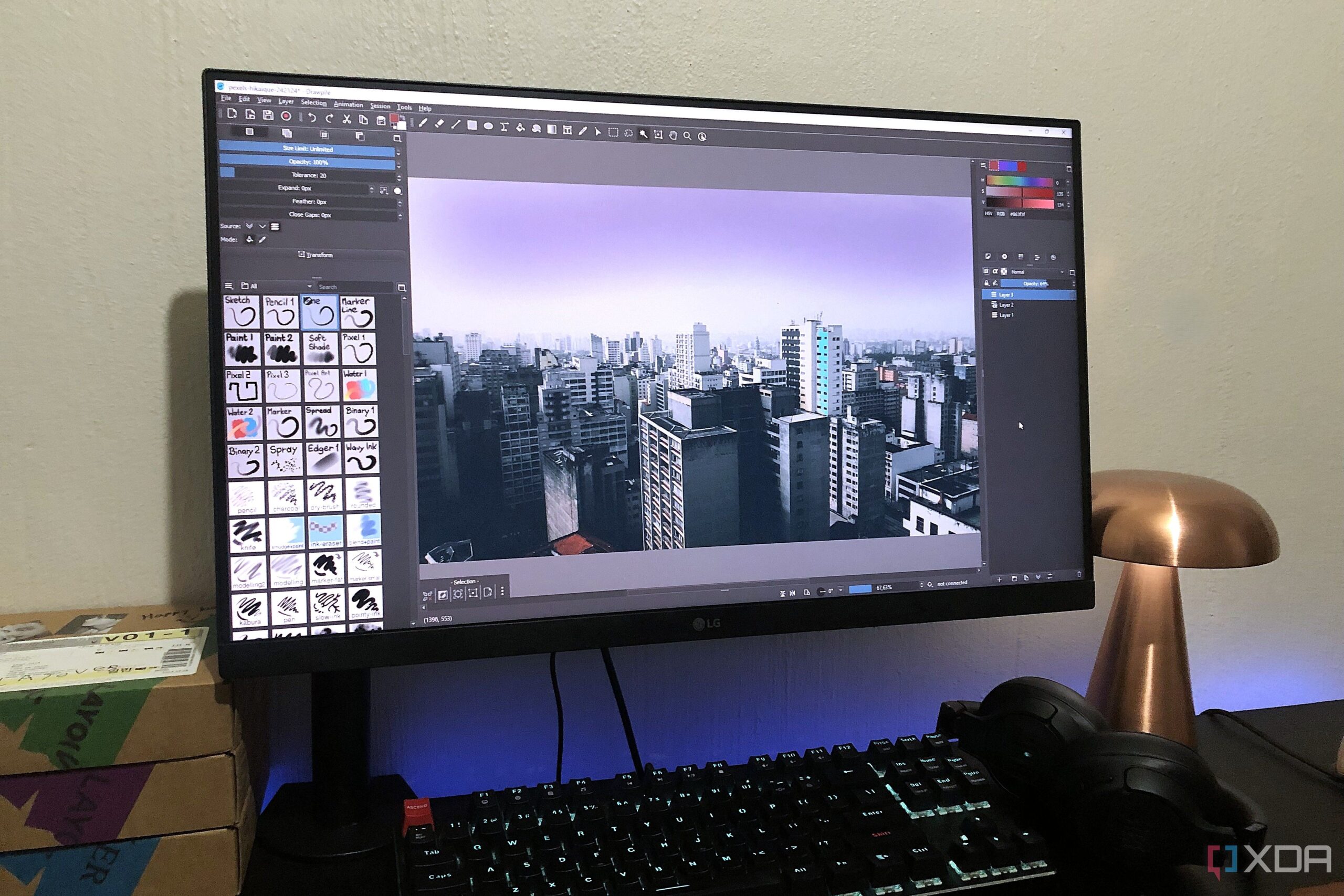
URGENT UPDATE: A new open-source graphics tool, Drawpile, is making waves as a compelling alternative to Adobe’s suite of products, including Photoshop. Users are discovering that Drawpile is not just a digital drawing app but also a robust photo editor, offering features that challenge the dominance of traditional paid software.
Just announced, Drawpile’s capabilities are turning heads as more creators and teams explore this free option. With no monthly fees, users are canceling their Adobe subscriptions, driven by the need for an accessible yet powerful tool. With many graphics applications on the market, Drawpile stands out by allowing multiple users to collaborate in real-time, making it ideal for both solo projects and team environments.
What is Drawpile? Launched as a free and open-source raster graphics application, it is available on Windows, macOS, Linux, and Android (via F-Droid). It offers a portable version and a web-based option, ensuring accessibility across devices, including Chromebooks. This flexibility makes Drawpile a go-to for anyone seeking an intuitive yet comprehensive drawing and editing solution.
The user interface of Drawpile features a diverse array of brushes, surpassing even Adobe’s basic offerings. Users can create textures and apply colors seamlessly, akin to the experience provided by popular apps like Krita. While Drawpile does not include advanced features like HSL sliders or dedicated photo filters, its user-friendly tools are sufficient for casual editing and creative projects.
Importantly, Drawpile supports various file formats, including PSD, JPEG, PNG, and OpenRaster, allowing for easy integration with other applications. The innovative Record feature captures screen recordings of user projects, providing a unique way to review collaborative work.
However, users should be aware of some limitations. Although Drawpile excels in many areas, it lacks features like version history and non-destructive editing, which may deter professionals accustomed to Adobe’s robust functionalities. Nevertheless, the absence of monthly fees and the software’s lightweight nature make it an appealing option for those on a budget.
As more users share their experiences, Drawpile is rapidly gaining traction, pushing the narrative that quality graphics tools do not have to come with a price tag. The digital art community is buzzing, encouraging creators to explore this alternative before committing to expensive subscriptions.
In conclusion, the emergence of Drawpile highlights a significant shift in the digital art landscape. As creators seek affordable and effective tools, Drawpile is positioned as a game-changer in the open-source realm. The demand for alternatives to Adobe is growing, and Drawpile is at the forefront, inviting users to experience its capabilities for themselves.
Stay tuned for more updates as this story develops and the impact of Drawpile continues to unfold across the creative community.