
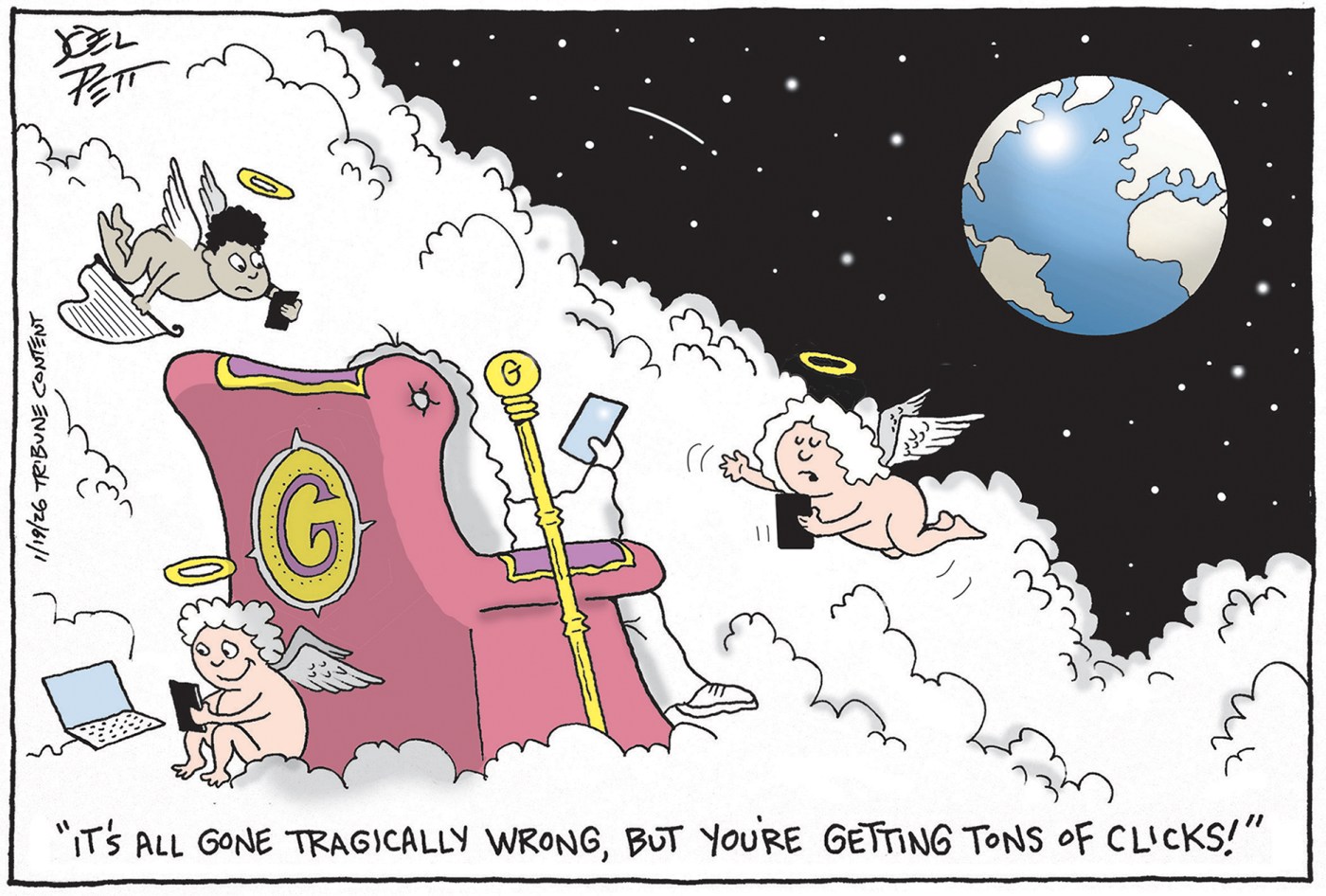
The rise of sensationalist narratives surrounding the potential end of the world has become a significant source of online engagement. Editorial cartoons and commentary are increasingly critiquing the way digital publishers capitalize on fears related to climate change and natural disasters, leading to a cycle of clickbait that often prioritizes views over factual reporting.
Social media platforms play a crucial role in this phenomenon. Users regularly share content that exaggerates the severity of environmental crises, leading to widespread misinformation. This trend raises questions about the responsibility of digital content creators and the ethics of prioritizing clicks over accuracy.
Impact of Clickbait on Public Perception
According to a study published by the *Reuters Institute for the Study of Journalism* in September 2023, sensational headlines can lead to a distorted understanding of the realities surrounding climate change. The research highlights that stories framed as apocalyptic often attract more attention, despite containing minimal factual basis. This has led to a public that is increasingly anxious about global issues but poorly informed about the actual data.
The implications of this trend are far-reaching. As the public’s trust in media continues to wane, the responsibility lies with both publishers and consumers to seek out credible information. The challenge is compounded by the fact that sensationalism often overshadows more nuanced discussions about climate action and resilience.
Reactions from Experts and the Public
Experts in environmental science express concern over the potential backlash from such narratives. Dr. Emily Carter, a climate scientist at the *Global Climate Institute*, states, “While it is essential to highlight the urgency of climate issues, misrepresenting facts can lead to desensitization or hopelessness among the public.”
Public sentiment reflects a growing frustration with clickbait culture. Many users have taken to platforms like Twitter to voice their discontent, urging for more responsible journalism that prioritizes truth over sensationalism. This movement emphasizes the need for media literacy, encouraging audiences to critically evaluate the information they consume.
As the conversation around these issues continues to evolve, the role of editorial cartoons proves significant. They serve as both a critique and a reflection of society’s anxieties, prompting viewers to reconsider the information they engage with. Ultimately, fostering a culture of accountability among content creators and consumers will be essential in addressing the challenges posed by clickbait narratives surrounding the end of the world.