
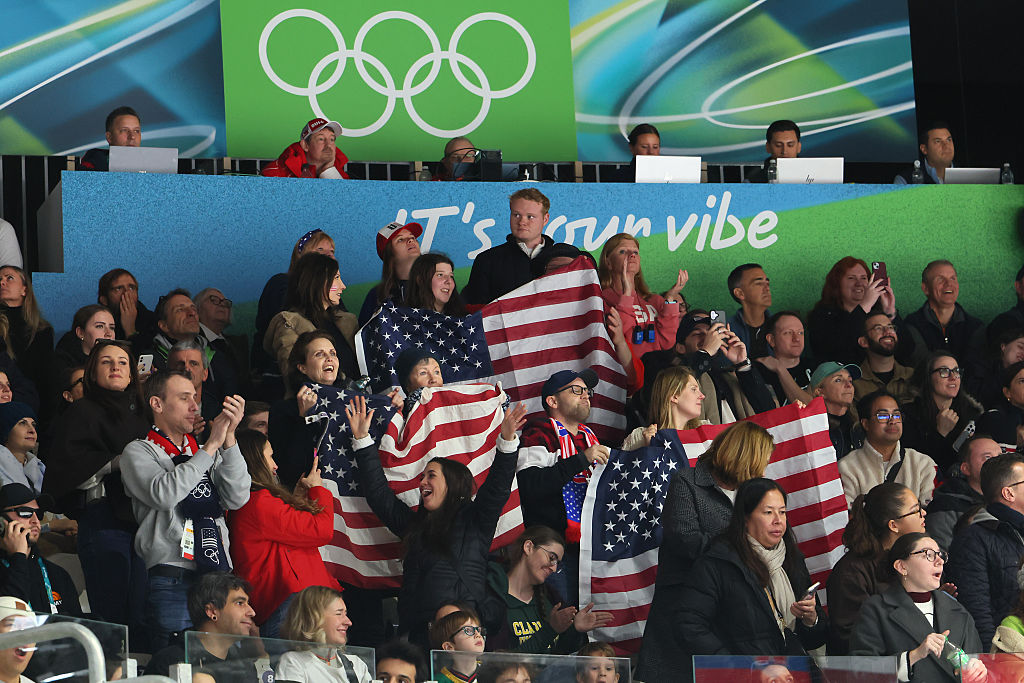
As the 2026 Winter Olympics prepare for their Opening Ceremony in Milano and Cortina, Italy, ticket prices are raising eyebrows. The cheapest tickets are priced at approximately €1,400 (around $1,600 USD), and many seats for popular events remain available, highlighting a trend that sees the Olympics shifting from a public celebration to a luxury experience.
Ticket availability is not limited to just the ceremonies; individual event tickets, including those for high-demand competitions like figure skating and hockey, are also accessible. Prices for these events often reach hundreds of euros, making the prospect of attending in person financially daunting for families and average sports fans. The cost of a single evening of skating can rival that of a weekend getaway to major attractions such as Walt Disney World.
Historically, while major sporting events like the World Series, Final Four, and Super Bowl have always commanded high ticket prices, the Olympics built their reputation on accessibility. Packed arenas filled with local fans and tourists enjoying the event together contributed to the Games’ cultural significance. However, the growing cost of attendance now creates an atmosphere that is less inclusive, making it increasingly difficult to replicate the past excitement.
Organizers have defended the pricing by noting that a significant portion of tickets is allocated to sponsors, partners, and hospitality packages, often before they reach the general public. This practice, common in major sporting events, leads to a two-tier system where a wealthier audience secures the best seats while average fans are left with limited options. As a result, the atmosphere of shared experience that once characterized the Olympics is becoming harder to achieve.
The high costs have also altered the resale market. Instead of fans battling for sold-out tickets, third-party platforms are now flooded with unsold listings, often priced beyond what most fans can afford. To combat visible empty seats during broadcasts, organizers have even resorted to last-minute discounts and promotions.
This trend adds to the existing challenges faced by the Winter Olympics, including smaller audiences, less favorable weather conditions, and fewer star athletes compared to the Summer Games. As ticket prices continue to alienate regular fans, the implications for the event’s cultural impact are significant.
While the televised ceremonies will undoubtedly dazzle with performances and carefully curated symbolism, the reality behind the scenes suggests a stark transformation. The Olympics are increasingly perceived as events that are primarily observed rather than experienced, marking a significant shift in global sports culture.