
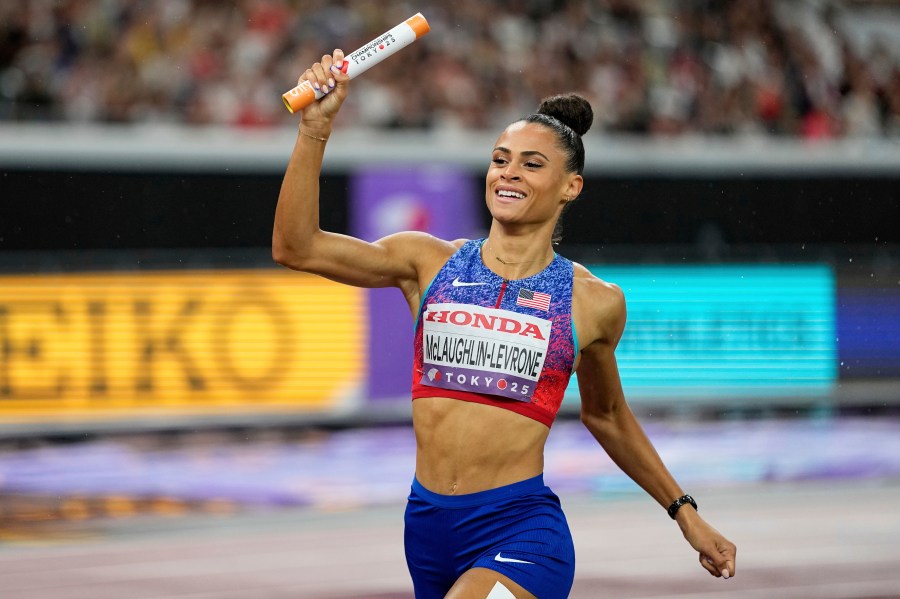
Olympic champions Sydney McLaughlin-Levrone, Gabby Thomas, and Melissa Jefferson-Wooden are among several top athletes owed significant sums by Grand Slam Track, which filed for bankruptcy earlier this month. The racing league submitted a Chapter 11 bankruptcy petition on October 2, 2023, revealing its financial struggles and a complete list of its top creditors.
Financial Struggles of Grand Slam Track
In its recent filing, Grand Slam Track disclosed that it owes six-figure amounts to a total of seven Olympic medalists, including McLaughlin-Levrone, Thomas, and Jefferson-Wooden. These athletes have been pivotal in promoting the league, which aimed to revolutionize track racing through innovative formats and high-profile events.
According to court documents, the league’s bankruptcy has raised concerns about the financial health of not only Grand Slam Track but also the broader landscape of professional track and field. The athletes affected by this filing have expressed disappointment, as they had expected their involvement to lead to financial stability.
Implications for Athletes and the Sport
The implications of this bankruptcy extend beyond the financial losses faced by the athletes. The league’s sudden financial collapse raises questions about future events, sponsorships, and the overall viability of similar leagues designed to enhance the visibility of track and field. With Olympic stars as key figures, the loss of trust may deter potential sponsors and partners.
The identities of all creditors have not been publicly disclosed; however, the league’s documents indicate that significant sums are owed, potentially impacting the lives and careers of these elite athletes. The financial challenges faced by Grand Slam Track highlight the volatility of niche sports leagues and their reliance on successful sponsorship deals and audience engagement.
As the situation develops, the future of Grand Slam Track remains uncertain. This bankruptcy case will likely unfold over the coming months, with creditors, including Olympic medalists, watching closely to see if they will recover any of the funds owed to them.
The fallout from this bankruptcy could lead to broader discussions about the financial models that support professional sports leagues, particularly those that are still in their formative stages. As athletes like McLaughlin-Levrone and Thomas continue to advocate for their sport, the outcome of this case may influence their future endeavors and the structure of similar organizations.