
Recent findings highlight a pressing issue for older gay men: chronic loneliness and the preferred methods to combat it. According to a survey conducted by the AARP, many within this demographic are increasingly turning to social media as a means of socializing, which has significant implications for their mental well-being.
The 2018 AARP Loneliness and Social Connections Survey indicates that LGBTQ+ males are particularly vulnerable to feelings of isolation. Many participants reported spending excessive time alone, which often resulted in engaging in risky or unhealthy behaviors. In contrast, heterosexual individuals tend to socialize more frequently in person. This stark difference raises important questions about the nature of social engagement and its impact on mental health.
Chronically lonely adults often find themselves participating in solitary activities, such as watching television or browsing the internet. Those who do not experience chronic loneliness, however, are more likely to seek out social activities that promote interaction. The distinction between being alone and feeling lonely is crucial. While physical solitude can be a neutral experience, loneliness is an emotional state marked by a profound sense of disconnection and a longing for companionship.
Understanding Social Engagement
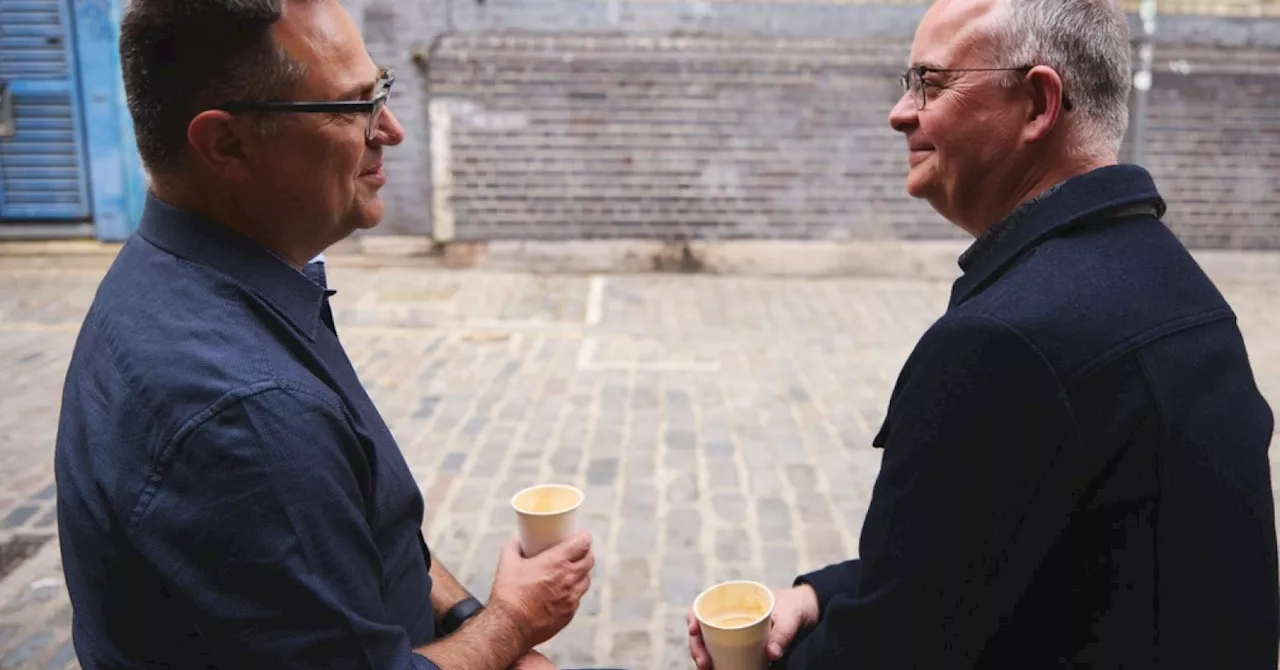
Social engagement refers to active participation in shared experiences within physical spaces. For example, attending a monthly coffee meet-up at a local café fosters direct human interaction. Yet, many individuals, regardless of gender, can be seen in coffee shops absorbed in their laptops, seemingly disconnected from their surroundings. This reflects a shift in how social connection is perceived and experienced in contemporary society.
Research has consistently shown that social engagement offers significant mental and physical health benefits. Engaging with others can stimulate cognitive function and reduce the risk of serious health issues, including stroke and coronary heart disease. Conversely, loneliness has been linked to increased rates of depression and a higher risk of premature death. Notably, a recent survey conducted by the Gallup Panel in 2024 revealed that nearly 20 percent of respondents reported feeling lonely for a significant portion of the previous day—the highest level recorded in two years.
The Role of Social Media in Combatting Loneliness
Social media platforms, particularly Facebook, have become vital tools for older gay men seeking community and connection. Groups such as “Gay Men Over 50,” which boasts 156,000 members, and others like “Gay Men’s Life After 60” and “Shirtless Silver Daddies” provide spaces for individuals to interact and share experiences. These online communities reflect a growing trend, with some groups amassing tens of thousands of members.
The Prime Timers organization, founded by Woody Baldwin and Sean O’Neil in the 1980s, exemplifies the evolution of socializing among older gay men. Initially seeking an alternative to traditional gay bars, they established a social group aimed at fostering connections among older gay men. Today, Prime Timers has grown into an international network with over 70 chapters across the United States and additional members in countries such as Australia, Germany, and the United Kingdom.
The recent International Prime Timer Convention held in Omaha, Nebraska, highlighted the importance of both in-person and online interactions. Participants reported meaningful connections and a sense of camaraderie that surpassed their expectations. These experiences underscore the traditional value of face-to-face engagement in combating loneliness, even as online platforms offer convenient alternatives.
As social habits evolve, the question remains: Can in-person groups maintain their relevance in a world increasingly dominated by digital interactions? Current trends suggest that while social media is becoming a preferred method for many, the benefits of personal engagement still hold significant value.
The ongoing rise of loneliness among older adults, particularly within the LGBTQ+ community, calls for a multifaceted approach to fostering connections. By combining the accessibility of social media with the irreplaceable benefits of in-person interaction, older gay men may find new avenues for reducing isolation and enhancing their overall quality of life.
Efforts to address this issue are crucial, as loneliness has reached epidemic levels in the United States, impacting a substantial portion of the population. Moving forward, understanding the dynamics between digital and physical socialization will be key to improving the lives of those at risk of chronic loneliness.