
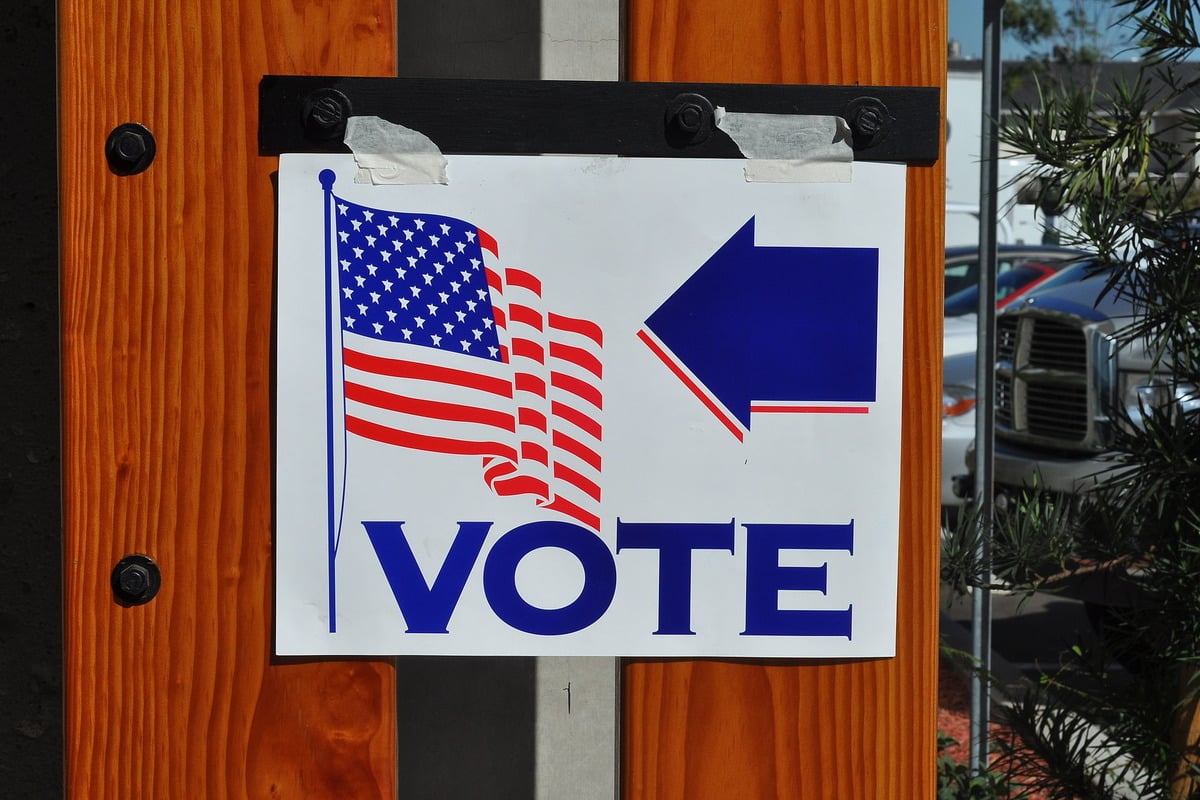
Oklahoma lawmakers are expeditiously advancing a plan to shift the state’s primary elections to earlier dates, a move that could impact campaign dynamics and voter participation. On March 5, 2024, the Oklahoma House Rules Committee voted 9-2 to advance House Bill 2425, which proposes significant changes to the election calendar, including adjusting primary dates, runoff elections, and candidate filing periods. The bill now heads to the full House for further debate.
The proposed changes would see primary elections scheduled for the first Tuesday in March during even-numbered years, with runoff primaries slated for the third Tuesday in June. Candidate filing would begin on the first Monday in December of odd-numbered years, and voters would be prohibited from changing their party affiliation from December 1 of the odd-numbered year through June 30 of the following even-numbered year. This timeline, detailed in the committee substitute on the Oklahoma Legislature website, aims to streamline election procedures.
House Speaker Kyle Hilbert, who is championing the bill, argues that moving the primaries to March could enhance voter turnout. Supporters believe aligning state primaries with the presidential election cycle will engage more voters and provide election officials with additional time to prepare ballots and manage absentee requests. Coverage by FOX23 indicated that advocates have long cited Oklahoma’s low primary turnout as a reason to consolidate election dates.
Critics, however, raise concerns that the new schedule could disadvantage grassroots candidates and favor incumbents who already possess name recognition and access to substantial campaign funds. During the committee hearing, Rep. Andy Fugate expressed concern that an earlier filing window might allow legislators to operate without the pressure of potential challengers. Political consultant Teresa Gawey stated that the proposal could reduce the diversity of candidates and weaken public accountability.
Potential Impact on Voter Participation
With the bill now eligible for a full House debate, the implications for the upcoming electoral cycle are significant. If enacted, candidates aiming for the 2028 election would need to file by December 2027, meaning some campaigns could launch while the holiday season is still in full swing. Legislators must weigh the operational benefits of an earlier election calendar against the risks of diminishing candidate diversity and strengthening the position of current officeholders.
One of the more contentious aspects of House Bill 2425 is the proposed restriction on party affiliation changes. This policy would prevent voters from switching parties during the critical period leading up to the primaries and runoffs, potentially disenfranchising independent voters and those wishing to participate strategically in a specific party’s primary. Voting rights advocates caution that such restrictions could lead to less representative primary electorates.
Supporters counter that a stable voter roll is essential for effective ballot design and election management. The ongoing debate surrounding HB2425 will likely center on striking a balance between administrative efficiency and maintaining accessibility for all voters.
As the Oklahoma legislature considers this bill, the outcome could set a precedent for how elections are conducted in the state and potentially influence voter engagement in future electoral cycles. The conversation surrounding these changes underscores the tension between operational needs and the democratic principle of inclusivity, a critical consideration for voters and lawmakers alike.