
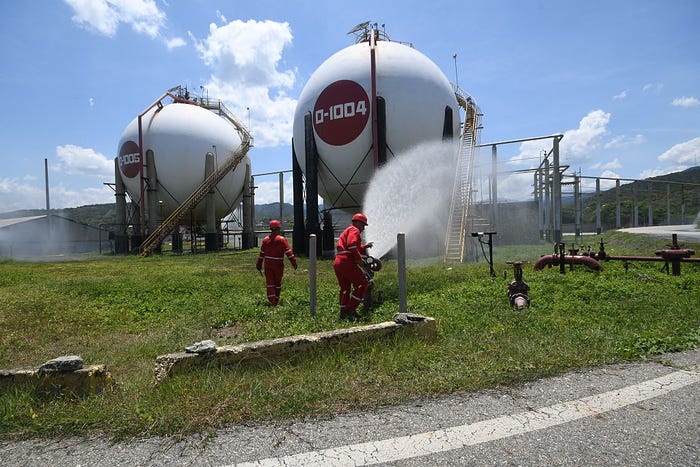
The recent military actions by the United States in Venezuela have ignited concerns about the potential impact on global oil prices, particularly in relation to the vast oil reserves the country possesses. Venezuela is currently sitting on an estimated 303 billion barrels of oil, accounting for nearly a fifth of the world’s total reserves. The implications of this situation could significantly influence what consumers pay at the pump in the coming weeks and months.
While the immediate effects of the US assault are still unfolding, market analysts are closely monitoring how these developments will affect oil production and prices. Currently, Venezuela contributes less than 1% of daily global crude production, which suggests that any short-term fluctuations in oil prices may be limited.
Current Oil Supply Dynamics
Despite its extensive reserves, Venezuela’s oil infrastructure reportedly remained intact following the recent US military operations, minimizing any immediate disruptions to production. This stability is crucial in a market where global oil supplies are expected to reach record surplus levels by 2026. According to industry reports, the ongoing global oil surplus could mitigate any drastic price changes in the near term.
Moreover, US companies are considering tapping into Venezuela’s oil reserves. However, this poses a challenge: increasing production could further depress already low oil prices. The more oil these companies add to the existing surplus, the less profit they may see from their drilling efforts.
Impact on Consumers
As oil prices fluctuate, everyday Americans will likely feel the effects at gas stations across the country. The cost of crude oil directly influences retail fuel prices, and any significant changes in the market could mean that consumers will pay more or less at the pump.
Since the beginning of last year, crude oil prices have seen a sharp decline, prompting concerns that any new influx of Venezuelan oil could exacerbate this trend. Former President Donald Trump mentioned plans to access Venezuelan reserves, suggesting that increased production could lead to further decreases in crude prices.
The situation remains fluid, with various factors at play that could shape the future of oil prices and, consequently, the cost of living for consumers. As the market reacts to ongoing developments in Venezuela, it will be crucial for stakeholders to navigate these challenges effectively to mitigate impacts on global oil supply and pricing.
In conclusion, the interplay between geopolitical events and oil market dynamics will continue to unfold, with potential implications that extend beyond Venezuela’s borders. The decisions made by US companies and the global community in response to the current situation will ultimately dictate the price of oil and its effects on consumers worldwide.