
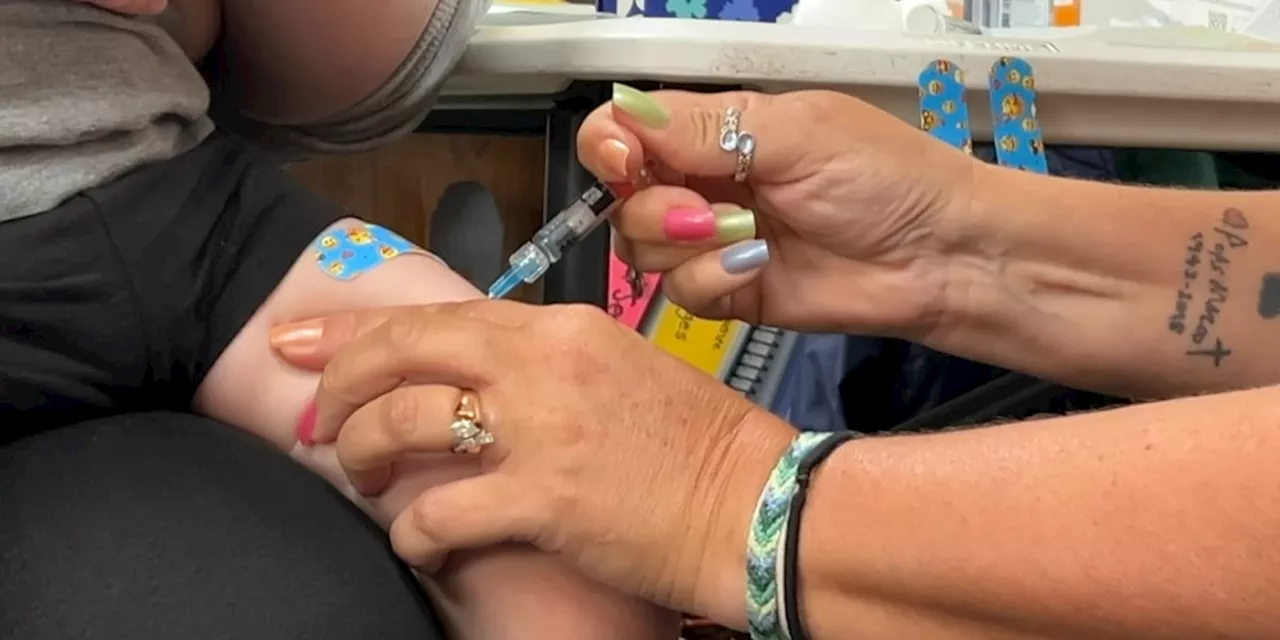
On Tuesday, the Ohio Chapter of the American Academy of Pediatrics (Ohio AAP) is set to release a new poll that gauges Ohioans’ attitudes toward childhood vaccinations. Conducted in October 2025 by the Bowling Green State University Democracy and Public Policy Research Network, the poll includes 14 questions focused on topics such as vaccine requirements, perceived benefits and risks, and sources of trusted vaccine information.
The findings indicate a strong inclination among Ohio residents toward supporting routine childhood vaccinations. A significant 86% of respondents believe that routine vaccines are very safe or safe for most children. Additionally, 89% expressed confidence in the information provided by their pediatricians or family physicians regarding vaccination decisions.
Insights on Vaccine Trust and Requirements
The poll reveals that 75% of Ohioans think parents should be mandated to vaccinate their children against preventable diseases. Among the reasons driving this support, 88% of participants cited the effectiveness of routine vaccines in safeguarding children from infectious diseases.
Despite the overall support for vaccinations, the survey highlights a notable distrust of social media as a reliable information source. An alarming 83% of Ohioans stated they do not trust social media feeds at all, or only trust them slightly, when it comes to vaccine-related information. This sentiment reflects a broader concern about the rise of vaccine misinformation, particularly in the wake of the COVID-19 pandemic, which has contributed to what some health experts refer to as vaccine fatigue.
The results show a community grappling with the implications of vaccine hesitancy. Parents are increasingly cautious about immunizations such as the Measles, Mumps, and Rubella (MMR) vaccine, which has been a focal point of public debate.
As the Ohio AAP prepares to release the complete poll results, these initial findings underscore the importance of effective communication and education regarding vaccinations. The organization aims to address vaccine hesitancy and reinforce public confidence in the safety and efficacy of immunizations.
In summary, the poll conducted by the Ohio AAP and Bowling Green State University sheds light on the prevailing attitudes toward childhood vaccinations in Ohio. The data signals a clear majority in favor of vaccination while highlighting the challenges posed by misinformation and public distrust in non-professional information sources.