
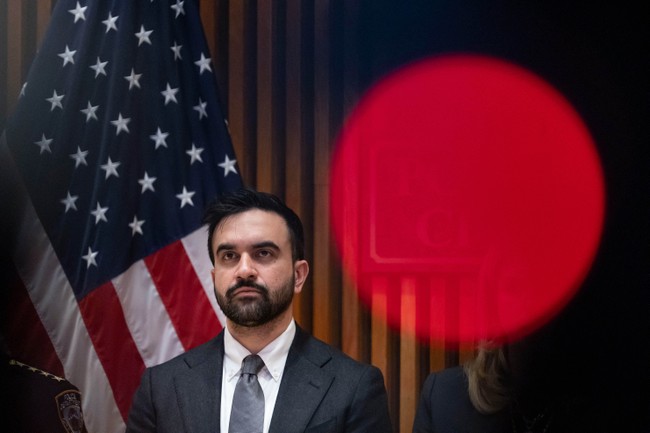
New York City Mayor Zohran Mamdani has announced a new initiative aimed at providing free childcare services to all families in the city, explicitly including undocumented immigrants. This announcement, made in January 2026, has sparked significant discussion about the implications of such a policy.
In a recent video statement, Mayor Mamdani emphasized that programs like 3-K and pre-K are designed for all New York children, stating that they will not require verification of immigration status. The initiative aims to ensure that every child, regardless of their background, has access to early childhood education. A new pilot program targeting children under the age of two will follow the same inclusive policy.
Critics have raised concerns regarding the financial implications of the program. Some argue that the initiative may divert resources away from American citizens, questioning the fairness of providing childcare support to families who are not legally in the country. Detractors have pointed out that the funding for such programs could place an additional burden on taxpayers.
Advocates of the program, however, argue that access to childcare is a critical need for all families, asserting that it can facilitate workforce participation and economic stability. The mayor’s office has not detailed how the program will be funded, leading to speculation about potential sources of revenue.
The announcement comes amid broader discussions about immigration policy and social services in the United States. Many commentators have pointed out that cities with progressive local governments often implement inclusive policies aimed at supporting vulnerable populations.
As the debate continues, supporters of the program argue that it promotes equity and social responsibility, while opponents express concern over potential financial mismanagement and the prioritization of undocumented immigrants over American citizens. The implementation of this program will likely be closely monitored as it unfolds in the coming months.
The reactions to Mayor Mamdani’s announcement reflect a broader national conversation regarding immigration and social welfare policies, raising questions about the balance between support for families and the fiscal responsibilities of local governments. As this initiative moves forward, it will be essential to observe how it impacts both the communities it aims to serve and the city’s budget.