
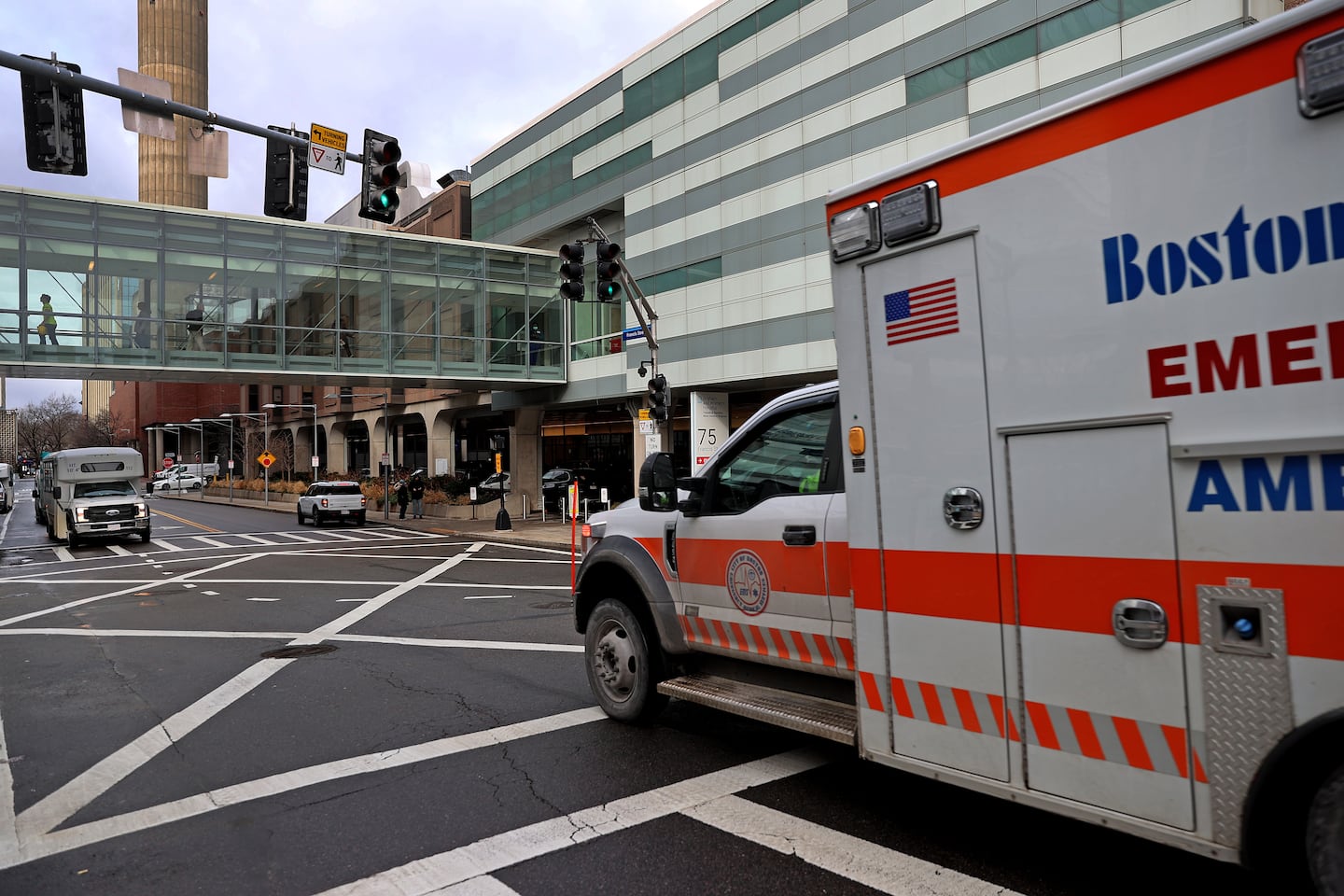
Nurses from Brigham and Women’s Hospital testified on March 15, 2024, against the proposed closure of the hospital’s burn unit, urging state officials to classify the service as “essential.” The hearing, convened by the state Department of Public Health, was prompted by a merger plan between Brigham and Massachusetts General Hospital (MGH) that would consolidate burn care services.
During the hearing, nurse Brittany Kelleher stated, “It sounds like a very bad plan to send all patients to one burn hospital at one time, if there is ever some sort of tragedy.” Kelleher expressed concern that concentrating burn care resources in a single facility could overwhelm MGH in the event of a mass casualty incident.
The merger, proposed by Mass General Brigham (MGB), aims to centralize burn care expertise. MGB officials argue that declining burn patient numbers justify the consolidation. However, unionized nurses, represented by the Massachusetts Nurses Association (MNA), emphasized that closing the 10-bed unit at Brigham would compromise the region’s capacity to manage emergencies requiring specialized burn treatment.
Jim McCarthy, a Brigham nurse and vice chair of the MNA bargaining committee, highlighted the burn unit’s critical role during emergencies, referencing its response to the 2013 Boston Marathon bombing. He stated, “Surge capacity for burn injuries must exist before an emergency occurs. It cannot be created after the fact without unacceptable risk to patient outcomes.”
The MNA pointed to a recent incident where a severely burned patient was reportedly not transported to Brigham due to the unavailability of a burn doctor and MGH being at capacity. The union claimed the patient experienced a five-hour wait for admission, worsening their condition. MGB, however, stated that they were unaware of any situation matching that description.
Both Brigham and MGH are the only two verified burn centers in Massachusetts that treat adult patients, according to the American Burn Association. They provide specialized care and resources necessary for effective burn treatment. Brigham’s unit handles an average of one burn patient daily, while MGH treats around 300 patients annually.
The consolidation of services raises concerns about the diminishing availability of burn-specific beds and the loss of institutional knowledge. Nurse Stefan Strojwas, who has specialized in burn care for nearly four decades, emphasized that mentorship is critical for nurses in this field. He warned, “If we don’t, at the Brigham, continue to have exposure to burn patients, our experience will eventually peter out.”
The Department of Public Health is expected to decide within 15 days whether to classify the burn unit as essential. If deemed essential, MGB would be required to submit a plan detailing how it would maintain access to burn care services. The MNA is advocating for legislative measures to enhance protections for essential health care services.
One proposed bill, sponsored by Senator Julian Cyr and Representatives Michael Kushmerek and Christine Barber, seeks to extend the required notice period for service closures to one year, up from the current 90 days. This legislation would also prevent hospitals from closing services during health crises.
State leaders have repeatedly voiced concerns over the loss of essential medical services, with Cyr noting that the existing closure process lacks effective oversight. “The bill would envision a lengthier and more robust review process,” he stated.
As the debate continues, the future of Brigham’s burn unit hangs in the balance, underscoring the complex interplay between corporate consolidation and community health needs.