
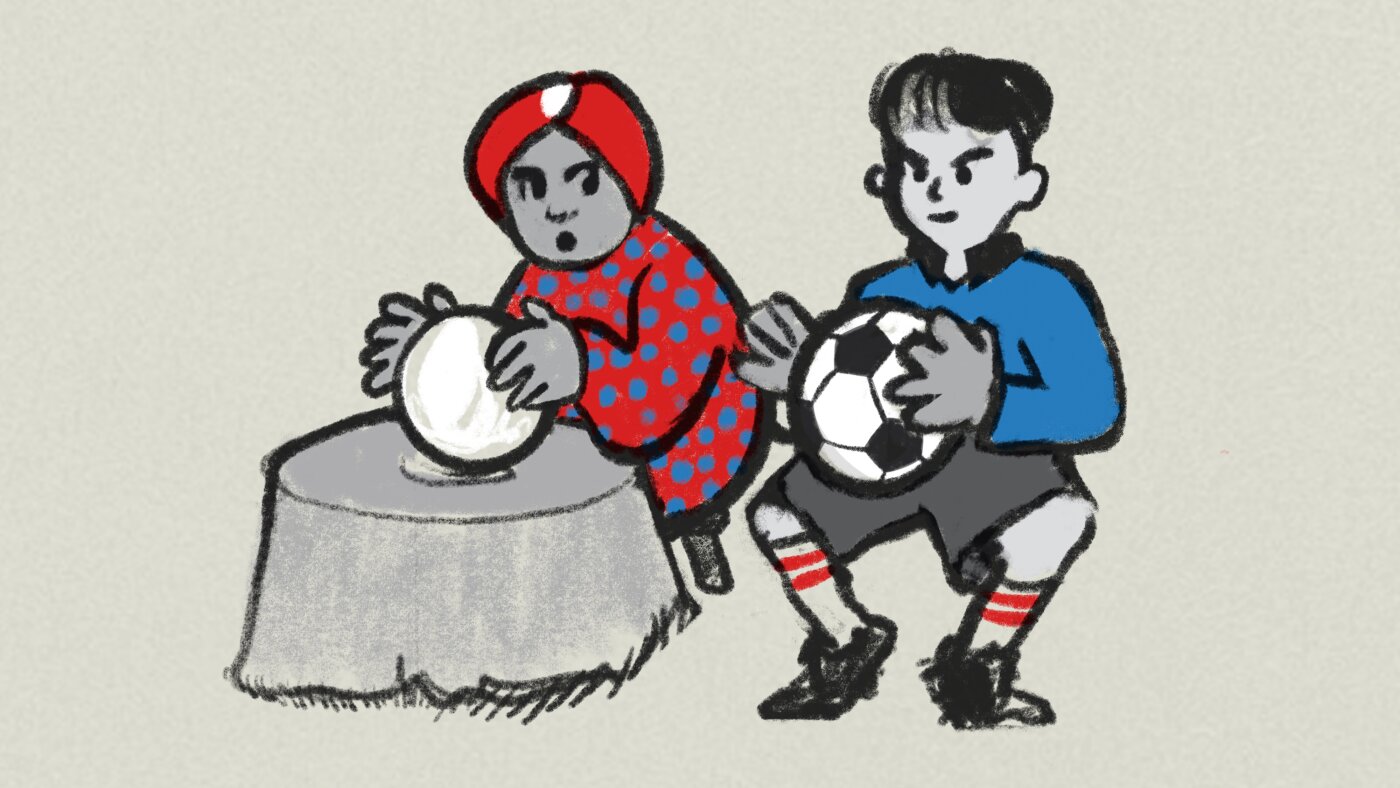
As 2026 begins, NPR’s Public Editor, Kelly McBride, has outlined several significant resolutions aimed at enhancing the network’s journalistic practices. These recommendations, based on insights gathered throughout 2025, focus on improving audience experience by addressing critical areas within NPR’s reporting and storytelling approach.
Enhancing Geographic Diversity in News Coverage
NPR boasts a network of over 200 member stations across all U.S. states, each equipped with local journalists familiar with their communities. Despite this resource, listeners often perceive NPR’s coverage as biased, predominantly reflecting a Washington, D.C., New York, or Los Angeles perspective. To combat this, McBride emphasizes the importance of incorporating more local stories into national broadcasts.
In response to this concern, NPR has established six regional newsrooms in areas such as Appalachia, New England, and the Mountain West. These newsrooms collaborate with local stations to create a richer and more diverse news report that resonates with the American public.
Addressing Crime Reporting Responsibly
McBride highlights the need for NPR to provide comprehensive and accurate coverage of crime trends. Recent political narratives have exaggerated claims about rising violent crime, leading many Americans to accept this as fact. Traditional news coverage often focuses on isolated incidents, overshadowing broader trends that can paint a more accurate picture of crime in society.
To improve this aspect of reporting, NPR should engage in thorough analysis and include voices from law enforcement, criminologists, and community members affected by crime. By leveraging local journalists, NPR can deliver nuanced narratives that help audiences understand the complexities of crime trends.
Eliminating Political Labels in Reporting
Another resolution encourages NPR to avoid applying political labels to individuals or organizations. While such labels may provide context, they can also be interpreted as biased or dismissive. McBride argues that audiences should be allowed to form their own judgments based on the information presented in news stories. By focusing on describing ideas and actions without labels, NPR can maintain neutrality and trust with its audience.
Expanding Breaking News Coverage Across Platforms
NPR’s flagship programs, such as Morning Edition and All Things Considered, are known for their in-depth coverage of current events. However, as more audiences turn to NPR’s website and mobile app for news, there is a growing need for timely and robust reporting on these platforms.
Currently, much of NPR’s digital content is derived from radio broadcasts, which can lead to delays in reporting. McBride stresses the importance of treating the needs of non-radio audiences with equal priority. The introduction of more video interviews on digital platforms is a positive step, but the timeliness of these updates needs to improve to better serve all listeners.
Reflecting on the January 6 Capitol Attack
As the anniversary of the January 6 attack on the U.S. Capitol approaches, NPR has revisited this pivotal event in American history. The network has compiled a comprehensive visual archive of the day, utilizing thousands of videos and extensive reporting. This project allows audiences to explore the events leading up to and during the attack, providing context and insight into the significant moments that unfolded.
According to NPR investigative correspondent Tom Dreisbach, the aim of this archive is to ensure that the evidence is accessible for public scrutiny. This thorough documentation serves as a vital resource in understanding an event that continues to affect the political landscape in the United States.
McBride invites feedback from the public to help shape future recommendations, underlining the collaborative nature of NPR’s mission to serve the audience. The Office of the Public Editor, which includes reporters and editors, is dedicated to ensuring that NPR remains responsive to its listeners’ needs while upholding journalistic integrity.
As NPR progresses through 2026, these resolutions will be monitored to assess their impact on the network’s reporting practices, ultimately aiming to enhance the quality and diversity of news coverage for audiences nationwide.