
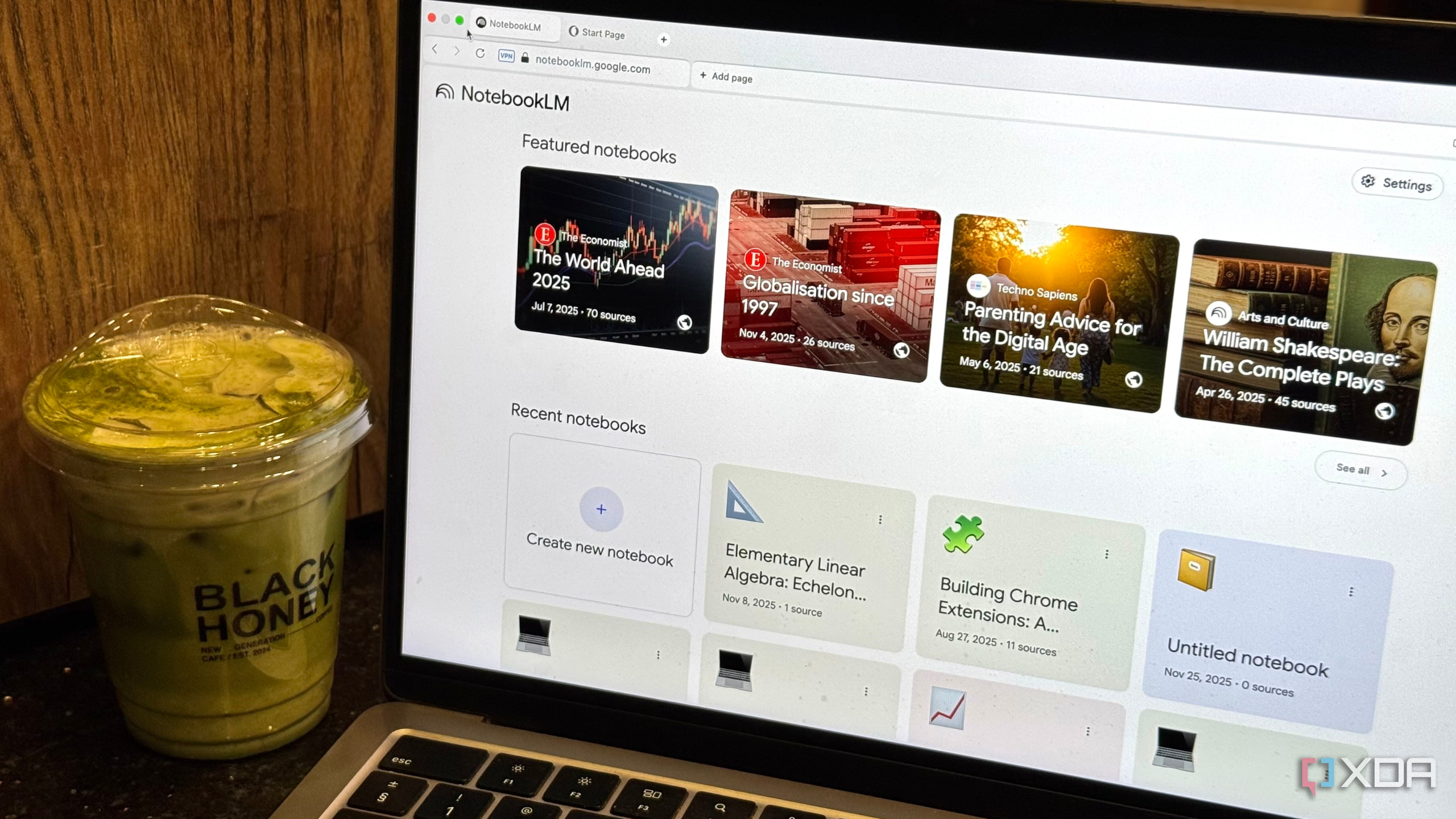
NotebookLM has emerged as a popular tool among users aiming to enhance their productivity. While it offers impressive features for managing documents and extracting insights, it has limitations when used as a personal knowledge management (PKM) system. Many users, including professionals and students, are discovering that while NotebookLM can streamline workflows, it does not fulfill the role of a dependable knowledge base.
NotebookLM has become a consistent part of various users’ productivity stacks, allowing for efficient handling of documents across multiple domains. It excels in project-based work, enabling users to compile relevant documents into a single notebook. For instance, professionals working on complex tasks, such as a marketing report with numerous supporting documents, can quickly analyze connections and extract insights. This functionality significantly reduces the time needed to synthesize information.
NotebookLM vs. Traditional Knowledge Management Systems
Despite its strengths, NotebookLM falls short of serving as a comprehensive knowledge management system. Unlike established PKM tools like Notion or Obsidian, which are designed to maintain interconnected documents, NotebookLM’s structure limits users. Each notebook operates independently, preventing the accumulation of knowledge across projects. This lack of continuity makes it challenging to connect ideas across different domains without extensive manual effort.
The Mind Map feature in NotebookLM provides an excellent way to visualize connections between uploaded documents. However, the rigid structure means that users must keep all relevant documents within a single notebook, restricting their ability to explore connections effectively. This limitation hampers NotebookLM’s utility as a long-term repository of information, which is a core function of dedicated PKM systems.
Optimal Use Cases for NotebookLM
Given NotebookLM’s limitations as a knowledge base, it is best utilized for specific project-based workflows. Users can drop all pertinent documents into a single notebook to efficiently analyze and extract insights. The platform enables rapid processing of complex information, making it ideal for time-sensitive tasks. Yet, once a project concludes, the knowledge captured in NotebookLM does not persist, reducing its long-term value.
Additionally, NotebookLM is not intended for traditional note-taking. While it includes a basic Notes feature for jotting down ideas, the platform lacks the robust writing capabilities found in dedicated note-taking applications. Users seeking a comprehensive writing environment may find NotebookLM insufficient for their needs.
To maximize productivity, many users are opting to integrate NotebookLM with traditional PKM systems. For example, pairing NotebookLM with Notion allows users to maintain a long-term repository for notes and ideas. By using Notion’s web clipper to gather information and linking relevant NotebookLM notebooks, users can create a seamless workflow that leverages the strengths of both platforms.
In summary, while NotebookLM offers valuable tools for document management and project analysis, it is not designed to replace traditional PKM systems. Users seeking to enhance their productivity should consider using NotebookLM as a complementary tool rather than a standalone solution.