
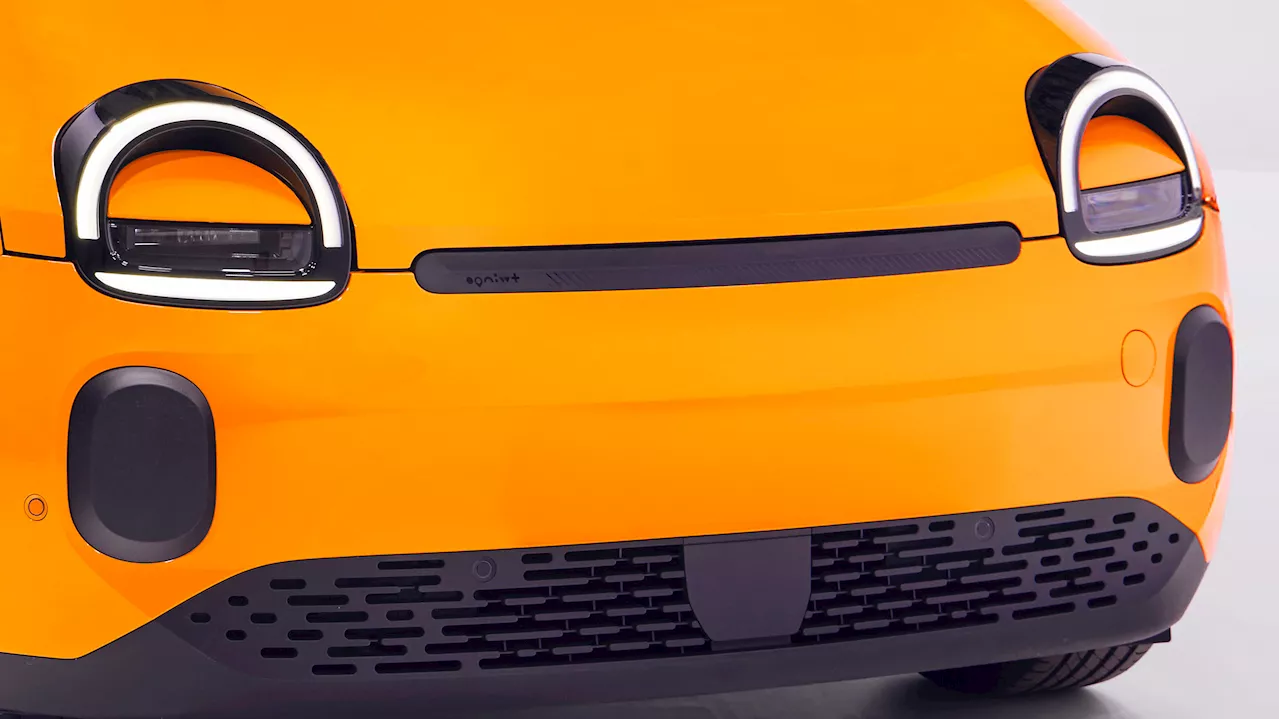
Nissan is set to launch a new electric hatchback named the **Wave**, which pays homage to the brand’s iconic retro designs from the late 1980s and early 1990s. Scheduled for release in **2024**, the Wave will be produced in collaboration with Renault and will be built alongside the Renault Twingo. This new model aims to sit below the Micra in Nissan’s vehicle lineup, tapping into a niche market that values both affordability and nostalgic aesthetics.
The Wave draws inspiration from Nissan’s esteemed “Pike” cars, which include cult favorites such as the **Be-1**, **Figaro**, **Pao**, and **S-Cargo**. These models are known for their distinctive charm and character, a stark contrast to the more utilitarian designs of many modern vehicles. By channeling the essence of the Pike cars, the Wave is expected to deliver a unique driving experience that resonates with younger urban drivers.
Specifications and Market Positioning
Built on the same platform as the Twingo, the Wave will feature a **27.5 kWh** lithium iron phosphate battery, providing an estimated range of around **163 miles**. The focus on cost-efficiency is evident, with a starting price projected to be under **£20,000**. This positioning aims to attract young drivers seeking practical city cars without breaking the bank.
The Wave is not designed for long road trips; rather, it is tailored for urban environments where compact size and manageable range are essential. By leveraging simple mechanicals from the Micra, Nissan hopes to maintain affordability while still appealing to consumers looking for something with a bit more personality.
Competitive Landscape
The introduction of the Wave marks Nissan’s return to the small car segment, a space it has largely vacated since the discontinuation of the **Pixo** in **2013**. The retro appeal of the Wave could prove to be a significant draw, especially as it enters a competitive market populated by similar offerings.
It will face competition not only from its sibling, the Twingo, but also from Volkswagen’s anticipated **ID.1**, likely to be called **ID. Up**, set to launch in **2027**. Additionally, emerging competitors from China, such as the **BYD Dolphin Surf**, are also vying for market share in the affordable electric vehicle segment.
In summary, Nissan’s upcoming Wave aims to blend nostalgia with modern electric vehicle technology, all while targeting a demographic eager for stylish, budget-friendly transportation. As the automotive landscape continues to evolve, the success of the Wave could indicate a growing appetite for smaller, more charismatic electric vehicles.