
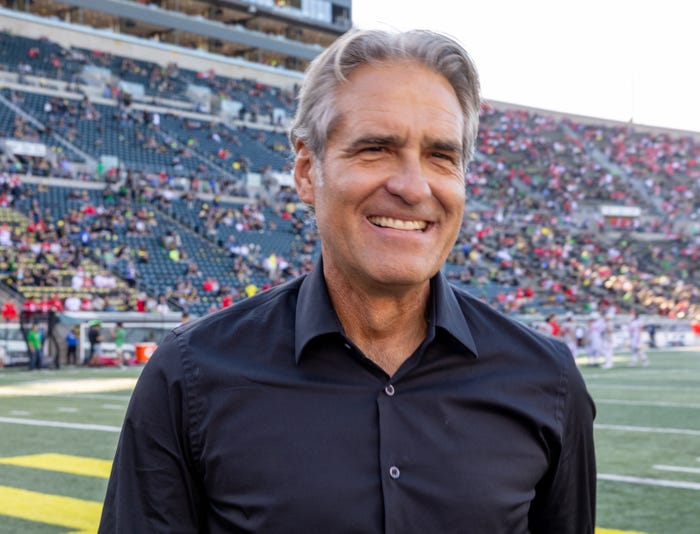
Elliott Hill has embarked on a comprehensive strategy to rejuvenate Nike since assuming the role of CEO in October 2024. Faced with declining sales and increased competition, Hill’s initiatives aim to restore the company’s focus on sports at its core. Under his leadership, Nike seeks to recover from a challenging financial landscape, where revenue fell by 10% year over year to $11.6 billion prior to his appointment.
The initial response from investors was positive, with Nike shares surging by approximately 8% the day Hill’s appointment was announced. He quickly outlined his vision for a turnaround, emphasizing the importance of reinstating the athlete’s central role in Nike’s operations. “We lost our obsession with sport,” Hill stated during a December 2024 earnings call. His outlook is one of cautious optimism, indicating that the road to recovery “won’t be a straight line.”
Implementing a Five-Point Strategy
In early 2025, Hill launched a “win now” strategy targeting five critical areas: culture, product, marketing, marketplace, and in-person presence. This approach has led to a significant realignment of approximately 8,000 employees, focusing on core categories such as running, basketball, football, and training. Notably, the running segment has shown remarkable growth, increasing by more than 20% during the last quarter.
Hill’s strategy also involved revamping Nike’s senior leadership. In May, he restructured key positions to enhance focus on consumer engagement and product innovation. The changes included the promotion of four insiders to senior roles and the appointment of a new communications chief, Michael Gonda. Additionally, Hill eliminated the roles of chief technology officer and chief commercial officer, establishing a chief operating officer position to better integrate technology into Nike’s offerings.
Strengthening Wholesale Relationships and Adjusting Pricing
Another critical aspect of Hill’s turnaround strategy has been mending relationships with wholesale partners, which had suffered due to Nike’s strong shift toward direct-to-consumer sales. Hill has worked to restore these ties, bringing Nike back to platforms like Amazon and collaborating with niche retailers such as Urban Outfitters and Aritzia. As a result, Nike’s wholesale revenues increased by 8% year over year, reaching $7.5 billion in the recent quarter ending November 30.
In addition to restoring partnerships, Hill has focused on elevating the consumer experience by reducing promotions and implementing strategic price increases. In a January interview with Fortune, he acknowledged that Nike had become “too promotional” and emphasized a shift towards premium pricing. In an effort to create a more exclusive atmosphere, Nike Digital operated without promotions in North America for the first two months of 2025, a significant reduction from over 30 promotions during the same period in 2024.
Revamping Retail Experience
Hill is also reimagining Nike’s retail approach with a focus on immersive experiences. The flagship House of Innovation, a six-story store opened in 2018, serves as a model for the company’s new direction. Hill has highlighted the store’s redesign, which emphasizes sports-driven layouts, resulting in double-digit revenue increases.
Nike’s shift towards a more sports-centric retail experience reflects Hill’s broader vision for the brand’s future. His leadership has already begun to transform the company, aiming to not only recover from past challenges but also to position Nike as a leader in the competitive sportswear market.
As Hill continues to implement these strategies, he remains committed to keeping the athlete at the heart of Nike’s mission. The company’s future will depend on the effectiveness of these changes and the ability to adapt to an ever-evolving marketplace.