
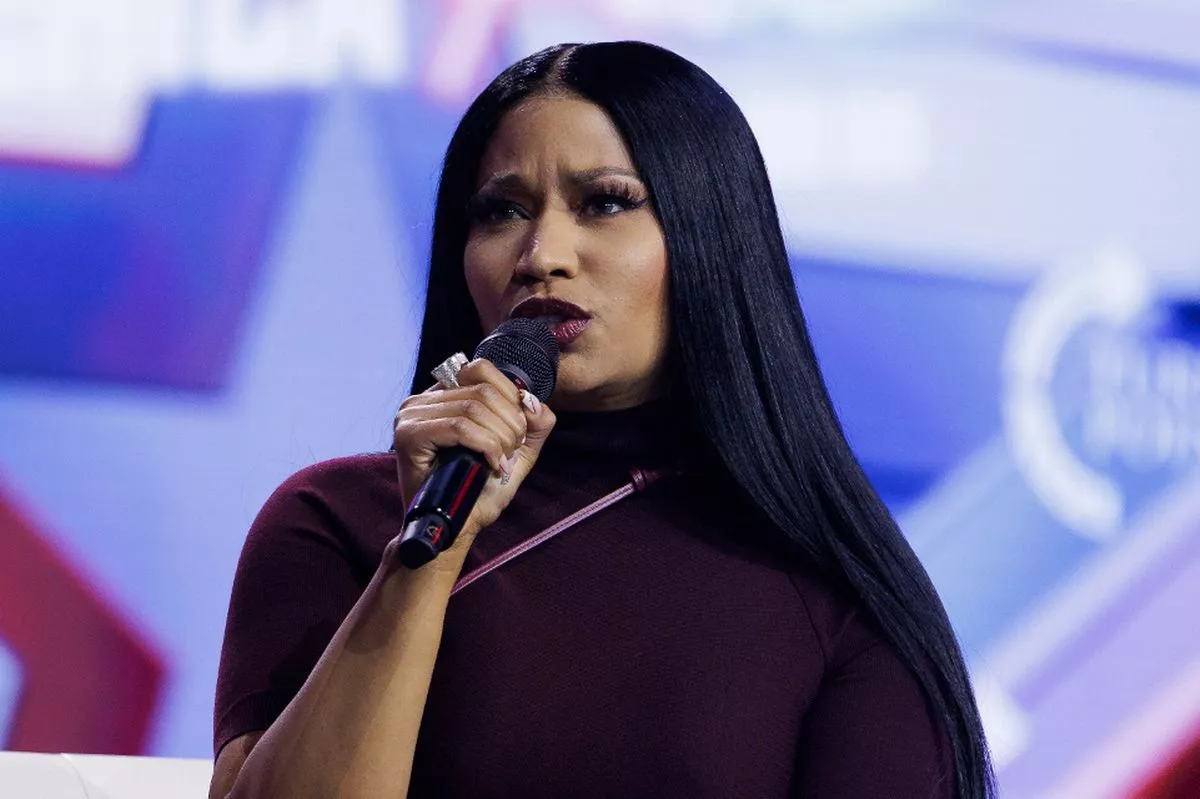
Nicki Minaj’s recent praise for former President Donald Trump has ignited a wave of criticism, bringing to light her past condemnation of his immigration policies. During a speech at the AmericaFest, hosted by Turning Point USA in Phoenix, Arizona, Minaj described Trump and Vice President J.D. Vance as “full of people with heart and soul.” This endorsement has drawn sharp reactions from fans and political opponents alike, particularly given her earlier criticism of Trump’s administration.
In 2018, the Trinidadian-born rapper expressed her fear regarding Trump’s immigration policy, stating, “I came to this country as an illegal immigrant.” At that time, she described the situation as “so scary,” highlighting the trauma of potentially being separated from her family: “I can’t imagine the horror of being in a strange place & having my parents stripped away from me at the age of 5.”
Now, many find her shift in political alignment troubling. A petition titled “Deport Nicki Minaj back to Trinidad” has garnered over 18,368 signatures as of this writing. The petitioners argue that Minaj’s recent remarks contradict the values she once championed, stating, “This is personal for those of us who watched Nicki rise as a beacon of hope, only to feel abandoned by her shift in values.” They emphasize that her influential platform carries significant responsibility.
Minaj defended her recent statements, claiming she has grown tired of being “pushed around” and intends to express her opinions freely, even if they diverge from those of her fans. During her appearance at AmericaFest, she also criticized California Governor Gavin Newsom and voiced her support for various Republican figures.
The backlash from her fanbase has been palpable. One supporter expressed disillusionment, saying, “As an Afro-Latina and caribeña who grew up listening to Nicki’s music, I’m appalled by her recent claims.” Another individual from Trinidad criticized her for leveraging her heritage while allegedly undermining it on a global stage.
Comments on social media reflect deeper concerns, particularly regarding her impact on the transgender community. One contributor stated, “For transgender people, gender-affirming care is actually life-saving,” indicating the potential harm her rhetoric could cause. Another user quipped about the irony of Minaj supporting a figure known for deporting immigrants while facing calls for her own deportation.
This evolving narrative surrounding Nicki Minaj underscores the complexities of celebrity influence in political discourse, particularly as public figures navigate their identities and political beliefs. As the conversation continues, the implications of her statements may resonate well beyond her fanbase, affecting public perceptions of both her and the political figures she now supports.