
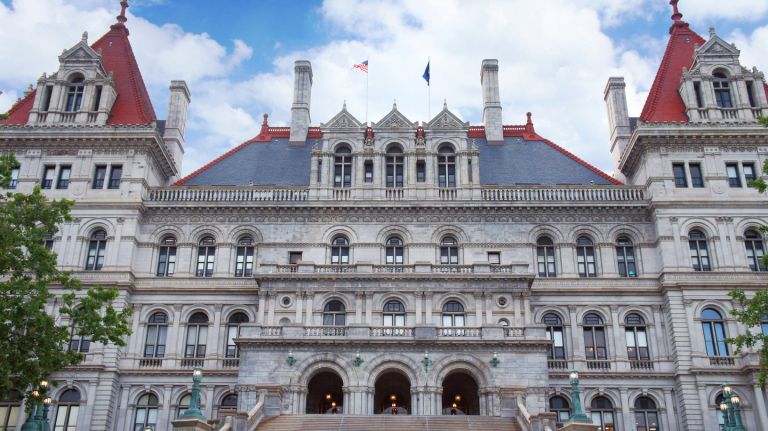
As budget discussions commence in Albany, the future of New York’s intellectual and developmental disabilities (I/DD) care system hangs in the balance. Wini Schiff, CEO of the Inter Agency Council and board member of New York Disability Advocates (NYDA), emphasizes that this year’s state budget will critically influence whether individuals with I/DD continue to receive necessary support or face an unmanageable situation.
New York City is home to one of the largest and most complex I/DD service systems in the United States. Across its five boroughs, nonprofit providers deliver vital services such as residential care, day programs, and employment support. For many families, these services are not merely beneficial; they are essential for daily living.
The demand for I/DD services is on the rise. According to data from the Office of People with Developmental Disabilities, New York’s I/DD population has surged by over 10,000 individuals in the past five years. Simultaneously, the cost of providing care is increasing. Inflation in New York City has reached 2.9% over the last year, surpassing the national average. Providers are facing higher expenses for food, transportation, utilities, insurance, and medical supplies, all crucial for maintaining operational programs.
While compensation for Direct Support Professionals (DSPs) has risen by more than 8%, reimbursement rates have not kept pace. This discrepancy forces providers to cover the shortfall, even as they grapple with staffing shortages and intensified competition for skilled workers. The current situation is unsustainable. Without additional support, providers might be compelled to make difficult choices, such as reducing programs or leaving shifts unstaffed. The repercussions are immediate: when staffing falters, care suffers; when programs shut down, families lose stability; and when services vanish, individuals with I/DD lose their independence.
To address these challenges, advocates are urging Albany to implement a 2.7% Targeted Inflationary Increase (TII) in this year’s budget. This adjustment would enable providers to keep up with rising costs and safeguard access to critical services. Yet funding alone is insufficient to resolve the crisis. A recent study conducted by NYDA and Miami University of Ohio highlights a significant issue: nearly half of DSPs are experiencing housing insecurity. Many workers, who support New Yorkers with profound needs, find it increasingly difficult to afford stable housing in the same city where their services are desperately required.
Median rent prices in New York City have surged by 5.6% over the past year, with expectations for continued increases. This financial strain makes it increasingly challenging for DSPs to live near the communities they serve, contributing to workforce burnout and turnover. Consistency in care is vital for individuals with I/DD, who rely on established routines and relationships. When DSPs leave, that stability erodes, further complicating the care landscape.
Albany has the opportunity to take a significant step forward by establishing a CareForce Affordable Housing Lottery Preference (S.8676), which prioritizes DSPs and other essential care workers for affordable housing close to their workplaces. This initiative would enhance workforce retention and, in turn, improve continuity of care for families relying on I/DD services.
As budget negotiations proceed, lawmakers must recognize the fundamental truth: services depend on workers, and a viable workforce cannot remain in New York City if housing costs become prohibitive. Wini Schiff draws from extensive experience, having navigated the I/DD system from direct support work to executive leadership. She highlights that the challenges are immediate and felt across all boroughs, affecting homes and programs citywide.
New York’s I/DD system is only as robust as the workforce that sustains it. The upcoming budget represents Albany’s chance to fortify this foundation. The question remains whether lawmakers will act decisively and in a timely manner to ensure the future of essential care services.