
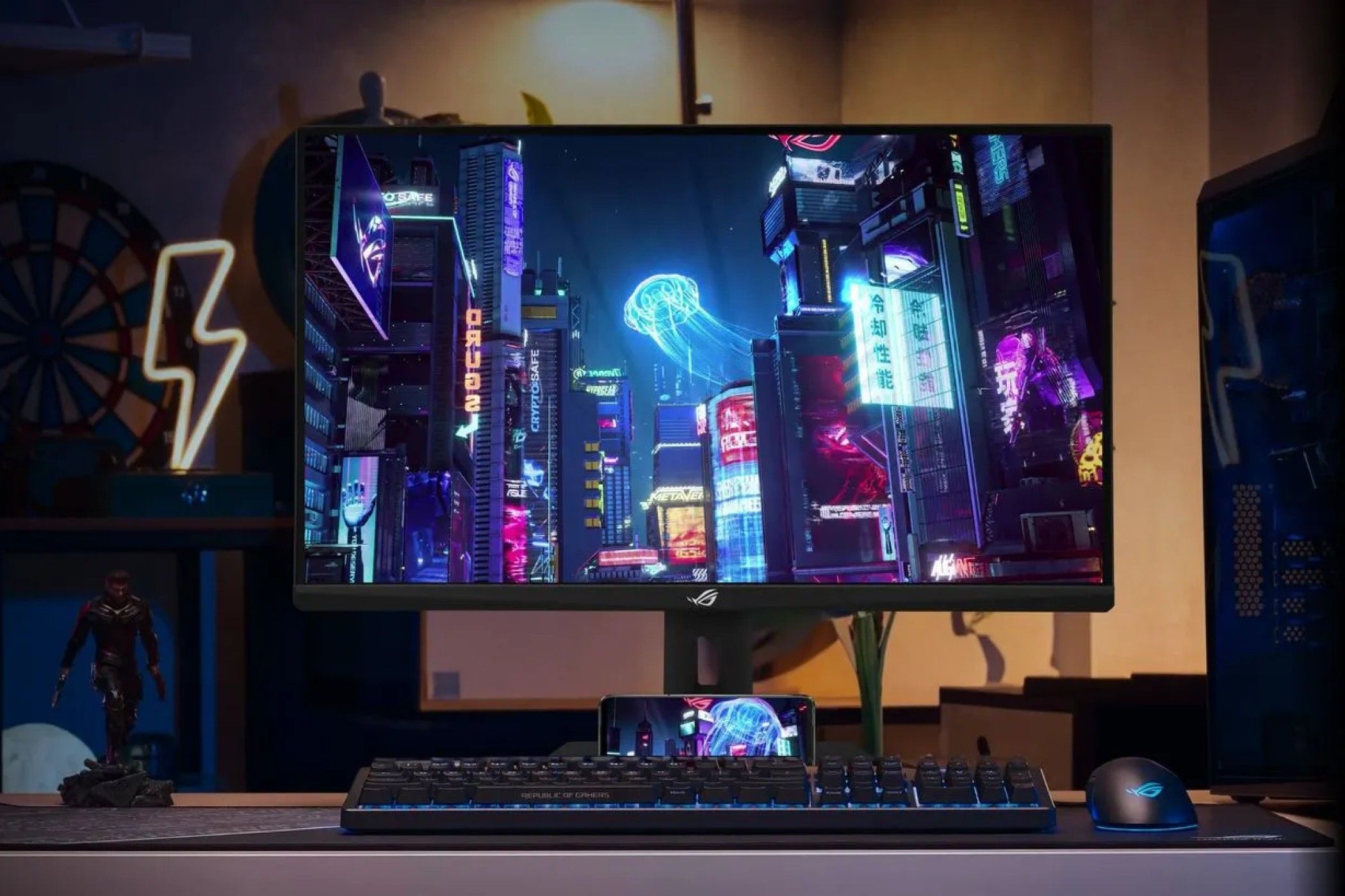
URGENT UPDATE: The landscape of computer setups is transforming in 2026, as experts confirm that most users no longer need a KVM switch. This shift is driven by advancements in monitor technology and the emergence of simpler USB input solutions.
For many who have upgraded their home office or gaming setups in the past decade, the reliance on traditional KVM switches is rapidly diminishing. As today’s monitors come equipped with features that allow for automatic input switching, the need for complex switching devices is waning. New reports indicate that a simple USB switch is often all that is required for seamlessly managing multiple computers.
A surge of users transitioning between devices has been observed, especially among those who previously relied on KVM switches to manage their peripherals. As one user explained, they initially sought a KVM switch to toggle between two PCs but discovered that a basic USB hub sufficed for their needs. This change reflects a broader trend in how we interact with technology.
KEY FACT: Many modern displays now feature automatic input detection, meaning they can switch between multiple sources without user intervention. This development allows users to easily manage their work-from-home environments without the hassle of constantly reconnecting peripherals.
The classic KVM switch, which once served a vital role in multi-computer setups, is now facing a significant decline in relevance. Experts note that the majority of available KVM switches primarily cater to niche audiences, particularly those requiring advanced remote management capabilities. In contrast, the majority of home users can now effectively utilize USB switchers for their less complex needs.
For those with monitors manufactured in the last fifteen years, the functionality to switch inputs has become standard. Many users find that their monitors can automatically detect which device is active, streamlining the transition between PCs. This evolution in hardware means that the traditional KVM switch is becoming an obsolete relic of early computing.
WHAT’S NEXT: As technology continues to evolve, experts suggest that users should prioritize monitors and peripherals that support USB switching capabilities. The trend points towards a future where KVM switches may only be necessary for specialized setups, while the average user can rely on simpler alternatives.
The ramifications of this shift are profound. For individuals managing hybrid work environments or gaming across different platforms, the ability to switch devices without the complications of a KVM switch enhances productivity and reduces frustration. As older monitors are phased out, the decline of KVM switches seems inevitable.
In summary, the tech community is witnessing a significant shift away from KVM switches toward user-friendly USB input solutions. This change not only reflects the advancements in monitor technology but also highlights a growing preference for simplicity in managing multiple devices. As we move further into 2026, users should consider adapting to these new tools for a more efficient setup.
Stay tuned for further updates as this story develops.