
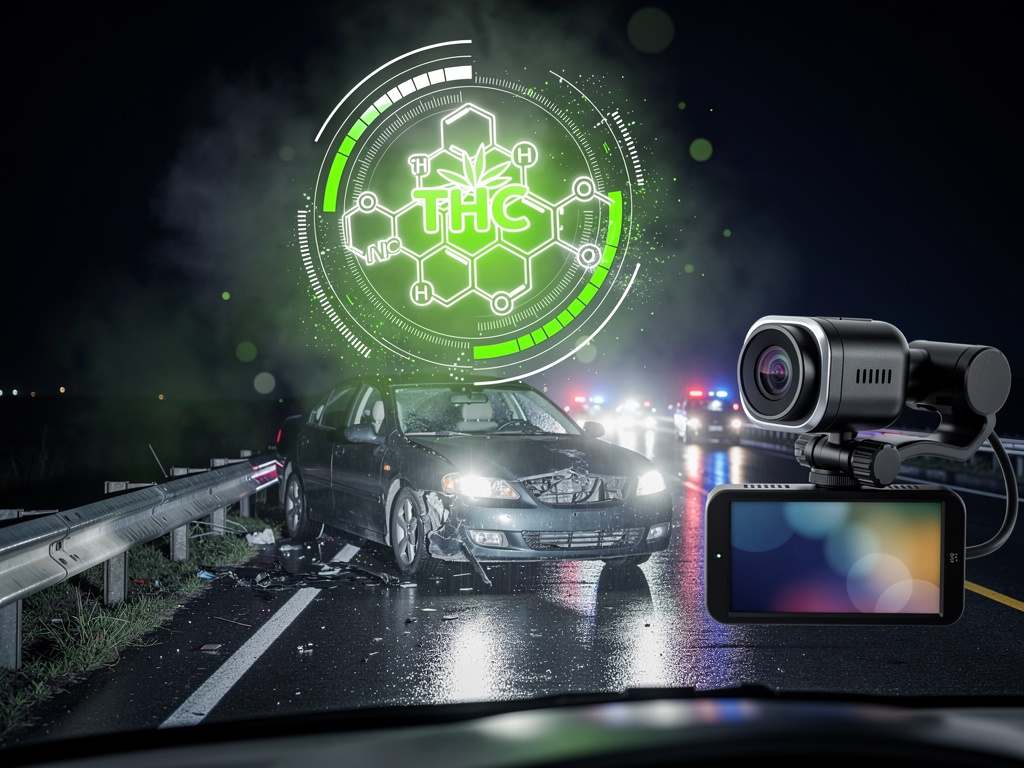
UPDATE: A new study from Wright State University reveals alarming statistics about the relationship between cannabis use and fatal car crashes in Ohio. Researchers examined coroner records from 2017 to 2022 and found that nearly 42% of drivers who died in motor vehicle collisions tested positive for active THC, the psychoactive component in marijuana.
This shocking figure, derived from 246 deceased drivers, highlights an average blood THC level of 30.7 nanograms per milliliter, significantly exceeding impairment thresholds in many states, which typically range from 2 to 5 ng/mL. The findings were presented at the American College of Surgeons Clinical Congress, underscoring a growing public health crisis that continues despite cannabis legalization efforts.
Lead researcher Dr. Akpofure Peter Ekeh emphasized that these elevated THC levels indicate recent consumption prior to driving, stating, “An average level of 30.7 ng/mL generally means those people must have consumed marijuana at some time close to driving.” This raises serious concerns about impaired judgment and reaction times, critical factors contributing to vehicular accidents.
In comparison, the study also revealed that 37.4% of deceased drivers tested positive for alcohol, with an alarming average blood alcohol concentration of 0.165%, which is more than double the legal limit of 0.08%. Notably, about 20% had both substances in their system, significantly amplifying the risks associated with impaired driving.
Despite the legalization of medical marijuana in Ohio in 2016, the study indicates a troubling trend: no decline in THC-positive fatalities from 2017 onward. This suggests that policy changes alone are insufficient to mitigate risky driving behaviors. Experts warn that public awareness campaigns, similar to those addressing drunk driving, are crucial in helping cannabis users understand the dangers of driving under the influence.
Data from national studies corroborates these findings. Over 40% of fatal crash victims across the U.S. exhibit THC levels above legal limits, with legalization proving ineffective in reducing these rates. The lack of reliable roadside tests for THC impairment further complicates enforcement efforts, leaving law enforcement dependent on blood tests, which may not always reflect acute intoxication.
Transportation safety experts are calling for innovative solutions, such as standardized impairment testing and enhanced cannabis education in driver training programs. The rise in THC-related crashes is alarming, prompting urgent calls for society to reevaluate the risks associated with marijuana use while driving.
Beyond Ohio, similar trends are evident in other regions, with data indicating a national rise in drug-impaired driving fatalities, often linked to cannabis. Public sentiment reflects growing concern, with social media posts highlighting personal stories of tragedy, including incidents where THC-impaired drivers caused devastating crashes.
Experts predict that without significant intervention, the number of THC-related traffic deaths could increase. The average THC level of 30.7 ng/mL in the Ohio study suggests not just casual use but possible heavy intoxication, which can critically impair cognitive functions necessary for safe driving.
As researchers call for comprehensive studies tracking cannabis use patterns pre- and post-legalization, the need for public education is becoming increasingly clear. Campaigns stressing that “buzzed driving is drunk driving” are gaining traction, aiming to mitigate the escalating threat posed by THC impairment.
In conclusion, the findings from Wright State University serve as a wake-up call for policymakers, law enforcement, and the public. With the potential to save lives, immediate action is essential to address this urgent public health challenge. The road ahead may be perilous, but with concerted efforts, we can steer towards safer highways.