
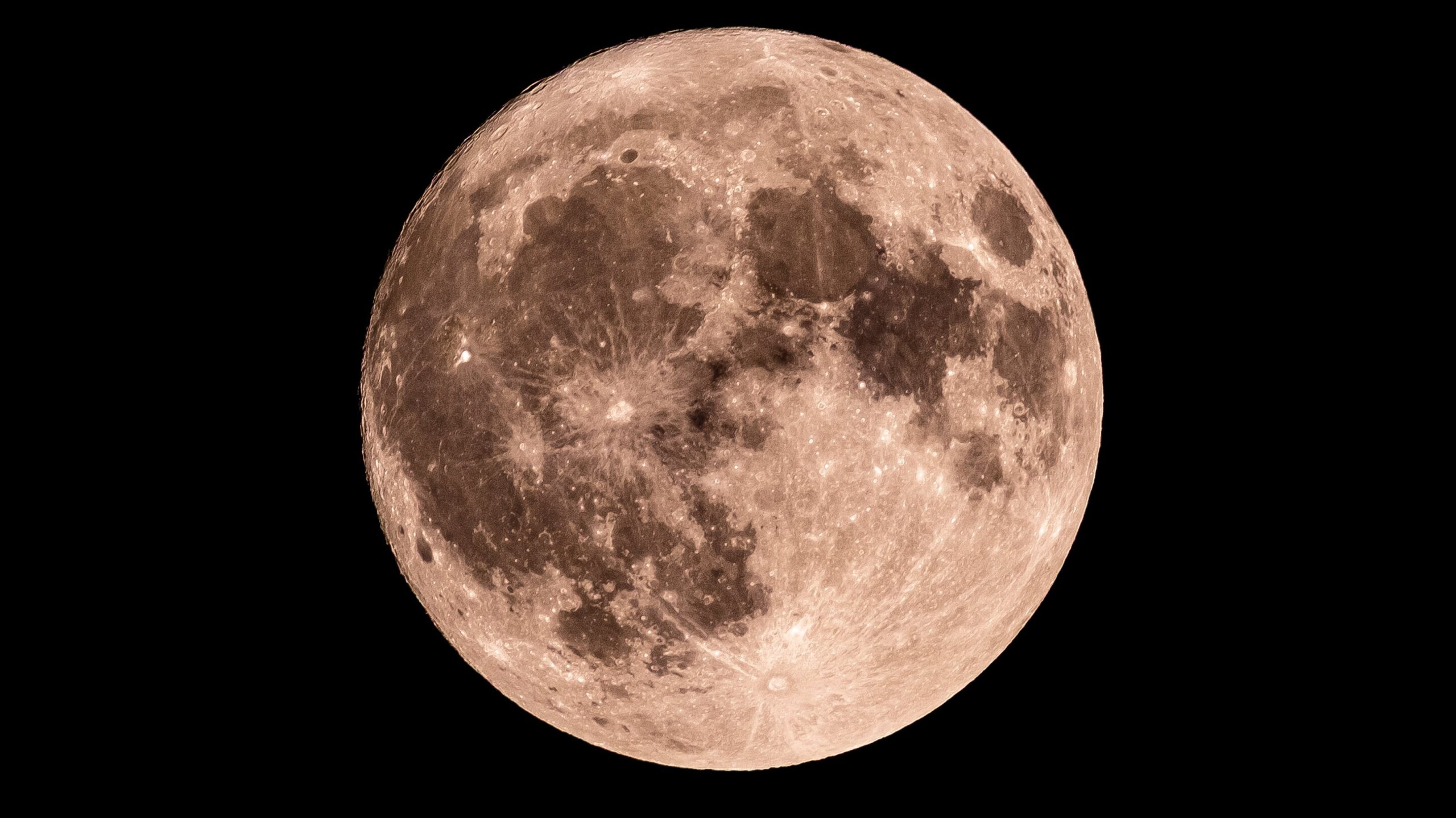
The Moon enters its New Moon phase today, January 18, 2024. During this phase, the Moon is positioned between the Earth and the Sun, rendering it invisible in the night sky. As the final day of the current lunar cycle, it marks the beginning of a new sequence in which the Moon will gradually become more illuminated each night, culminating in the Full Moon on February 1.
According to NASA’s Daily Moon Guide, there will be 0% illumination tonight, making it impossible to observe any details on the Moon’s surface. This lack of visibility means that lunar enthusiasts will have to wait a few more days until the first signs of light appear as the Moon transitions through its phases.
Understanding Moon Phases
The concept of Moon phases refers to the eight distinct stages that make up the lunar cycle, which lasts approximately 29.5 days. During this time, the Moon completes one full orbit around Earth. Each phase represents a different alignment of the Earth, Moon, and Sun, affecting how much sunlight reflects off the Moon’s surface as viewed from Earth.
The phases of the Moon are as follows:
1. **New Moon**: The Moon is between Earth and the Sun, making it invisible.
2. **Waxing Crescent**: A small sliver of light appears on the right side.
3. **First Quarter**: Half of the Moon is illuminated on the right side, resembling a half-Moon.
4. **Waxing Gibbous**: More than half of the Moon is lit up but not yet full.
5. **Full Moon**: The entire face of the Moon is illuminated and fully visible.
6. **Waning Gibbous**: The Moon begins to lose light on the right side.
7. **Third Quarter (or Last Quarter)**: Another half-Moon, but the left side is now lit.
8. **Waning Crescent**: A thin sliver of light remains on the left side before returning to darkness.
As the Moon progresses through its phases, the same side always faces Earth, but the level of illumination changes. This cyclical pattern has fascinated humanity for centuries and remains a subject of interest for both amateur astronomers and scientists alike.
The next Full Moon will occur on February 1, 2024, following the New Moon today. The last Full Moon was on January 3, providing a brief interval for lunar observations. As each night passes, the Moon will become increasingly bright, leading up to its full illumination.
In summary, the New Moon on January 18 not only signifies a moment of darkness in the lunar sky but also sets the stage for a gradual return of light. As the lunar cycle unfolds, skywatchers can look forward to the changing phases that have captivated human attention throughout history.