
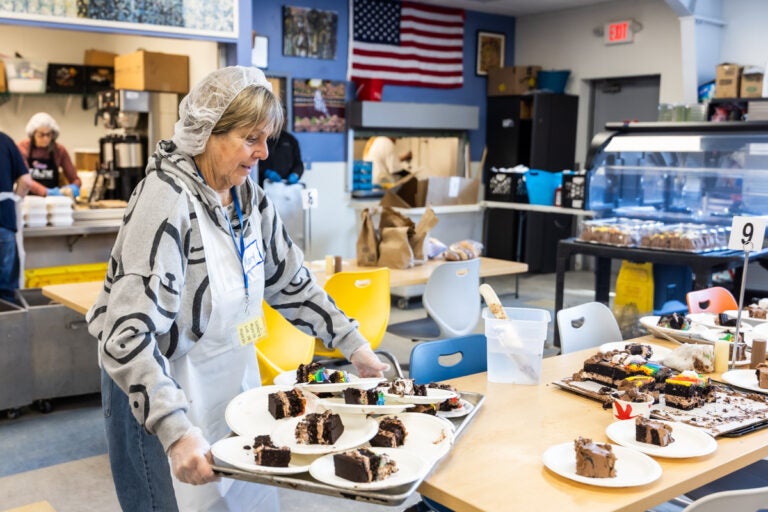
Demand for food assistance in New Jersey is surging, as soup kitchens across the state report a significant increase in patrons seeking meals and support services. The Trenton Area Soup Kitchen, known as TASK, is among those feeling the impact, with a staggering rise in need that coincides with growing poverty levels.
On a recent Thursday, Sharon Horne, a resident of Mercer County, visited TASK for lunch. She enjoyed meatballs, rice, and mixed vegetables, and praised the welcoming atmosphere. “They treat me like family, with respect, and I love them for that,” Horne stated. Currently unemployed, she appreciates the community support available at TASK, which also assists individuals with obtaining IDs and housing.
According to Amy Flynn, the CEO of TASK, the organization has seen a 30% annual increase in food demand since the onset of the COVID-19 pandemic. This year, TASK prepares nearly 13,000 meals per week, having served over 675,000 meals in the last calendar year, the highest in its history. Flynn noted the pervasive issue of food insecurity, emphasizing that hunger affects communities statewide.
Recent statistics reveal that over 1 million residents in New Jersey face food insecurity, including 270,000 children. The situation has worsened as proposed changes to the Supplemental Nutrition Assistance Program (SNAP) and Medicaid are set to take effect, potentially affecting millions of families.
At Cathedral Kitchen in Camden, the annual fund and marketing manager, Anna Marchessault, reported a similar uptick in service demand. During a government shutdown last November, the kitchen served a record number of over 800 individuals in a single day, more than double the pre-pandemic average. Marchessault anticipates a further 15% increase in guests this year as inflation continues to impact low-income households.
The trend is mirrored at St. John’s Soup Kitchen in Newark, which has experienced over a 30% increase in demand over the past three years. Flynn reiterated TASK’s commitment to supporting everyone in need. “If you’re hungry, come in. Our doors are open to anyone, just come in, have a seat, and share a meal,” she said, highlighting the welcoming nature of the kitchen.
TASK operates daily, providing lunch and dinner from Monday to Thursday and lunch on Friday and Saturday. They also offer bagged meals for those unable to dine in and deliver food to senior centers and schools. Their food truck serves meals directly to the community, making access even easier.
Beyond feeding individuals, TASK focuses on holistic support. Roxy White, the dining room monitor, noted the variety of food prepared daily, including chicken, beef, fish, and a full salad bar. “We feed their mind, body, and soul,” she remarked, underlining the center’s commitment to community enrichment.
In addition to meal services, TASK runs a comprehensive 10-week culinary training program. Director of culinary operations, Adam Livow, explained that the program covers everything from kitchen math to cooking techniques, enabling participants to secure employment as chefs upon completion. Former student Shantell Bacon-Jones now works at TASK, sharing her passion for cooking and contributing creatively to the menu.
Supporting organizations like TASK is crucial, especially as they do not rely on government funding. Flynn highlighted the importance of financial donations for sustaining their operations. “We buy in bulk, so financial support lets us stretch those dollars and make that money go further,” she stated.
Additionally, TASK offers essential items like hygiene products, hats, gloves, and scarves, helping individuals offset their living costs. With a strong focus on community, Flynn encouraged volunteers to assist in their mission, stating, “We are meeting a basic human need, and we make sure that people know they are welcome.”
As winter approaches and food insecurity rates climb, New Jersey’s soup kitchens remain steadfast in their efforts to provide critical support to families and individuals in need.